A frantic teenager slips out of a mud-brick house in a remote border town, runs down a dusty road, and walks into a local police station. He isn't reporting a stolen bike or a neighborhood dispute. He's there to tell the police that his mother and four siblings have been held prisoner inside their own home for over twelve years.
This happened in Bara, a town located in the Khyber Pakhtunkhwa province of Pakistan, right near the volatile Afghan border. The raid that followed exposed a horrifying reality. 54-year-old French national Sylvie Yasmina and her five children were found huddled inside a cramped, deteriorating room, showing clear physical signs of long-term abuse.
It sounds like a dark movie script, but it is entirely real. The arrest of her husband, Ahmad Khan, opens up a broader, uncomfortable discussion about how domestic captivity happens, why it goes unnoticed, and what it takes to actually survive it.
The Journey From Australia to a Dilapidated Room in Khyber
Sylvie Yasmina met Ahmad Khan in Australia back in 2003. According to local police reports, Khan was residing in Australia illegally at the time. The couple married and built a life there for more than a decade, having two children.
Everything changed in 2014. Khan relocated the family to his ancestral home in Pakistan. The moment they landed, the trap snapped shut.
Yasmina told investigators she wasn't allowed to live freely from the day they arrived. For over a decade, she was cut off from the outside world. She couldn't meet anyone outside the immediate family. The two older children who traveled from Australia completely missed out on their education. The three younger children, who were born inside Pakistan, were never enrolled in school. They didn't even have a paper trail.
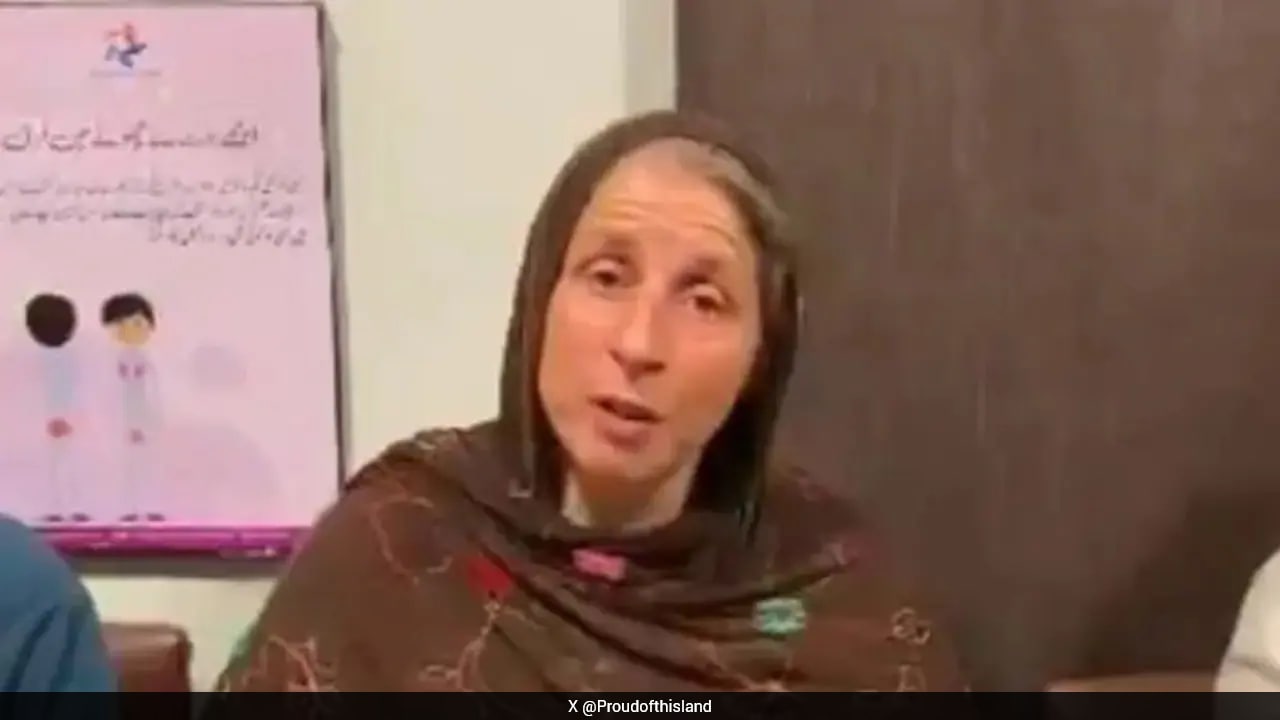
When district police chief Waqar Ahmad led the raid on the property, the scene was grim. The family lived in severe isolation. Yasmina had visible injuries on her face, and police noted bruises across the children's bodies. In an official video released by the Khyber Pakhtunkhwa police, Yasmina spoke in a mix of English and Pashto, stating that her husband was intensely violent and assaulted them on a daily basis.
"We were deprived of our freedom," Yasmina stated to the police. "My husband didn't take care of us the way he should as a husband and the father of my children. He beats us and put pressure on our lives on a daily basis. I felt that my future was already ruined, the future of the children would also be ruined."
Why Domestic Captivity Stays Hidden for Decades
When stories like this break, the public reaction is always the same. How could a woman be trapped for twelve years without anyone noticing? Why didn't she just run away sooner?
These questions show how little people understand about the mechanics of extreme coercive control. Captors don't just use locks and bars. They use a systematic psychological breakdown that makes escape feel completely impossible.
Total Isolation
The first move is always to cut off the support network. By moving Yasmina from Australia to a remote town near the Afghan border, Khan effectively eliminated any chance of her calling friends, family, or the French authorities. She didn't speak the local language fluently at first, she had no money, and she had nowhere to go.
Using Children as Anchors
A mother rarely runs if she has to leave her children behind. Yasmina had five kids inside that house. Escaping alone meant abandoning them to a violent man. Escaping with five children in a conservative, heavily patrolled border region without being caught is logistically impossible without outside help.
Cultural and Geographical Barriers
Bara isn't a bustling metropolis where a woman can blend into a crowd. It's a conservative, tightly-knit area where outsiders stand out instantly. Neighbors often mind their own business or view family disputes as private matters, which creates a wall of silence around domestic abuse.
The Heavy Toll on the Survivors
The physical rescue is just the first step in a very long, painful process. The psychological damage of living in a state of constant fear for twelve years alters how the brain functions.
For the children, the impact is double. The older kids had their development arrested, stripped away from the normal social and educational milestones of teenage life. The three younger children have literally never known a world outside the walls of that dilapidated room. They have no concept of normal societal interactions, school routines, or a life free of violence.
Human rights organizations, including the Aurat Foundation in Pakistan, have pointed out that this case highlights a massive, systemic issue. Domestic violence remains incredibly prevalent in the region, with hundreds of cases reported annually, and thousands more buried under cultural shame and fear. Shabina Ayaz, a director at the foundation, publicly called the rescue a massive wake-up call for both Pakistani society and international diplomatic channels.
Immediate Next Steps for Protection and Repatriation
Right now, Yasmina and her five children are staying at a secure women's shelter in Peshawar. They are receiving basic medical care and protection while the legal system processes her husband.
The immediate logistical priority is getting the family back to France. Because the three youngest children were born in isolation in Pakistan, securing the proper documentation, emergency passports, and citizenship verification requires intense coordination between the local authorities and the French embassy.
If you or someone you know is dealing with an abusive environment or coercive control, do not wait for things to escalate. Reach out to local advocacy groups, legal aid societies, or emergency hotlines immediately. Real intervention requires breaking the silence before the walls close in permanently.