The fluorescent lights of a high school gymnasium in Iowa have a specific, humming sadness to them. It is the sound of community meetings, of wrestling matches, and, every four years, of the American political soul being put through a centrifuge. In 2016 and again in 2020, that hum was drowned out by a gravelly, Brooklyn-accented roar. Bernie Sanders didn't just walk onto those stages; he lunged at them. He wore suits that looked like they had been folded into a glove box and spoke with a frantic urgency that suggested the building—and the country—was currently on fire.
Now, the silence is back. As we drift toward 2028, the "Bernie Lane" stands empty. It is a peculiar stretch of political real estate, paved with student debt, medical bills, and a visceral distrust of the people who run the world. For a decade, Sanders owned this territory by being the ultimate outsider. But an inheritance this large doesn't just pass to the next of kin. It has to be seized.
To understand who might take it, you have to look past the policy papers and into the eyes of a thirty-four-year-old barista named Elena. She isn't a hypothetical data point; she is the millions of voters who feel the current economy is a game of musical chairs where the music stopped years ago. Elena doesn't want a "nuanced approach to incremental reform." She wants someone who shares her anger. She wants someone who isn't afraid to be disliked by the right people.
The struggle for 2028 isn't about who can replicate Bernie’s platform. It’s about who can replicate his soul.
The Ghost of the Vermont Independent
The political vacuum left by a titan is never shaped like the titan. It is jagged. It is messy. To win the lane, a candidate has to solve the "Bernie Paradox": how do you stay an outsider while becoming powerful enough to actually change things?
The establishment often views the progressive wing as a monolith of angry youth, but that misses the texture of the movement. It is a coalition of the dispossessed. It includes the rural farmer who watched his town's main street hollow out and the urban gig worker who pays 60% of their income to a landlord who lives in a different time zone. Sanders spoke to them because he sounded like he was standing in the kitchen with them, yelling at the evening news.
Who has that frequency now?
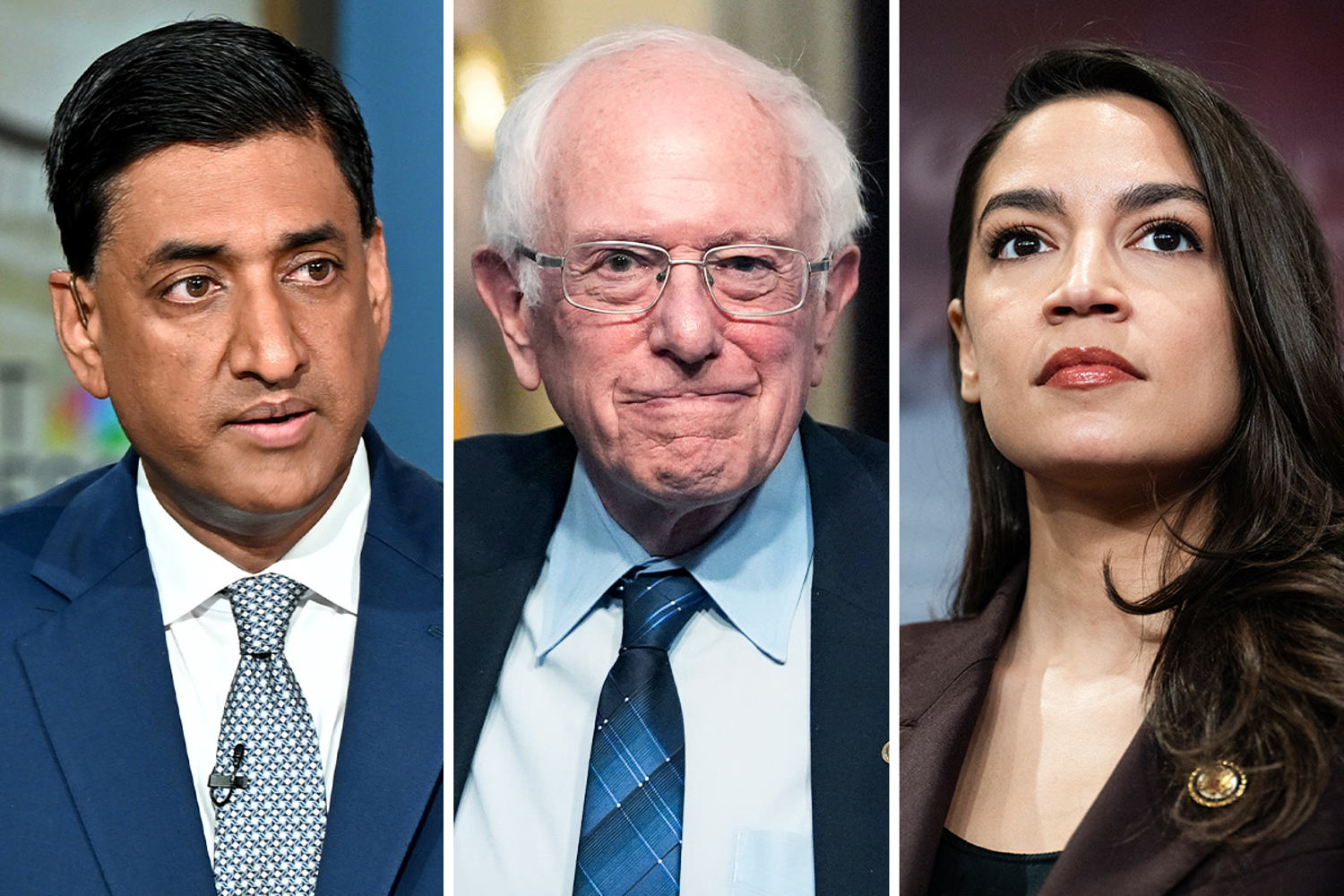
The names whispered in the halls of power are familiar, but they all carry different baggage. There is Alexandria Ocasio-Cortez, the natural heir. She possesses the star power, the digital fluency, and the combativeness. When she speaks, the internet stops. But she faces a challenge Sanders never did: she is a celebrity. The "Bernie Lane" is built on the aesthetic of the underdog. Can a woman who graces the cover of Vogue still convince the steelworker in Pennsylvania that she is one of them? It is a question of optics versus authenticity, a razor-thin line that determines political survival.
Then there are the governors. Josh Shapiro or Gretchen Whitmer might try to pivot left, but they carry the scent of the "system." They are the managers. And the Bernie voter doesn't want a manager. They want a revolutionary who knows how to use a wrench.
The Geography of Discontent
Think about the way a river changes course. It doesn't happen all at once. A little silt builds up here; a bank collapses there. Eventually, the water finds a new path because the old one is blocked.
The American electorate is currently a river looking for a new channel.
The traditional "progressive" label is becoming too small for the energy currently boiling over. We are seeing a weird, chaotic blending of the far left and the populist right. They agree on one thing: the people at the top are lying to you. They agree that the "forever wars" are a drain on the national spirit and that the corporate merger is the enemy of the local grocery store.
If a candidate emerges in 2028 who can bridge this gap—someone who can talk about labor rights without sounding like a sociology professor—they won't just own the Bernie lane. They will own the highway.
Consider the hypothetical rise of a figure like Ro Khanna. He is wealthy, yes, but he talks about "economic patriotism" and bringing factories back to the heartland. He tries to synthesize the high-tech future with the blue-collar past. Or perhaps someone like Summer Lee, who brings the fire of grassroots organizing to the floor of Congress. These figures aren't just running for office; they are auditioning for the role of the person who finally breaks the glass.
But there is a trap. The trap is the "purity test."
Sanders succeeded because his consistency was his superpower. He said the same three things for forty years. If you looked at a clip of him from 1985, he was railing against the "millionaires and billionaires" with the same frantic hand gestures. That kind of stubbornness creates a sense of safety for the voter. You knew what you were getting. In a world of focus-grouped slogans and AI-generated speeches, that kind of tectonic stability is rare.
Anyone trying to step into his shoes will be scrutinized under a microscope. One flip-flop on a trade deal or a single "corporate" fundraiser could end their candidacy before the first snow falls in New Hampshire.
The Invisible Stakes of the Grocery Store Aisle
The struggle for the future of the left isn't happening in Washington. It is happening in the aisle of a Kroger in Ohio, where a father is looking at the price of eggs and feeling a cold, sharp spike of panic.
That panic is the fuel of the movement. When the competitor articles talk about "delegates" and "polling data," they are looking at the scoreboard instead of the game. The game is the feeling of being forgotten.
The 2028 cycle will be defined by whether the Democratic party can find a vessel for that panic that doesn't feel like a lecture. For too long, the "establishment" has talked down to its base, explaining why their demands for universal healthcare or radical climate action are "unrealistic."
Sanders’ great gift was that he never called anyone’s dreams unrealistic. He called the current reality "immoral."
That shift in vocabulary is everything. It moves the conversation from the ledger to the pulpit. It makes the political personal. If the next leader of this movement can't make the voter feel like their struggle is a moral crusade, they will fail. They will just be another politician in a suit that actually fits.
The Sound of the Next Roar
We are currently in the "quiet period." It is the moment in the movie after the old king has died and before the pretenders have drawn their swords.
The people who will decide the 2028 primary aren't the donors in the Hamptons. They are the people who still have "Bernie 2016" stickers fading on the bumpers of their 2008 Subarus. They are waiting. They are watching for a sign of life.
They don't want a "new and improved" version of the movement. They want the raw, unpolished truth. They want someone who will stand on a flatbed truck in the rain and tell them that they aren't crazy for thinking the world is tilted against them.
The person who wins won't be the one with the best website or the most polished stump speech. It will be the person who can stand in that Iowa gymnasium, look at the Elenas of the world, and make them believe, if only for an hour, that the hum of the lights isn't a funeral dirge for their dreams.
It is the sound of a motor starting up.
Politics is rarely about the best plan. It is almost always about the best story. And right now, the story of the American worker is a tragedy looking for a third act. The suit is on the hanger. The microphone is live. The only question left is who has a voice loud enough to crack the silence.
The stage is set, the seats are filling, and the air is thick with the scent of floor wax and anticipation. The next roar is coming. You can almost hear it.