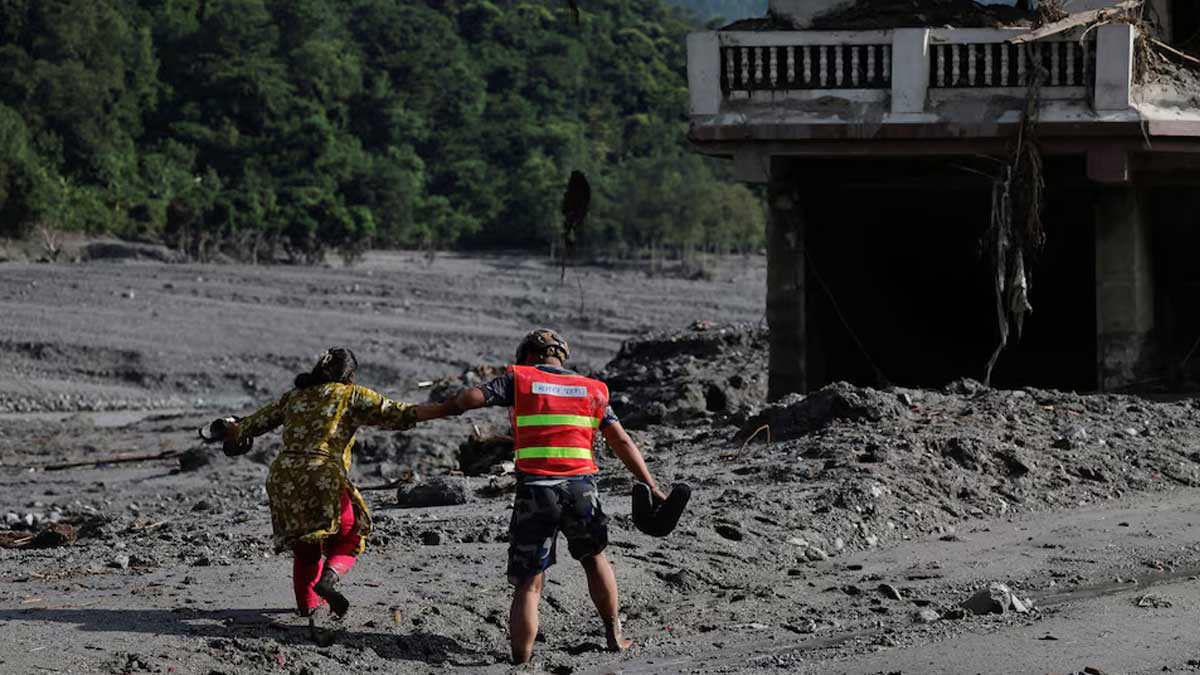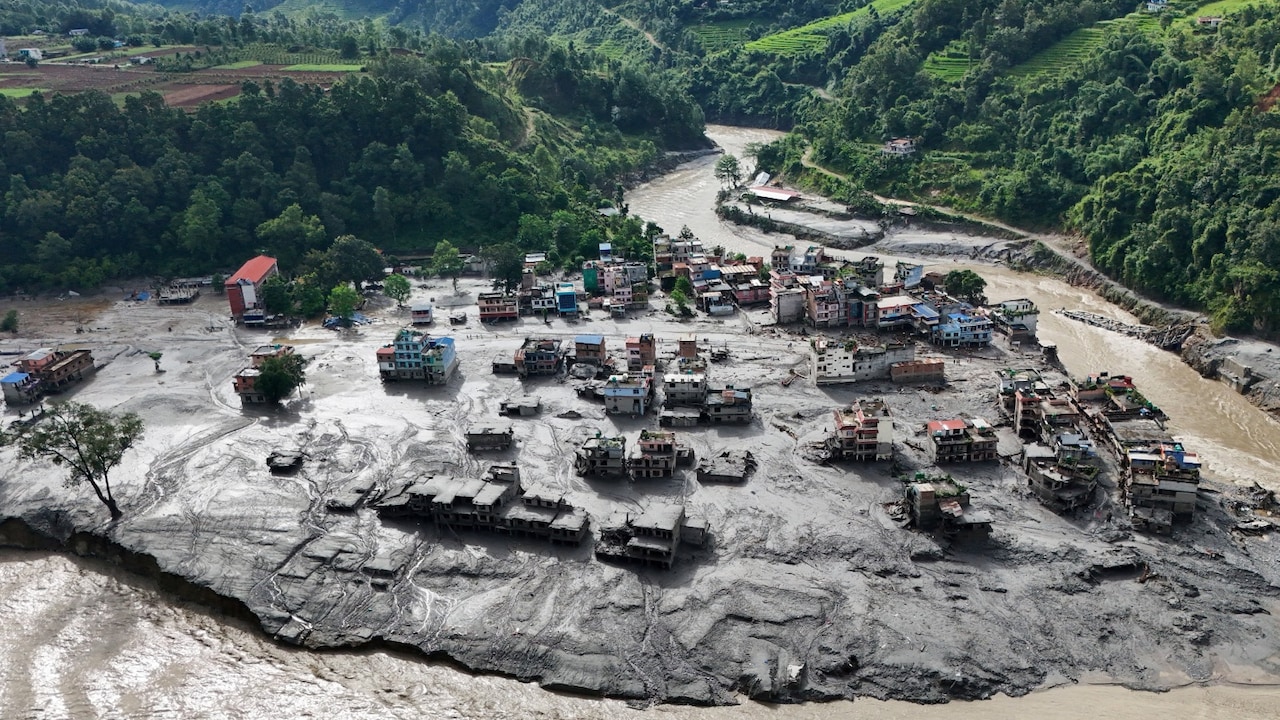
When a wall of water tears through a Himalayan valley, everything changes in seconds. A catastrophic flash flood along the Bhotekoshi and Trishuli river corridors recently caught hundreds of travellers, pilgrims, and locals off guard, turning trekking routes into disaster zones. Amid the frantic search for survivors, diplomatic channels have kicked into high gear.
Indian Ambassador to Nepal Naveen Srivastava visited Tribhuvan International Airport to meet evacuated citizens and oversee ongoing operations. Behind the diplomatic presence lies a massive, gritty ground reality. Thousands of security personnel, including nearly 2,400 troops from the Nepal Army, are combing through mud, debris, and washed-out roads to locate missing individuals.
The Scale of the Crisis on the Ground
Getting clear numbers during a fast-moving disaster is messy. The preliminary data coming out of districts like Rasuwa, Dhading, and Nuwakot paints a grim picture. The death toll has climbed past five hundred, while rescue boards and local police continue tracking hundreds of unaccounted-for foreign nationals and locals.
Many of those caught in the deluge were pilgrims heading toward the Tibet border for the Kailash Mansarovar Yatra, alongside independent trekkers. When the sudden surge hit, it wiped out bridges, roads, and hydropower projects, leaving people stranded on isolated patches of high ground with zero mobile connectivity.
Communication lines are down. Landslides have blocked alternate escape routes. That is precisely why military helicopters and specialized drone teams are the only lifeline for remote pockets.
Joint Diplomatic and Military Coordination
Coordinating cross-border rescue work requires intense, real-time communication between New Delhi and Kathmandu. Indian authorities have established round-the-clock helpline numbers to assist anxious families back home while working closely with the Nepal Army, Armed Police Force, and civilian disaster management units.
Ambassador Srivastava's visit to the airport to bid farewell to groups boarding flights home—such as the recent IndiGo evacuation service—highlights the immediate priority: pulling survivors out of immediate danger and getting them medical care. Field hospitals and military training centers near the affected corridors have been repurposed into triage units, handling trauma cases and severe injuries airlifted directly from the disaster zones.
What Travelers and Families Need to Know Right Now
If you are trying to reach someone traveling through central or northern Nepal, standard communication channels might fail completely. Local authorities urge families to rely exclusively on official government helplines rather than unverified social media reports.
The Nepal Tourism Board and security forces are updating verification lists as evacuation flights touch down in Kathmandu. If you or someone you know is planning travel to Himalayan river regions during active monsoon or volatile weather seasons, always check local disaster authority warnings. Rivers like the Bhotekoshi can swell dangerously within minutes due to upstream blockages or heavy cloudbursts.
Rescue crews are battling not just terrain, but the constant threat of secondary flooding caused by newly formed debris dams. Operations will continue around the clock until every accounted-for lead is exhausted.