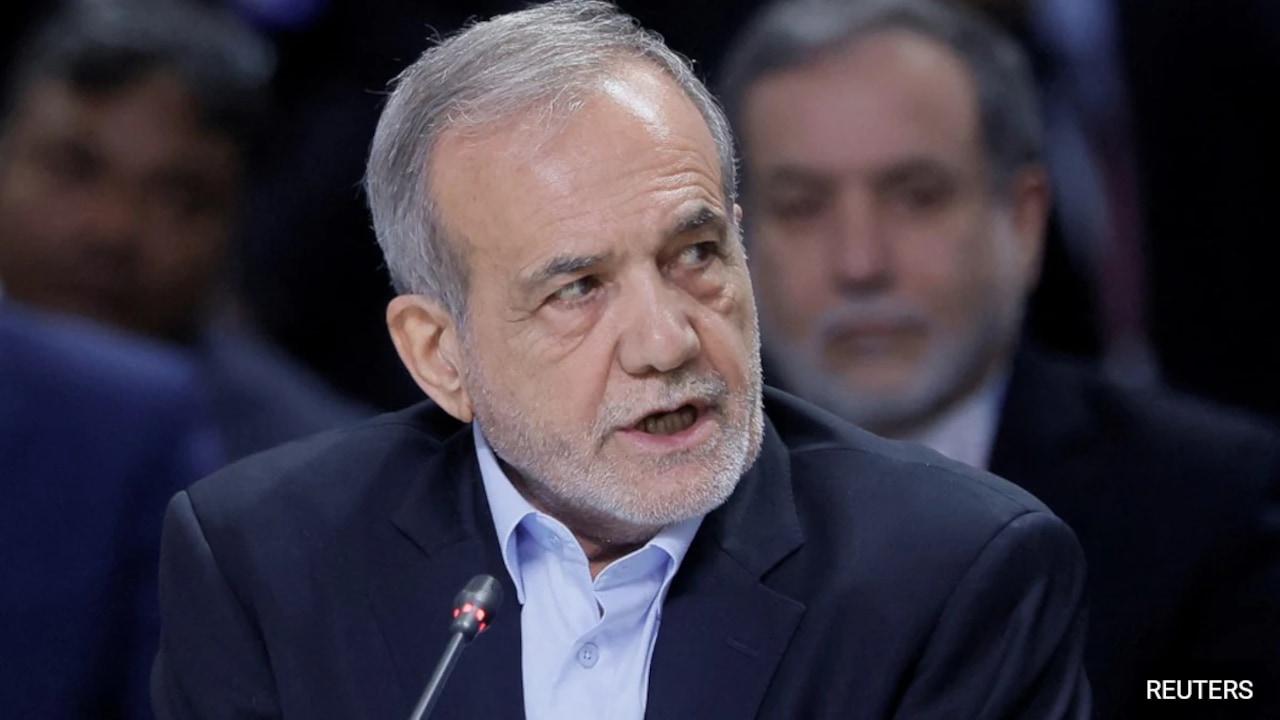
Iranian President Masoud Pezeshkian has made it clear that diplomatic engagement with Washington is a non-starter while military intimidation and maximalist economic sanctions remain the default instruments of American foreign policy. Speaking against a backdrop of ongoing maritime friction in the Strait of Hormuz and the fallout from joint US-Israeli military campaigns, Pezeshkian categorized ongoing calls for dialogue as mere coercion rather than genuine diplomacy. This posture exposes the fundamental structural flaw defining contemporary statecraft between the two adversaries. Both capitals are caught in a zero-sum loop where domestic political imperatives mandate hardline posturing, rendering diplomatic compromise practically impossible.
To understand why these negotiations stall repeatedly, one must examine the mechanics of maximum pressure strategies. When an administration applies sweeping economic blockades and simultaneous military threats, it fundamentally alters the domestic calculus of the targeted regime. In Tehran, entering talks under the immediate shadow of armed threat is viewed not as a pathway to resolution, but as an admission of surrender that invites further destabilization.
History demonstrates that coercive diplomacy rarely yields voluntary capitulation from sovereign states with deeply entrenched security structures. Instead, it triggers a defensive crouch. Domestic hardliners utilize external threats to marginalize moderate factions, arguing that any concession made under duress will simply invite additional demands. Pezeshkian’s recent declarations are shaped by this internal political reality. He cannot afford to appear weak to domestic constituencies who view US security guarantees with profound skepticism.
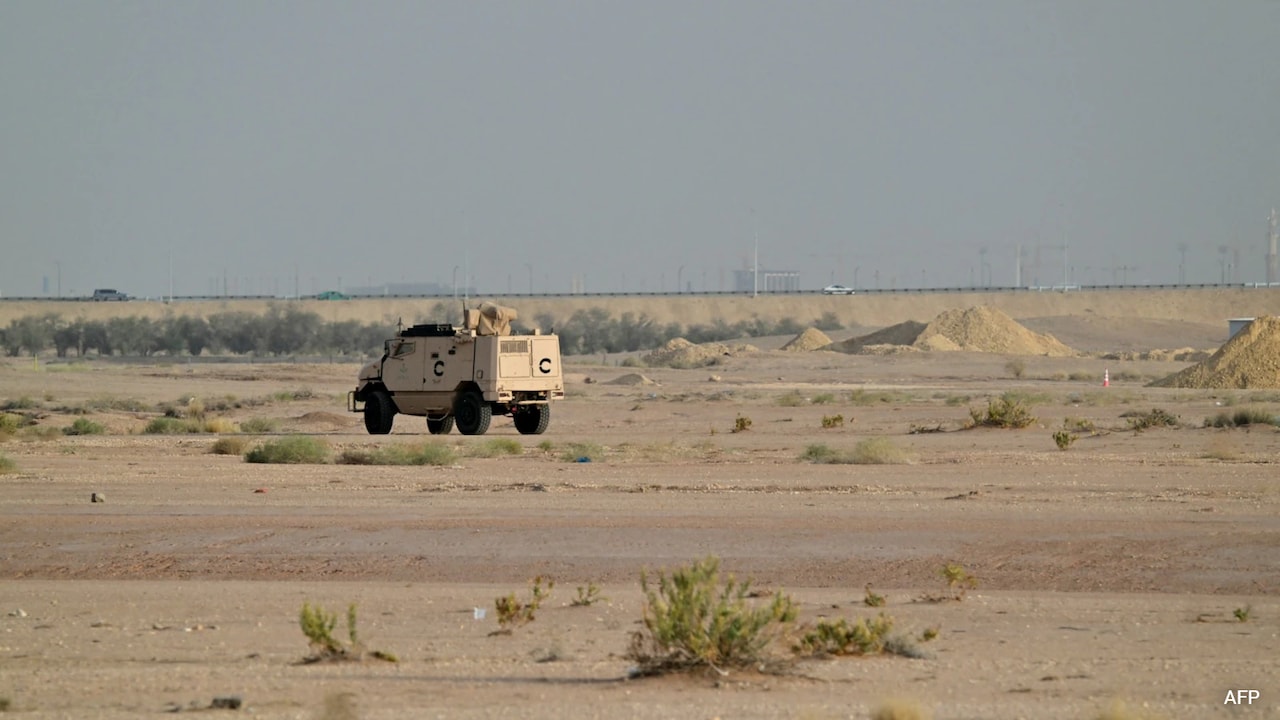
The economic dimension compounds this paralysis. Following months of direct military exchanges and tightened maritime restrictions, energy flows through the Persian Gulf have experienced severe disruptions, sending shockwaves through global markets. Washington maintains that economic isolation will eventually compel Tehran to compromise on regional proxy networks and nuclear parameters. Yet, Tehran has responded by pivoting toward land-based trade routes and strengthening alternative diplomatic alignments within regional frameworks, blunting the intended impact of isolation.
Consider a hypothetical commercial negotiation where one party holds a loaded weapon to the other’s head while demanding a signature on a contract. The resulting compliance, if achieved at all, is transient and toxic, built entirely on resentment and the immediate impulse for self-preservation. State-level diplomacy operates on the same psychological and strategic principles. True negotiation requires an environment where both sides can claim a measure of security without losing face. By demanding unconditional submission masked as dialogue, Washington ensures that Tehran’s leadership will choose defiance over compromise every single time.
As long as American strategy relies on simultaneous escalation and hollow invitations to talk, the diplomatic track will remain completely frozen. Pezeshkian’s rejection of talks under duress is not merely a tactical opening gambit; it is a structural boundary imposed by the realities of regional warfare and domestic survival. Until policymakers in Washington recognize that coercion and genuine negotiation are mutually exclusive, the cycle of crisis in the Persian Gulf will continue to grind forward without resolution.
Iran's President rules out talks under US pressure, warns of regional fallout
This video provides primary footage and analysis of Masoud Pezeshkian addressing international bodies regarding US threats and the preconditions for regional diplomacy.