Crude oil prices just slid below eighty dollars a barrel for the first time since the winter breakout of the war in the Middle East. Speculators are celebrating. Wall Street is breathing a collective sigh of relief as equities rally from Tokyo to New York. The catalyst for this sudden market optimism is the Islamabad Memorandum of Understanding, a sudden fourteen-point framework signed by Donald Trump and Iranian President Masoud Pezeshkian. It promises a sixty-day window to negotiate a permanent settlement, de-escalate hostilities, and systematically reopen the blocked Strait of Hormuz.
But the energy market is buying a phantom. The apparent truce between Washington and Tehran is not an end to the conflict, but a tactical intermission engineered for short-term domestic survival on both sides. Beneath the surface of this diplomatic breakthrough lies a volatile mix of depleted global oil stockpiles, deep structural distrust, and upcoming political elections that will almost certainly trigger a second, more destructive wave of supply disruptions before the year ends.
The Paper Thin Logistics of the Islamabad Accord
Traders are pricing in a permanent resolution to a war that has barely paused. When the United States and Israel engaged in direct military actions against Iranian infrastructure in late February, Brent crude surged past one hundred and eighteen dollars. The subsequent closure of the Strait of Hormuz choked off twenty-five percent of seaborne global oil transport, draining inventories across Asia and Europe. The Islamabad agreement was designed to reverse this strangulation, yet its foundational pillars are remarkably hollow.
The document defers every critical issue. Rather than solving the core disputes regarding Iran’s nuclear program or its regional proxy network, the agreement merely establishes a temporary clock. It buys sixty days of breathing room. The fragility of this setup became obvious within forty-eight hours of the signing ceremony, when Washington abruptly canceled Vice President JD Vance’s scheduled follow-up trip to Switzerland, citing unpredictable logistics and security concerns.
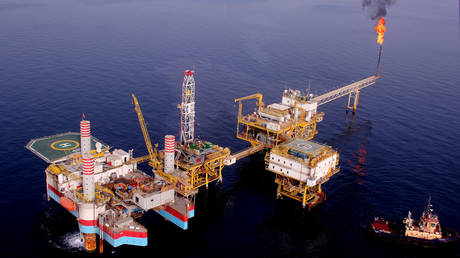
The physical reopening of the Strait of Hormuz is similarly deceptive. While the deal permits tanker traffic to resume, the actual flow of oil is bottlenecked by weeks of administrative chaos and military suspicion. Insurance syndicates in London are not rushing to lower premiums for vessels entering a body of water that was actively mined less than a month ago. Tankers that were trapped inside the Persian Gulf during the peak of the fighting are trickling out, creating a temporary bump in supply that algorithmic trading desks have mistaken for a structural surplus.
Trump and Pezeshkian Double Game
To understand why this peace deal will fail, one must examine the immediate pressures forcing both leaders to the table. For Donald Trump, the calculation is entirely driven by domestic economic anxiety ahead of the November midterm elections. Months of triple-digit oil prices have driven Eurozone and American inflation to heights that threaten the political survival of his allies. The Federal Reserve has signaled its intent to keep interest rates elevated to combat this energy-driven inflation shock, a move that risks tipping the domestic economy into a severe recession.
Trump needed a quick drop in retail gasoline prices. He achieved it by signing a framework that gives him a political talking point while explicitly retaining the right to resume military action. His public rhetoric has been telling. On the same day the memorandum was publicized, he openly reminded audiences that the United States would resume bombing campaigns if Tehran deviated from the loose framework by a fraction. This is not the language of a durable peace treaty. It is an ultimatum masquerading as diplomacy.
On the other side of the table, Masoud Pezeshkian is playing a game of economic preservation. Four months of intensive blockade and targeted strikes destroyed key naval assets and pushed the internal Iranian economy to the brink of collapse. Tehran desperately needed to monetize its stored crude to stabilize its currency and quiet domestic dissent. By agreeing to a temporary pause, Iran secures a window to export millions of barrels of accumulated floating inventory, refilling its financial reserves before the next inevitable standoff.
Iranian diplomats have openly acknowledged this total absence of good faith. Statements from the deputy foreign ministry explicitly declare that Tehran maintains zero trust in Washington’s long-term commitments. They are using the sixty days to restock, regroup, and reassess.
The Dangerous Exhaustion of Global Commercial Inventories
The financial community is treating the drop in Brent crude as a signal that the global commodity bottleneck has cleared. This is an analytical error. The true cost of the four-month war is buried in the balance sheets of commercial refiners across the globe.
During the shutdown of the Strait of Hormuz, global energy markets did not simply stop consuming oil. They ran on survival mode. Refiners in the northern hemisphere drew down their physical stockpiles to critically low levels to keep factories and transportation networks functioning. Stock balances for crude, diesel, and petrochemical feedstocks have been systematically depleted.
Global Crude Oil Inventory Levels (Early 2026 vs June 2026)
[####################] Pre-Conflict Baseline (100%)
[##########          ] Current Depleted Reserves (50%)
This depletion creates a highly dangerous market mechanism. As the northern hemisphere enters the peak demand period of the third quarter, refiners are forced to buy oil not just to satisfy current consumer demand, but to rebuild their evaporated structural reserves. This dual-pressure demand curve means that any interruption in the current, fragile supply chain will cause an immediate, exponential spike in prices. The market has no cushion left.
Institutional investors who are shorting crude down to sixty dollars a barrel are assuming that a normalization of trade will naturally yield a massive surplus. They are ignoring the reality that the global energy complex is currently operating with a dangerously dry tank. The initial phase of any supply return will be entirely absorbed by inventory replenishment, keeping the actual floor for Brent crude much higher than Wall Street’s current models suggest.
Why the November Elections Will Re-Ignite the War
The true expiration date of the Islamabad Memorandum of Understanding is November 4, 2026. Geopolitical strategists tracking the region have noted that the sixty-day window outlined in the deal can be extended through the autumn, keeping a superficial peace intact just long enough for American voters to head to the ballot boxes.
Once the midterm elections conclude, the political necessity for American restraint evaporates. If the current administration secures its congressional goals, Trump will possess a clear window until the end of 2027 to escalate demands and force Tehran into a much more restrictive agreement. If the elections go poorly, the administration may use a return to aggressive foreign policy to regain domestic leverage.
Furthermore, the fundamental sticking points of the conflict remain entirely untouched by the current diplomatic framework. Iran's enrichment of uranium continues to sit near weapons-grade thresholds, a reality that Israel views as an existential threat regardless of what temporary memorandums Washington signs. The regional proxy forces that initiated the broader maritime conflict have not been disarmed or integrated into this truce.
A hypothetical scenario demonstrates the fragility of this setup. If a single unsanctioned drone strike from a regional militia hits a commercial vessel in the Red Sea or the Persian Gulf next month, the entire Islamabad framework collapses instantly. Neither Washington nor Tehran has the absolute control required to prevent such an event, yet both are politically committed to retaliate brutally if it occurs.
The Mirage of Eighty Dollar Brent
The current market pricing of Brent crude at seventy-seven dollars is an unstable equilibrium built on hope rather than data. It represents a best-case scenario where every actor behaves perfectly, no weapons are fired, and logistical bottlenecks disappear overnight.
Independent modeling of global supply metrics shows that even with a partial resumption of Iranian exports, the structural deficit caused by months of war justifies an equilibrium price closer to ninety dollars a barrel for the upcoming quarter. The market has run too far ahead of reality. It has priced in a comprehensive, durable peace when all that has been achieved is a highly volatile ceasefire designed to last until election day.
Corporate buyers and industrial energy consumers who delay hedging their fuel costs in the expectation of fifty-dollar oil are taking an extraordinary gamble. They are trusting the permanence of a document that was signed out of mutual desperation rather than mutual agreement. When the political calendar flips and the structural realities of depleted inventories collide with the unresolved nuclear ambitions of Tehran, the return of triple-digit crude will be swift and unforgiving.