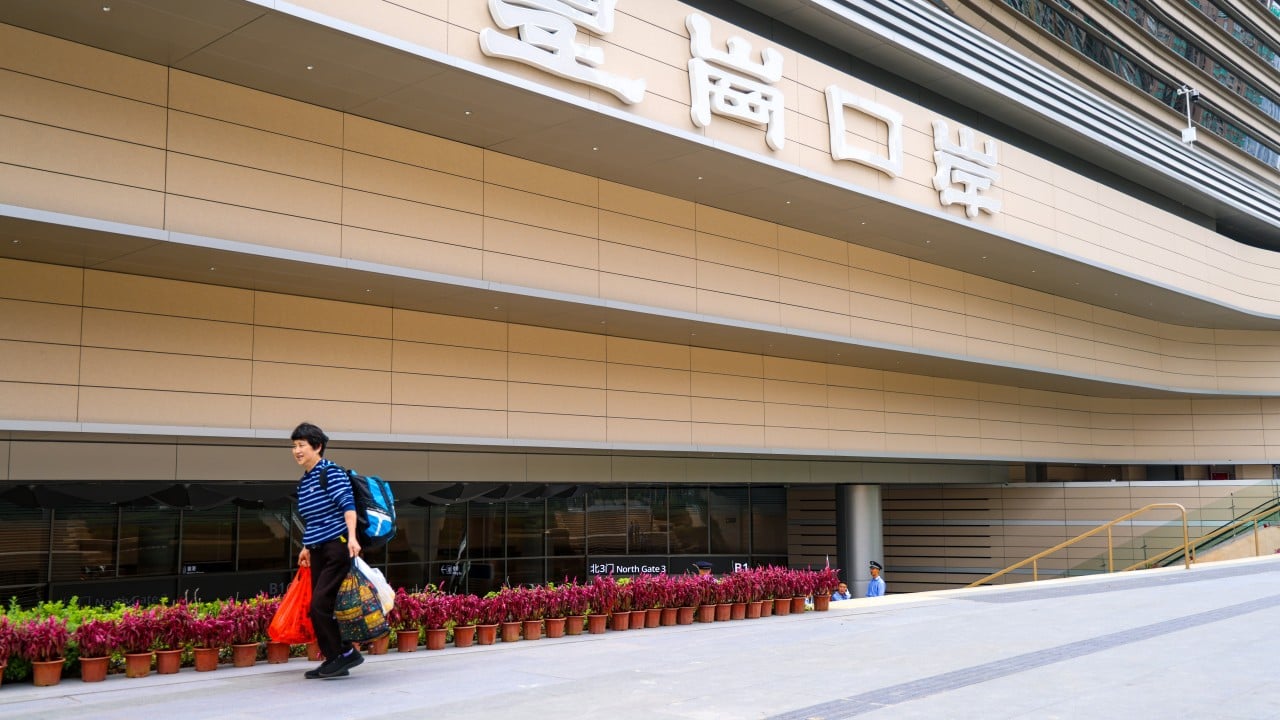
Every analyst with a desk in Central and a spreadsheet full of wishful thinking is currently pitching the same lazy narrative. The reopening and modernization of Huanggang Port is supposedly going to spark a massive retail renaissance right at the Shenzhen border. Commuters stream through, drop their bags, and empty their wallets on cross-border trinkets, cosmetics, and luxury goods before catching the subway into Futian.
It is a fairy tale built by landlords looking to clear out vacant commercial inventory and local tourism boards desperate for positive headlines.
I have watched companies blow millions chasing foot traffic assumptions near customs checkpoints for over a decade. I have sat through boardrooms where executives pointed at daily commuter headcounts as if every single person crossing a customs gate carried the exact same discretionary spending power as a private banking client. Foot traffic is a vanity metric. What matters is velocity, friction, and intent. And right now, the infrastructure being built at Huanggang Port is engineered to do one thing extremely well: get people out of the terminal and onto high-speed transit as fast as humanly possible.
Border retail fails because it treats a transit zone like a shopping mall. People standing in immigration queues do not want an immersive retail experience. They want to clear customs, check their messages, and get to their meetings or their apartments without hauling a bag of retail impulse purchases through turnstiles and security scanners.
To understand why the conventional wisdom about Huanggang is entirely backward, you have to look past the architectural renderings and examine how consumer behavior has shifted permanently over the last five years.
The Foot Traffic Fallacy
The core argument for border retail runs on simple arithmetic. Millions of passengers pass through Huanggang annually. Even if a tiny fraction of them spend fifty bucks at a terminal storefront, the total revenue adds up to a tidy sum.
This is amateur math.
I've seen developers build entire ground-floor shopping strips adjacent to major transit hubs based on this exact head-count logic. Six months later, the tenants are breaking leases and the corridors are ghost towns. Commuters are not tourists on holiday. They are functional travelers. Their psychological state at a port of entry is characterized by mild anxiety, time pressure, and a singular focus on arrival.
When you step off a bus or clear an e-channel gate at Huanggang, your brain is not wired to browse artisanal coffee beans or pick up mid-tier skincare lines. You are calculating whether you will make your dinner reservation in Nanshan or whether your phone has roaming data enabled.
Furthermore, the modern cross-border shopper is structurally different from the shopper of a decade ago. The arbitrage that once fueled massive weekend shopping sprees in Hong Kong or Shenzhen has matured. Supply chains are flattened. E-commerce platforms deliver bonded goods directly to doorsteps within twenty-four hours, often at a lower price point than physical storefronts weighed down by prime port-adjacent commercial rents.
Why would anyone lug heavy retail goods through a customs checkpoint when they can tap a screen on their phone during the commute and have the exact same product waiting for them at their residential lobby?
The Real Friction Points Nobody Mentions
If you ask a commercial leasing agent about Huanggang Port, they will talk about smart customs clearance, facial recognition gates, and streamlined immigration processes. They view these technological upgrades as catalysts for retail.
They have it completely backwards.
Faster clearance means shorter dwell times. Shorter dwell times mean less opportunity for impulse browsing. When immigration takes forty minutes, people mill around the concourse, look at storefronts, and buy things out of pure boredom. When clearance takes ninety seconds, passengers are propelled onto the MTR or taxi queue before they even realize they have crossed the boundary.
Speed is the enemy of the impulse purchase.
The modernization of Huanggang Port is designed for frictionless transit, not lingering. The municipal planners want throughput. Every square meter dedicated to retail shops in a modern port terminal is a compromise on pedestrian flow efficiency. As urban density increases and cross-border integration deepens, the economic imperative for these ports is mobility, not commerce.
Admitting this truth hurts if you hold commercial paper in the district. But ignoring it is financial suicide.
What Smart Capital Is Doing Instead
While retail landlords are crossing their fingers and hoping commuters suddenly develop a passion for buying souvenirs next to the baggage scanners, smart capital is moving three blocks inland.
The money is not being made at the port threshold. It is being made where people actually stop moving.
Look at the transit-oriented developments situated two or three stops deep into Shenzhen's core metro network. That is where dwell time spikes. That is where travelers drop their luggage, decompress, and transition back into consumer mode. Trying to capture retail spend at the exact point of customs clearance is like trying to sell high-end dining inside a highway toll booth.
If you want to invest in the Shenzhen-Hong Kong corridor, stop looking at the border gates. Look at the mixed-use residential and commercial hubs surrounding transit nodes where commuters actually reside and unwind.
Huanggang Port will be a marvel of engineering. It will process crowds with unprecedented efficiency. It will move millions of people across the boundary faster than ever before.
And the retail shops built to catch them will sit empty, waiting for a customer who is already halfway home.