Brick remembers.
Stone holds an inventory of every winter freeze, every heavy footfall, every whispered secret that echoed through cedar-framed hallways long before modern insulation or smart thermostats tried to sanitize the domestic experience. When a house stands for a century in Greenwich, Connecticut, it develops a personality. It resists casual interference. It demands a specific kind of reverence, a stubborn willingness to listen to what the architecture wants to be rather than forcing it into a contemporary mold.
Consider the arithmetic of aspiration. In the high-stakes theater of ultra-luxury real estate, numbers usually speak in cold, flat tones. Millions change hands. Square footage is tallied like grain in a silo. But behind the cold spreadsheets lies an obsessive human narrative. A story about a $31.4 million acquisition that many might have called complete, only for a visionary owner to look at the sprawling estate and see unfinished sentences everywhere.
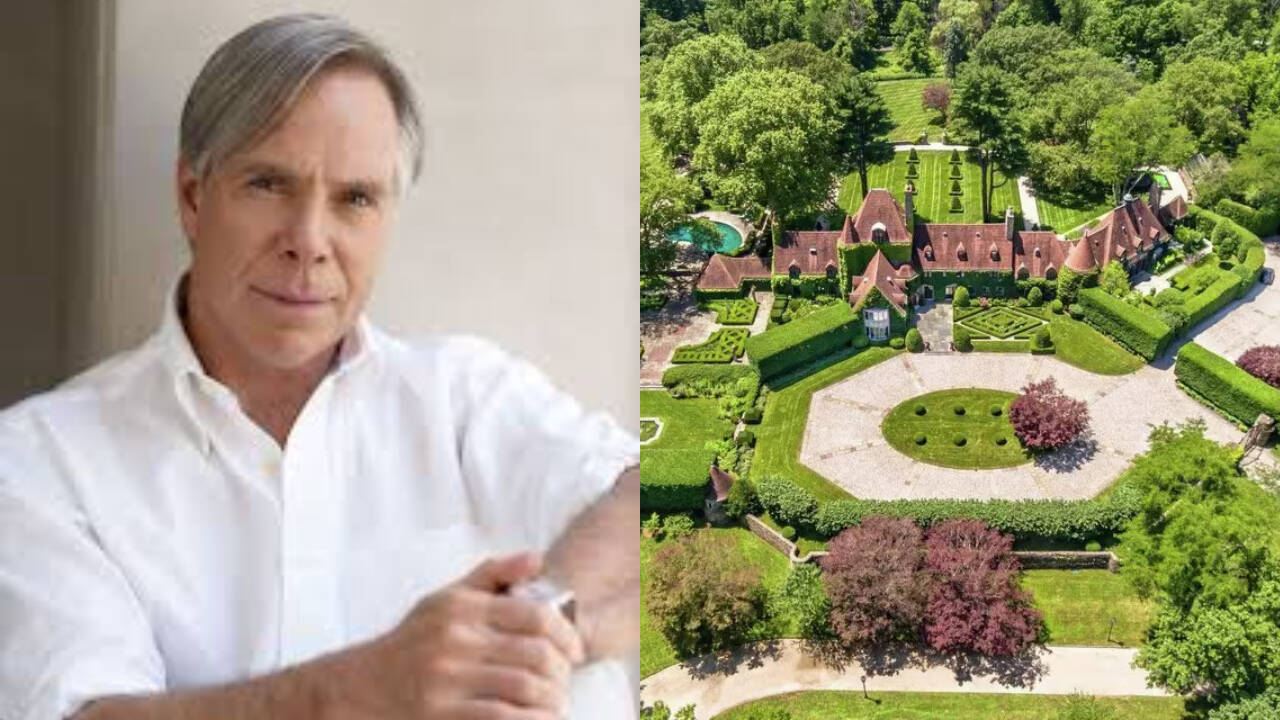
Tommy Hilfiger understands iconography. For decades, he built an empire on a very specific interpretation of American heritage—preppy, polished, rooted in a nostalgic daydream of Ivy League courtyards and coastal ease. When he turned his legendary design eye toward physical architecture, the same philosophy applied. You do not erase history; you sharpen its focus. You clean the lens so the past can be seen with absolute clarity.
The estate in Greenwich was not merely a house. It was a sprawling canvas of historic proportions, sitting quietly behind iron gates, shrouded by mature trees that had witnessed decades of changing fortunes. When it traded hands at that initial multi-million-dollar figure, the market blinked. To the casual observer, the property was already a finished masterpiece. It had walls, roofs, manicured lawns, and all the square footage a family could conceivably require for several lifetimes.
Yet, perfection is an illusion, and luxury without soul is just expensive emptiness.
Restoration is a slow violence. It requires tearing away layers of well-meaning mistakes made by previous generations—cheap drywall, awkward kitchen layouts from the nineteen-eighties, paint colors chosen in transient moments of fleeting taste. It is an archaeological dig conducted with crowbars and fine-grit sandpaper. Every beam exposed is a negotiation with time.
Imagine walking through the dust-choked rooms during the height of the transformation. Sunlight cuts through the haze, illuminating floating particles of plaster and centuries-old oak. The floorboards groan underfoot, not with age alone, but with the kinetic energy of craftspeople hand-scraping finishes, matching mortar ratios to nineteenth-century specifications, and sourcing antique hardware that matches the weight and patina of the original fixtures. This is not renovation. This is resurrection.
The financial gamble was staggering. Pouring more capital into an already elite asset feels like painting gold leaf onto a diamond. Skeptics watch from the sidelines, whispering about over-improvement, about throwing money into a gilded pit that the market might refuse to acknowledge. Real estate lore is littered with the cautionary tales of ambitious owners who over-built, over-spent, and ultimately surrendered to the harsh mathematics of depreciation.
Except, art defies mathematics.
When the estate finally emerged from its chrysalis, it was transformed. The property commanded a staggering $45 million when it hit the market and found its buyer. That leap—from thirty-one point four million to forty-five million—is more than a financial transaction. It is validation. It proves that authentic craftsmanship, executed with uncompromising vision, carries an intrinsic value that transcends standard comps and algorithmic valuations.
Buyers at this stratosphere are not shopping for shelter. They are shopping for a legacy. They are buying an immediate connection to a lifestyle that feels rooted, permanent, and untouchable. They want a home that feels like it has always been there, even while offering every modern luxury hidden seamlessly behind wainscoting and custom millwork.
The new owner did not just purchase a collection of bedrooms and bathrooms on sprawling acreage. They bought a story already written, edited, and bound in leather. They bought the peace of mind that comes from knowing every single potential flaw has been hunted down and eradicated by master artisans who treat wood and stone as living entities.
In a world addicted to fast turnover, instant upgrades, and disposable design, there is something radical about patience on this scale. It took time. It took capital. It took a tolerance for ambiguity and endless details that most people would find maddening.
The trees outside continue to drop their leaves in autumn. The long gravel driveway still crunches under the tires of arriving cars, just as it did generations ago. But the energy of the place has shifted. It is sharper now, cleaner, brighter, yet anchored just as deeply in the Connecticut soil.
Houses do not care who owns them, not really. They outlast us all, weathering the seasons long after our names have faded from the deeds. But every once in a while, a property gets a second act. It gets a caretaker who listens to the bones of the structure and refuses to compromise. And when the dust finally settles, and the new keys are handed over, the old bricks seem to breathe a little easier in the sun.