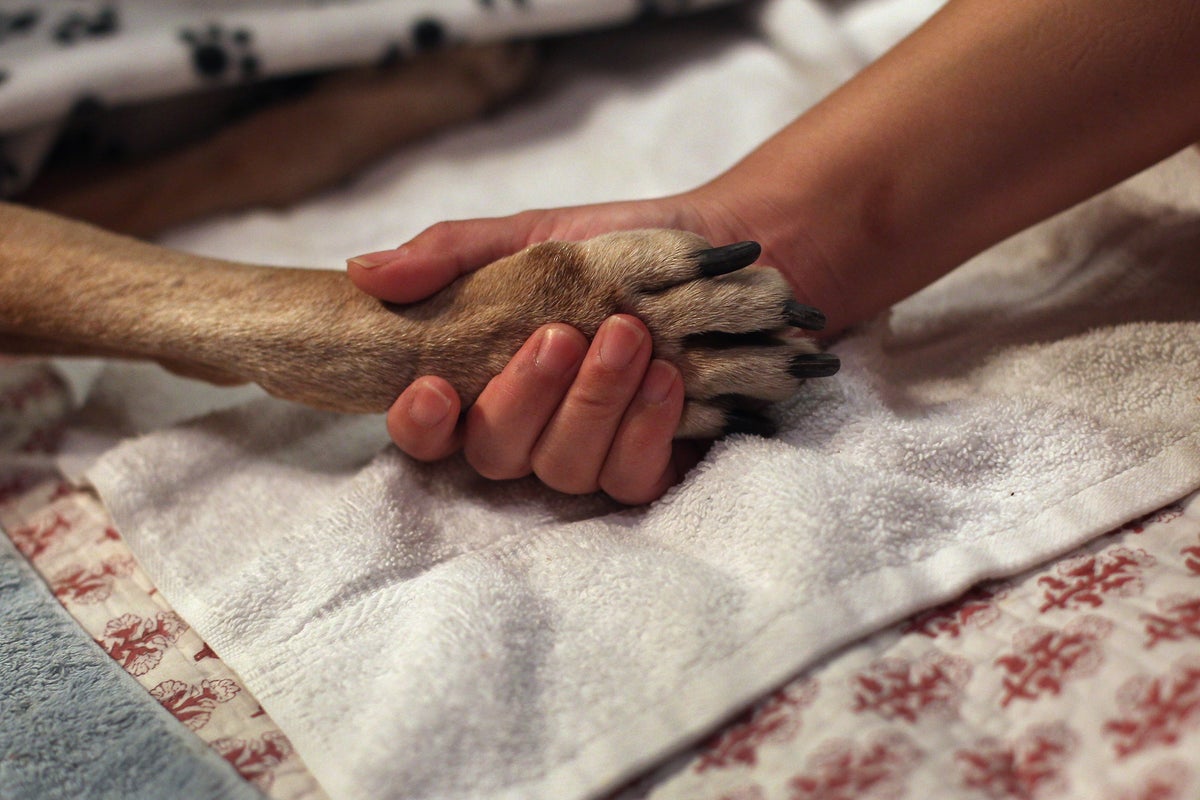
Death isn't a medical failure. We’ve been conditioned to think that if someone dies, the system broke or the doctors didn't try hard enough. That's a lie. Hospice nurses see the truth every day in the quietest rooms of our neighborhoods. They're the ones standing in the gap between the frantic clinical world and the inevitable reality of human mortality. If you want to know how to actually live, you shouldn't look at a self-help guru or a billionaire’s morning routine. You should talk to a nurse who has sat with a thousand people taking their final breath.
Most of us spend our entire lives sprinting away from the idea of the end. We treat aging like a disease and death like a taboo. But by bringing end-of-life care into the open, hospice professionals aren't just making the "end" better. They’re providing a blueprint for the "now." They see the regrets that actually matter and the fears that turn out to be hollow.
The Myth of the Clinical Death
We’ve sanitized the exit. In the mid-20th century, death moved from the family bedroom to the sterile hospital ward. We traded intimacy for machines. Hospice care is the radical movement to take it back. It’s not about giving up. It's about shifting the goal from "length of life" to "quality of presence."
When a hospice nurse enters a home, they aren't just checking vitals. They're managing a complex emotional ecosystem. They know that pain isn't just physical. There’s "total pain," a concept pioneered by Cicely Saunders, the founder of the modern hospice movement. Total pain includes the spiritual, social, and psychological distress that no amount of morphine can fix on its own.
You’ll hear people say hospice is where you go to die. That’s wrong. Hospice is where you go to live as much as possible until you do.
What the Dying Actually Regret
Hospice nurses hear the unfiltered truth. When the distractions of career, status, and ego fall away, the narrative changes. You don’t hear people wishing they'd spent more time at the office. You don't hear about the car they didn't buy.
Instead, the regrets are almost always about courage. The courage to express feelings. The courage to stay in touch with friends. The courage to let oneself be happier. Nurses often note that the hardest deaths aren't the ones following a long illness, but the ones where the person is still holding onto a grudge or a secret.
The lesson here is simple but brutal. If there’s something you need to say, say it now. If there’s someone you need to forgive, do it today. Waiting for a "better time" is a luxury you aren't guaranteed. Hospice workers see the heavy weight of the "unsaid," and it’s a burden they desperately want the living to put down.
Breaking the Silence Around the Transition
The actual process of dying is misunderstood. We see it in movies as a dramatic, gasping moment or a peaceful sleep that happens in seconds. Real life is different. It’s a physiological process, much like birth. The body knows how to shut down.
Hospice nurses act as translators for this process. They explain the "death rattle"—which sounds terrifying to family members but is usually just the natural relaxation of throat muscles. They explain why the person stops eating. They normalize the withdrawal. By talking about these things openly, they strip away the horror.
Knowledge kills fear. When you understand that the body is preparing itself, you stop panicking. You start being present. You can hold a hand instead of staring at a monitor. This shift from "fixing" to "witnessing" is the most profound lesson a nurse can teach.
The Burden of Being a Professional Witness
It takes a specific type of person to do this work. It’s not just about being "nice." It’s about having the emotional core of a marathon runner. Hospice nurses deal with secondary trauma daily. They build deep bonds with families and then lose those people, over and over.
But if you ask them why they do it, they won't talk about the sadness. They’ll talk about the privilege. There’s an incredible intimacy in being invited into a family’s most vulnerable moment. They see the rawest form of love. They see siblings reconcile after decades of silence. They see the incredible resilience of the human spirit.
This work requires a radical Kind of honesty. You can't lie to a dying person. They usually know what’s happening long before the family is ready to admit it. Nurses learn to be the ones who tell the truth when everyone else is whispering.
How to Prepare for Your Own Exit
Most people don't have a plan. They think having a will is enough. It isn't. You need an advance directive, but more importantly, you need a "death dinner" or a real conversation with your loved ones.
Don't leave your family guessing. Do you want the music on? Do you want to be at home or in a facility? Do you want people talking to you, or do you want silence? These seem like small details, but they're the difference between a chaotic end and a peaceful one.
Hospice nurses spend a lot of time cleaning up the messes left by a lack of communication. They see the fights in the hallway between children who don't know what Mom would have wanted. Spare your family that. Write it down. Talk about it until it isn't weird anymore.
Making the Shift from Fixing to Being
In our culture, we're obsessed with "fixing." If someone is sad, we give them a platitude. If they're sick, we want a pill. Hospice teaches the art of "bearing witness." Sometimes, there is no fix. There is only the act of staying in the room.
Nurses learn to sit in the silence. They don't try to fill it with "it’ll be okay" because, frankly, it might not be okay in the way we want. But the act of staying—of not looking away—is the highest form of love. This is a skill we can use in our everyday lives. When a friend is going through a divorce or loses a job, stop trying to fix it. Just sit there. Be the person who doesn't run away from the discomfort.
Practical Steps to Take Right Now
Stop treating death like a surprise that only happens to other people. If you want to honor the work hospice nurses do, start by being a more conscious inhabitant of your own life.
- Fill out your Five Wishes. This is a legal document that speaks to your personal, emotional, and spiritual needs, not just your medical ones. It's much more comprehensive than a standard living will.
- Audit your "unsaids." Think of the person you’re most afraid to be honest with. That’s the conversation you need to have before the end of the month.
- Learn the signs. Read up on what the end of life actually looks like. Organizations like the National Hospice and Palliative Care Organization (NHPCO) have resources that aren't scary—they're empowering.
- Support the workers. Hospice is often underfunded and misunderstood. Advocate for better palliative care access in your local healthcare system.
The goal isn't to obsess over death. It’s to let the reality of it sharpen your focus on life. Hospice nurses see the finish line every day, and because of that, they have the best view of the race. Don't wait until the final mile to start paying attention to how you're running. Open the conversation today.