The headlines look like a victory for the little guy. Hong Kong’s twin power monopolies, CLP Power and HK Electric, announce residential rebates as fuel costs skyrocket. The public sighs with relief. Politicians take a victory lap. The media prints the press releases verbatim.
It is a beautifully orchestrated illusion.
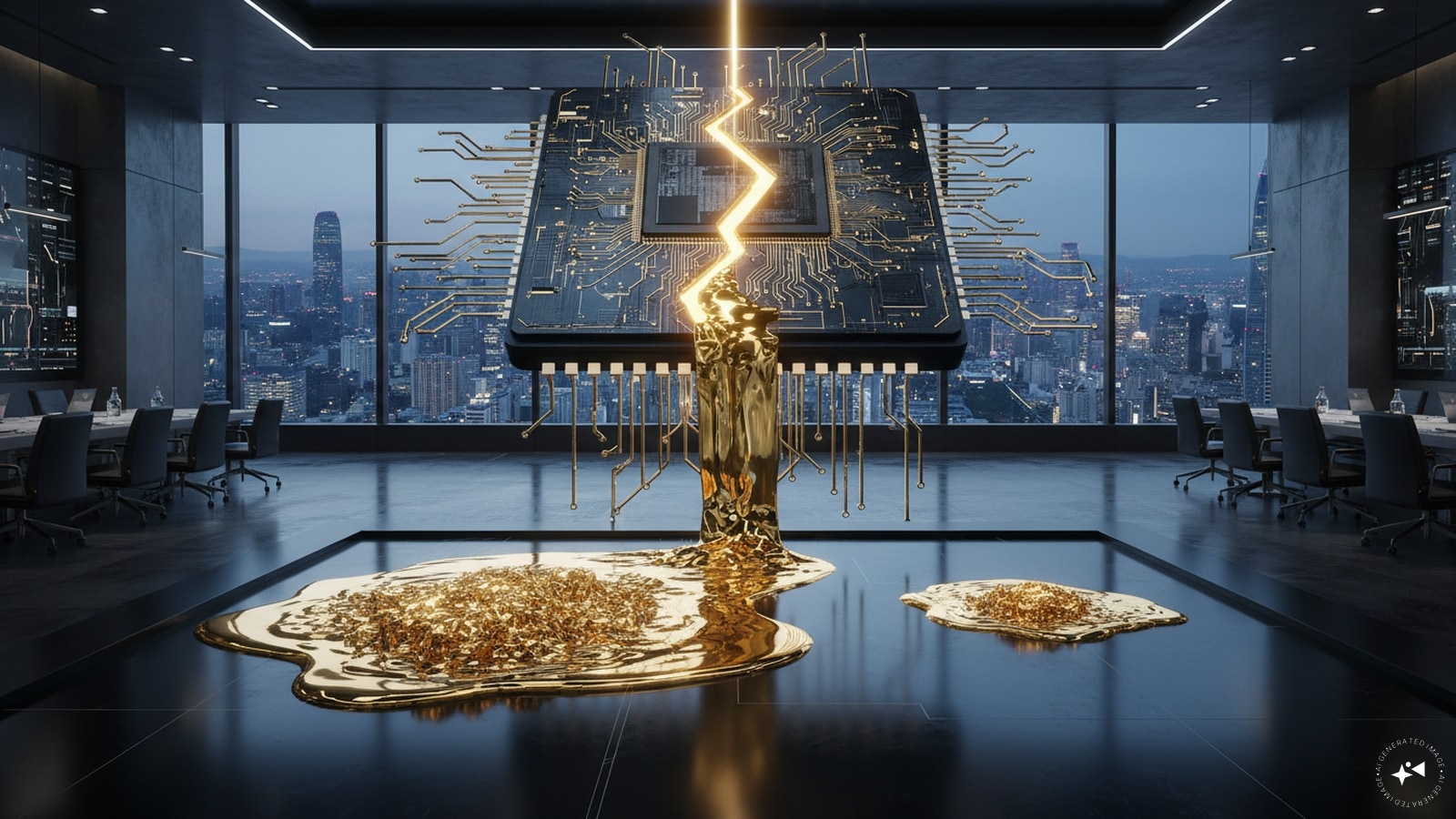
In reality, utility rebates are not a generous handout. They are a sophisticated mechanism designed to protect corporate balance sheets while dulling the consumer’s incentive to adapt to structural energy changes. By softening the immediate blow of rising bills, these adjustments preserve a broken status quo, guarantee long-term asset returns for utility shareholders, and leave the public completely unprepared for the permanent upward trajectory of energy costs.
Let’s dismantle the mechanics of Hong Kong’s energy sector to understand why celebrating these rebates is a fundamental economic mistake.
The Scheme of Control Deception
To understand why a utility rebate is a farce, you have to look at the regulatory architecture governing Hong Kong's power sector. The system operates under the Scheme of Control Agreements (SCAs).
Most people believe utility companies make money by selling more electricity at a high profit margin. They do not. Under the SCA framework, the power companies are guaranteed a fixed rate of return—currently set at 8 percent—on their average net fixed assets.
Read that again. Their profit is legally tied to how much capital infrastructure they build, not how efficiently they operate or how cheaply they provide power.
Guaranteed Profit = Average Net Fixed Assets x 8%
When fuel prices spike globally, these costs are passed directly to the consumer through the Fuel Cost Adjustment mechanism. The utilities do not absorb a single cent of commodity risk. When they offer a "rebate" or tap into their Community Energy Fund, they are simply moving money from one regulatory pocket to another. They are using accrued surpluses from past over-charges or government-subsidized funds to smooth out a pricing peak.
The capital expenditure remains completely untouched. The 8 percent guaranteed return on massive infrastructure investments remains fully intact. The rebate is not a deduction from corporate profits; it is a temporary subsidy designed to prevent public outrage from threatening the regulatory golden goose.
The Perverse Incentives of Artificially Cheap Power
Economics 101 dictates that price is the ultimate signal of scarcity. When a resource becomes harder to secure, the price goes up, and consumption goes down.
By blunting price spikes with rebates, utilities and regulators destroy this feedback loop. They create an economic narcotic that keeps residential consumers addicted to high-energy lifestyles in a world where the inputs for that energy are permanently shifting.
Consider the reality of Hong Kong’s grid transformation. The city is aggressively transitioning away from coal toward natural gas and zero-carbon imports to meet its 2050 carbon neutrality targets. Natural gas requires complex re-gasification terminals and floating storage units. It is inherently more expensive and volatile than the dirty coal of the past.
Imagine a scenario where the true market cost of electricity doubles over a six-month period.
- If consumers feel the full weight of that spike, behaviors change instantly. Energy efficiency measures are adopted. Commercial buildings optimize HVAC systems. Individuals turn off air conditioners in empty rooms.
- If a rebate artificially suppresses that price signal, the consumption patterns remain identical. The systemic stress on the grid continues unabated.
The true cost of that energy does not magically vanish because of a line item called a "rebate." The bill always comes due. If it is not paid through the monthly tariff, it is paid through public treasury funds, reduced public services, or deferred infrastructure costs that compound with interest. Rebates do not lower the cost of living; they merely redistribute the liability while ensuring consumers remain oblivious to the real value of the electrons they burn.
The Myth of the Vulnerable Consumer Safeguard
The standard defense of these rebates is equity. Advocates argue that without these interventions, low-income households and subdivided flat tenants would be plunged into energy poverty.
This argument is hollow. It uses genuine human suffering as a human shield to protect a corporate subsidy model.
If the goal is truly to shield low-income citizens from macroeconomic shocks, a blanket utility rebate is the most inefficient, blunt instrument imaginable. A flat rebate distributed across residential accounts gives the same per-unit relief to a luxury penthouse in Mid-Levels as it does to a family in a tiny tenement apartment in Sham Shui Po. In fact, because higher-income households consume exponentially more power, they often capture a disproportionate share of total subsidized value depending on how the rebate structure is tiered.
Furthermore, the most vulnerable residents in Hong Kong—those living in subdivided units—frequently do not even have independent meters from the power companies. Landlords install private sub-meters and illegally overcharge tenants for electricity, pocketing the difference. When the utility issues a generalized rebate to the primary account holder, that financial relief rarely trickles down to the actual tenant renting the sub-divided room.
If the government or the utilities actually cared about equity, they would scrap generalized tariff stabilization funds and replace them with direct, means-tested cash transfers specifically targeted at registered low-income households. But they will not do that. Direct welfare transfers expose the true cost of energy dependency, whereas utility rebates keep the transaction buried inside a complicated corporate billing statement.
The Long-Term Capital Cost Trap
I have spent decades analyzing corporate capital allocation strategies, and the pattern here is clear. Whenever a regulated monopoly offers a short-term operational concession like a tariff rebate, it is almost always trading operational peace for capital expenditure expansion.
While the public is distracted by a few cents off their per-kilowatt-hour rate, the utilities are quietly securing approvals for massive, multi-billion-dollar capital projects.
Right now, Hong Kong is investing heavily in offshore wind farms, hydrogen-ready gas turbines, and regional grid interconnections. Because of the Scheme of Control, every dollar spent on these megaprojects expands the asset base, which directly increases the absolute dollar amount of profit the utilities are legally guaranteed to extract from the public.
| Factor | Standard Public Perception | The Structural Reality |
|---|---|---|
| Rebate Origin | Corporate generosity or regulatory muscle. | Shifting accumulated tariff surpluses or government funds. |
| Profit Impact | Reduces the utility's bottom-line earnings. | Zero impact. The 8% return on fixed assets is legally protected. |
| Consumer Behavior | Helps citizens save money long-term. | Insulates consumers from price signals, delaying efficiency upgrades. |
| Equity Value | Effectively protects the poorest residents. | Fails sub-divided flat tenants while heavily subsidizing large users. |
The math is brutal. A residential customer might save $50 HKD a month on their bill this quarter due to a temporary fuel rebate. But over the next five years, that same customer’s base tariff will structurally rise by 15 to 20 percent to pay for the depreciating capital cost of a new offshore liquefied natural gas terminal.
The rebate is a localized anesthetic administered right before major financial surgery.
Stop Demanding Subsidies, Demand Competition
The fundamental problem is not that fuel is expensive. The problem is that Hong Kong consumers are captive audiences to a duopoly that faces zero market competition and zero downside risk.
If you want real, structural relief from soaring electricity bills, the solution is not to beg for bigger rebates. The solution is to break the monopolies.
The technology to do this already exists. Microgrids, distributed solar generation, and localized battery storage systems could allow commercial districts and housing estates to generate and manage their own power. In an open market, independent power producers could sell clean energy directly to the grid, forcing CLP and HK Electric to compete on operational efficiency rather than relying on a guaranteed return on bloated infrastructure.
But under the current regulatory framework, grid access is tightly guarded. Third-party power generation is effectively choked out. The utilities claim that keeping the system closed is the only way to guarantee Hong Kong’s legendary 99.999% grid reliability. It is a compelling narrative, but it conveniently ignores the fact that other global financial centers manage high reliability without guaranteeing corporate profits on the backs of captive residential consumers.
The next time you see an announcement about utility rebates, do not celebrate. Do not view it as a victory for consumer advocacy. View it for what it truly is: a calculated payout designed to keep you quiet while the structural cost of a rigged system continues to escalate behind the scenes.
Turn off the air conditioner because it is actually expensive to run, face the real cost of carbon-intensive living, and stop letting corporate public relations executives tell you they are doing you a favor.