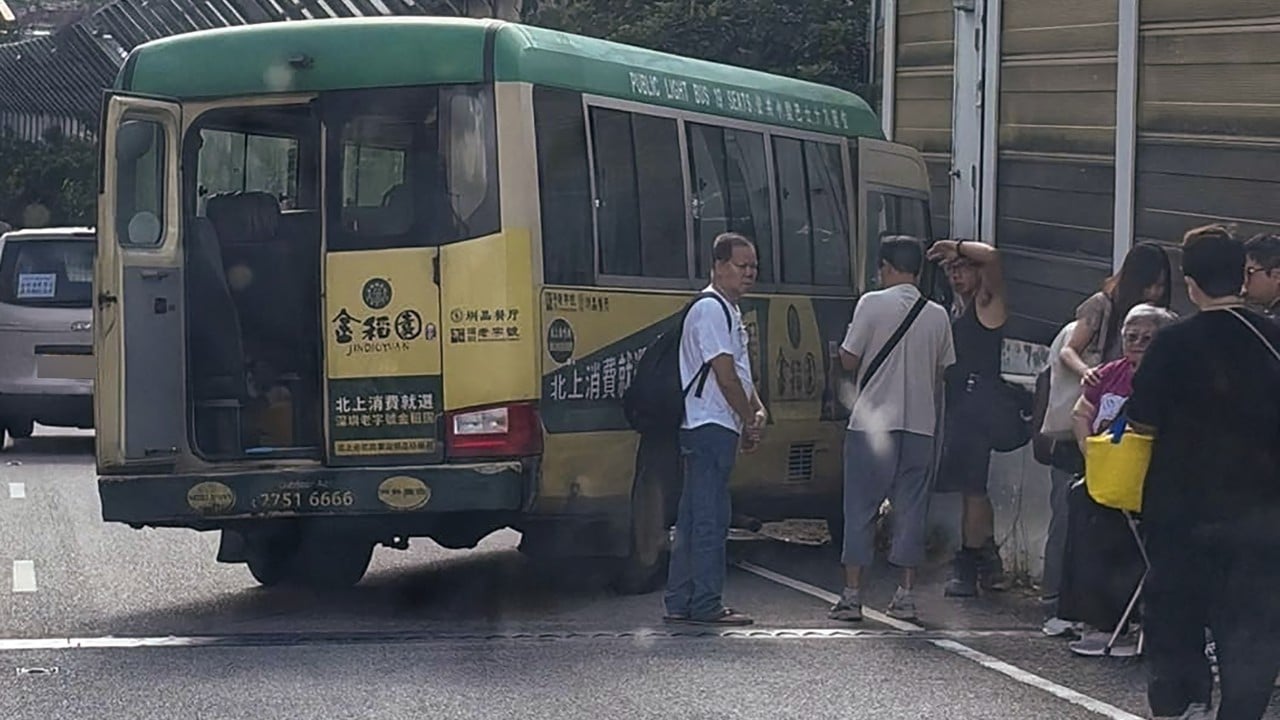
Morning rush hour traffic in Hong Kong is already a high-stakes psychological test. You're squeezing onto packed transport networks, watching the clock tick, hoping to make it across the city before work starts. Then reality hits. Seventeen people found out the hard way when a green minibus slammed violently into a construction vehicle on the Fanling Highway near Sheung Shui.
It happened at around 8:53 AM. The minibus was heading toward Kowloon when it plowed straight into the back of a stationary work truck. Sixteen passengers—twelve men and four women—plus the driver ended up requiring urgent medical treatment. Ambulances rushed the wounded to North District Hospital and Alice Ho Miu Ling Nethersole Hospital.
These aren't random flukes. They're symptoms of a systemic failure in how commercial transport operators handle fatigue, speed, and congestion on major arteries.
The Danger on the Fanling Highway
The Fanling Highway is a vital corridor, but during peak hours, it turns into a parking lot punctuated by sudden, terrifying slowdowns. When highway maintenance or construction vehicles occupy lanes without adequate buffer zones, drivers running on tight schedules face impossible reaction windows.
Minibuses are famous for speed, efficiency, and frequency. They're also notorious for tight profit margins that push drivers to work grueling hours. Honk, weave, brake hard, repeat. When you combine high-speed traffic with a sudden queue or a slow-moving construction truck, disaster takes fractions of a second.
Police and transport authorities immediately launched an investigation into the crash. Yet, looking into causes after metal meets metal feels reactive. Why do these collisions keep repeating across Hong Kong's expressway network?
Why Public Transport Collisions Keep Happening
Let's talk about the unspoken pressures behind the wheel. Minibus drivers face immense economic strain. They get paid based on trips or hours under grueling operational models, leading many to skip proper rest.
When you mix chronic sleep deprivation with aggressive urban driving styles, reaction times plummet. Tailgating is practically a cultural norm on congested expressways because keeping a safe braking distance invites other vehicles to cut in. On paper, traffic regulations forbid this. On the road, drivers do it anyway to protect their journey times.
Consider the aftermath of the Sheung Shui incident. Traffic choked up for hours, disrupting thousands of commuters heading toward Kowloon. Emergency services scrambled. Hospital wards flooded with patients suffering from whiplash, fractures, and lacerations.
Fixing the Highway Safety Crisis
We can't just throw our hands up and call these incidents unavoidable accidents. Real safety requires structural changes that transport companies and regulators usually try to avoid because they cost money.
First, enforcement of mandatory rest periods needs teeth. If drivers are logging fourteen-hour shifts behind the wheel of a commercial passenger vehicle, fatigue management is just a corporate buzzword.
Second, highway construction zones need better early-warning telemetry. Flashing LED signage placed hundreds of meters further back can give fast-moving traffic the extra seconds required to slow down safely. Relying solely on small cones or delayed flashing arrows on the back of a slow truck is a recipe for rear-end collisions.
Commuters also need viable alternatives. When the system relies entirely on squeezing more capacity into narrow highway lanes during peak windows, human error will eventually trigger another headline.
Take a close look at your daily commute route. If you're riding the expressways during rush hour, keep your seatbelt fastened tight and stay off your phone. You can't control the driver behind you, but you can pay attention to the flow of brake lights ahead.
Hong Kong double-decker bus crashes into truck
This video highlights a similar dangerous collision between a heavy vehicle and a highway maintenance transport in Hong Kong, emphasizing the ongoing risks associated with expressway infrastructure and commercial driving habits.