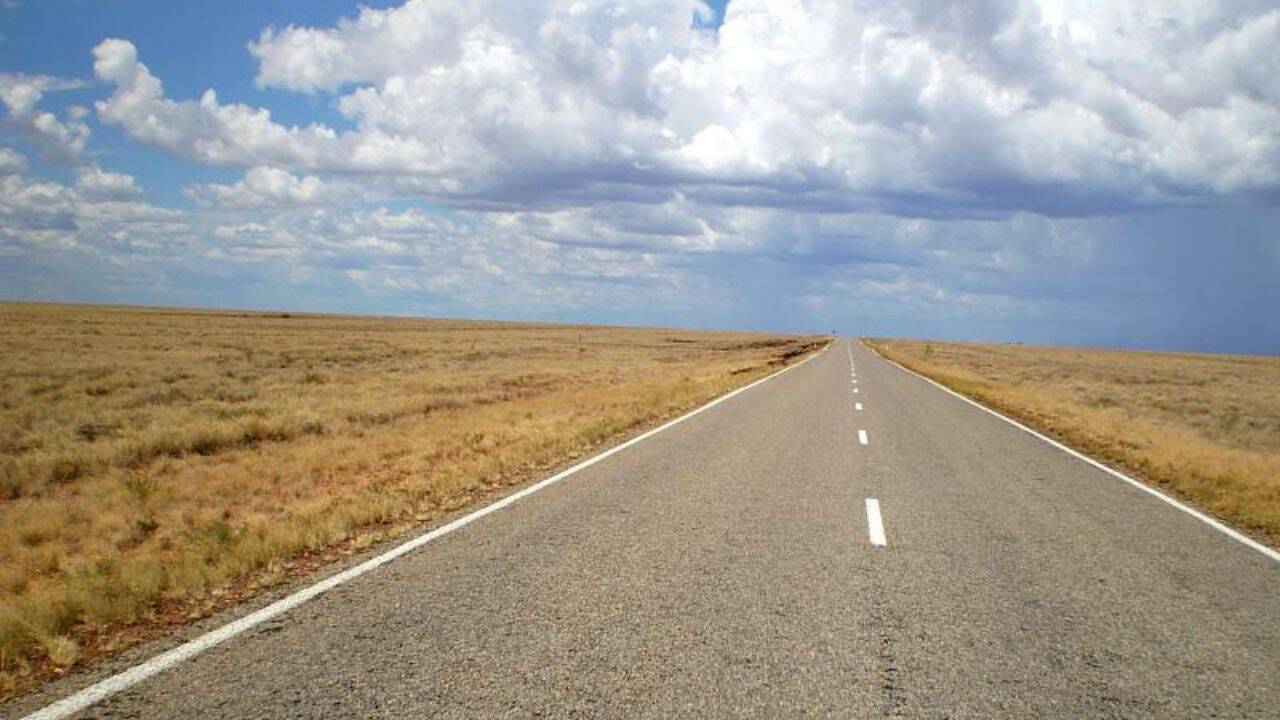
The Myth of the Continuous Ribbon
Australia Highway 1 is often cited as the longest national highway network on earth stretching roughly 14,500 kilometers around the entire perimeter of the continent. But that headline figure masks a logistical monster. It is not a single, pristine strip of smooth asphalt where you can set cruise control in Sydney and wake up in Darwin. It is a fragmented, stitched-together federation of state-managed roads, remote gravel tracks, single-lane bridges, and flood-prone desert corridors that demand absolute respect from anyone foolish enough to underestimate them.
Every year, thousands of tourists and seasoned overlanders look at a map, see a single continuous green line looping the continent, and assume they are embarking on a glorified coastal road trip. That assumption routinely costs people thousands of dollars in vehicle repairs, or worse, strands them in searing heatwaves hundreds of kilometers away from cellular reception.
Understanding the reality of Australia Highway 1 requires stripping away the glossy tourism marketing. You have to look at the tarmac, the funding battles between state and federal governments, and the brutal physics of driving across a continent that actively wants to chew your vehicle to pieces.
Why the Route is Not What You Think
The official designation of Highway 1 is a bureaucratic construct rather than a uniform piece of civil engineering. Created in 1955, it brought together a disparate collection of existing colonial coach routes, wartime supply tracks, and coastal paths into a single unified designation.
Because Australia is governed by a federation, the responsibility for maintaining this 14,500-kilometer beast falls across multiple jurisdictions.
- New South Wales manages its own stretches.
- Western Australia looks after the brutal northern sections through the Pilbara and Kimberley.
- The federal government occasionally steps in with funding injections, but political wrangling often delays critical upgrades.
The result is a patchwork quilt of infrastructure quality. You can cruise along a six-lane divided highway outside of Brisbane, only to find yourself creeping over a corrugated, bone-jarring dirt bypass in the remote corners of the Nullarbor or Western Australia because a seasonal flash flood washed away the bridge months ago and repairs move at the speed of government bureaucracy.
The Economics of Isolation
Maintaining a road network across a continent the size of the United States with a population hovering around twenty-seven million people is an economic impossibility by conventional metrics. There simply are not enough taxpayers along the Nullarbor Plain or the Eyre Highway to fund world-class drainage, dual lanes, and roadside lighting.
Freight operators know this better than anyone. Road trains—massive, multi-trailer behemoths stretching up to fifty-three meters in length—are the lifeblood of regional supply chains. They carry everything from fresh produce to mining equipment along Highway 1. When a wet season monsoonal trough dumps a year's worth of rain in a week across northern Queensland or Western Australia, these supply lines snap.
Supermarket shelves in remote towns empty within days. The economic cost of these disruptions runs into the hundreds of millions, yet upgrading every single flood-prone creek crossing to an all-weather bridge would cost tens of billions. Governments play a perpetual game of financial triage, fixing the sections that scream the loudest while letting secondary stretches deteriorate.
Surviving the Drive
If you are planning to tackle any significant portion of Highway 1, you need to abandon the mindset of modern highway driving. This is expedition territory disguised as a national route.
Vehicle preparation dictates whether you complete the journey or become a statistic on a coronial report. Modern vehicles are packed with sensitive electronics and complex emissions systems that despise poor-quality fuel and endless vibrations from corrugated dirt tracks.
Essential Mechanical Realities
- Suspension systems take a catastrophic beating. Stock shock absorbers often fail within the first few thousand kilometers of rough-road driving.
- Fuel management requires military precision. Distances between verified fuel stops in the northwest can exceed four hundred kilometers. A strong tailwind or a heavy foot on sand can ruin your fuel calculations instantly.
- Tire selection separates the prepared from the stranded. Standard highway terrain tires will shred on sharp shale rocks. Heavy-duty all-terrains or dedicated light-truck construction tires are mandatory, along with a minimum of two functional spare tires.
Water is another constant tactical challenge. Carrying a minimum of ten liters of drinking water per person is the baseline rule for remote sections, alongside emergency rations that can sustain you for several days if your vehicle breaks down and you are forced to stay with it until help arrives.
The Changing Face of the Route
The character of Highway 1 is shifting. Mining booms in the west and north have injected sudden bursts of heavy industrial traffic into previously quiet coastal tracks. Road trains now rumble past pristine surf beaches where grey nomads park their caravans.
At the same time, regional councils are slowly paving remaining unsealed sections, trying to balance the desires of adventure travelers who want rugged isolation with the economic necessity of reliable freight corridors. The sealing of the final stretches of the legendary Savannah Way and remote portions of the north means the days of genuine frontier isolation are slowly shrinking, replaced by safer, faster, but perhaps less romantic asphalt.
Do not let the glossy brochures fool you into thinking this is a Sunday drive. It is a raw, unforgiving corridor linking the edges of a massive continent, demanding respect, preparation, and a healthy dose of humility from anyone who turns the key and points their hood toward the horizon.