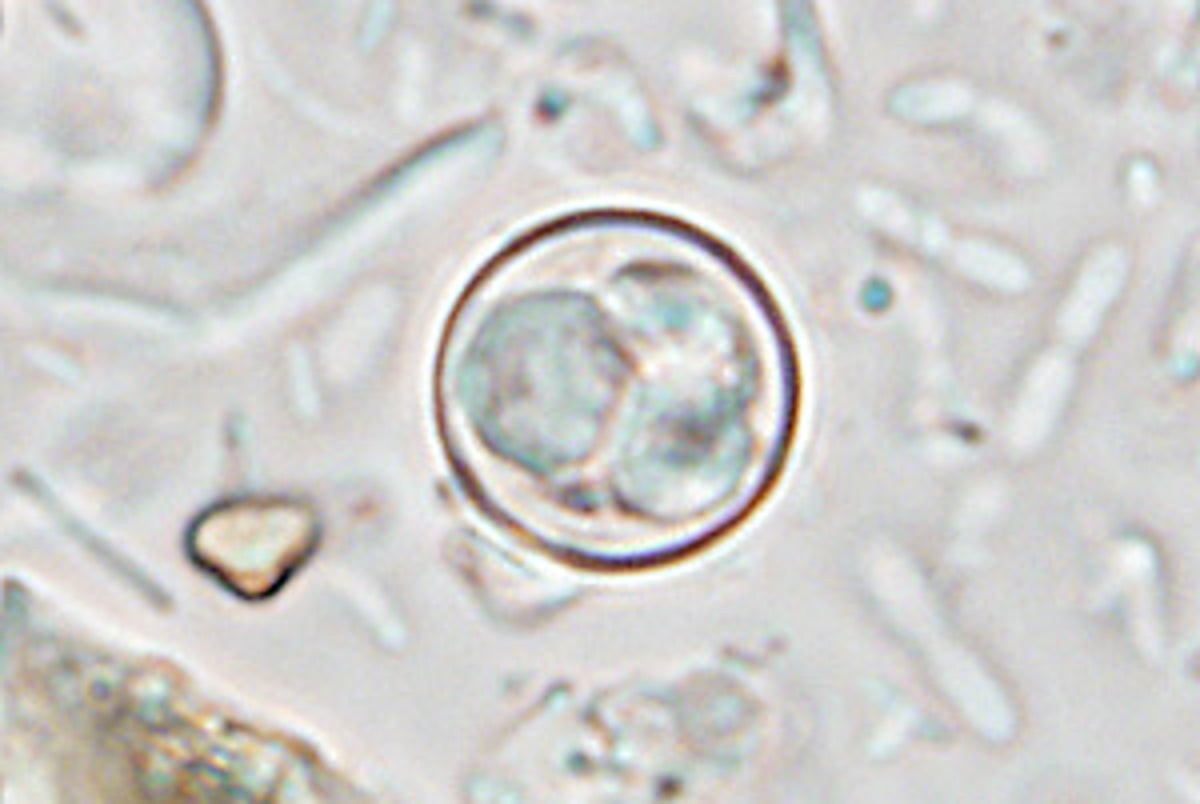
The terrifying headline of a traveler returning from overseas with dozens of parasites boring into their brain sounds like the plot of a low-budget horror film. Yet, this exact nightmare frequently makes waves in Western media, sparked by individual horror stories of standard vacations turned into medical emergencies. The condition in question is neurocysticercosis, a preventable parasitic infection of the central nervous system caused by the larval stage of the pork tapeworm, Taenia solium. While sensationalized reports focus entirely on the shock value of the diagnosis, they routinely miss the broader, systemic reality. This is not a random curse that strikes unlucky tourists; it is a profound reflection of global public health disparities, agricultural practices, and the complex risks inherent to international travel.
Understanding the true mechanism of this disease dismantles the common, xenophobic myths surrounding it. You do not get brain parasites from eating undercooked pork. That widespread belief is fundamentally incorrect. For another view, consider: this related article.
[Image of Taenia solium life cycle]
The Misunderstood Lifecycle of the Tapeworm
To understand how a parasite ends up in human brain tissue, one must look at the actual biological lifecycle of Taenia solium. The process requires a distinct failure in sanitation, not just a poorly cooked meal. Related analysis on this matter has been provided by WebMD.
When a person eats undercooked pork containing tissue cysts, they develop taeniasis—an intestinal tapeworm infection. This tapeworm lives in the gut, grows up to several meters long, and sheds thousands of eggs daily in the host's stool. The real danger of brain invasion, or cysticercosis, happens through a completely different pathway called fecal-oral contamination.
A person becomes a victim of neurocysticercosis by accidentally ingesting the microscopic eggs passed in the feces of someone who already has an intestinal tapeworm. This happens through contaminated water, soil, or food prepared by an infected individual who did not wash their hands properly.
Once swallowed, these eggs hatch in the human intestine. The larvae penetrate the intestinal wall, enter the bloodstream, and migrate to various tissues. They have a particular affinity for the central nervous system. Once inside the brain, they form fluid-filled cysts.
[Ingestion of Eggs via Contaminated Food/Water]
       │
       ▼
[Larvae Hatch in Intestine]
       │
       ▼
[Penetrate Intestinal Wall into Bloodstream]
       │
       ▼
[Migration to Brain Tissue / Cyst Formation]
The human body’s immune system often fails to recognize these invaders for years. While the larvae are alive, they actively suppress the local immune response, allowing them to survive quietly in the brain tissue. It is often only when the parasite begins to die—either naturally or due to medical treatment—that the immune system mounts a massive inflammatory response. This inflammation causes the classic symptoms: severe headaches, chronic seizures, confusion, and neurological deficits.
The Travel Exposure Disconnect
Sensationalized articles imply that stepping off a plane in a developing nation immediately exposes a traveler to exotic plagues. The reality is far more mundane and preventable. Western travelers usually contract neurocysticercosis not from eating local street food, but from prolonged exposure in areas with inadequate managed sanitation, or from close contact with carriers within their own households.
The incubation period for neurocysticercosis ranges from months to decades. A traveler might return from a trip feeling perfectly healthy, only to suffer their first grand mal seizure five years later. This delay creates a massive diagnostic blind spot for clinicians in non-endemic countries. Emergency room physicians in New York or London rarely think to ask about a two-week vacation to South Asia or Latin America that took place half a decade ago.
Furthermore, focusing exclusively on international travel ignores the domestic reality. The World Health Organization classifies neurocysticercosis as a neglected tropical disease, but it is increasingly diagnosed in high-income nations. In the United States, hundreds of cases are reported annually, frequently among individuals who have never left the country. These domestic cases are typically traced back to asymptomatic household contacts—such as domestic workers or family members from endemic regions—who harbor the intestinal tapeworm and inadvertently spread the eggs.
Diagnostics and the Treatment Paradox
Diagnosing a brain parasite is a complex exercise in neuroimaging and serology. Magnetic resonance imaging (MRI) and computed tomography (CT) scans are the primary tools used to visualize the cysts, which appear as distinct round lesions within the brain matter.
| Cyst Stage | Appearance on Neuroimaging | Clinical Implications |
|---|---|---|
| Vesicular | Clear fluid-filled cysts with a visible larval head (scolex). | Active infection; low initial inflammation. |
| Colloidal | Thickening cyst wall, cloudy fluid, surrounding edema. | Parasite is dying; peak immune response and symptoms. |
| Calcified | Small, dense, scarred nodules. | Parasite is dead; can remain a permanent focus for seizures. |
Treating the condition is not as simple as taking a pill to kill the worms. In fact, killing the parasites too quickly can be fatal.
When antiparasitic drugs like albendazole or praziquantel are administered, they cause the immediate death of the larvae. This trigger releases a flood of foreign proteins into the brain tissue, causing massive, acute swelling. If a patient has dozens of cysts, this sudden inflammation can lead to intracranial pressure, severe seizures, or coma.
Consequently, medical protocols demand the simultaneous use of high-dose corticosteroids, such as dexamethasone, to suppress the immune response before any antiparasitic treatment begins. In cases where cysts block the flow of cerebrospinal fluid, surgical intervention or the placement of a shunt is required immediately to prevent hydrocephalus.
Mitigating the Risk
The sensationalism surrounding global travel infections obscures the highly effective, practical steps required to prevent transmission. Relying on the assumption that high-end hotels or resorts are immune to sanitation failures is a dangerous gamble for any traveler.
- Hand Hygiene: Handwashing with soap and clean water is the single most effective barrier against fecal-oral transmission. Alcohol-based hand sanitizers kill many bacteria but are less effective against certain parasitic eggs.
- Water Safety: Drink only bottled, sealed water, or water that has been boiled for at least one full minute. Avoid ice cubes in drinks, as they are frequently made from unfiltered tap water.
- Food Selection: Eat food that is served steaming hot. Avoid raw vegetables, unpeeled fruits, and salads in areas with poor sanitation infrastructure, as these items are easily contaminated during washing or handling.
The hyperbole of the "38 parasites" narrative serves as a reminder of our biological vulnerability, but the solution lies in systemic public health infrastructure, rigorous food safety standards, and accurate clinical awareness rather than panic. Overlooking the exact biological mechanics of transmission leads to misplaced fear, leaving travelers vulnerable to the very real, preventable risks of the road.