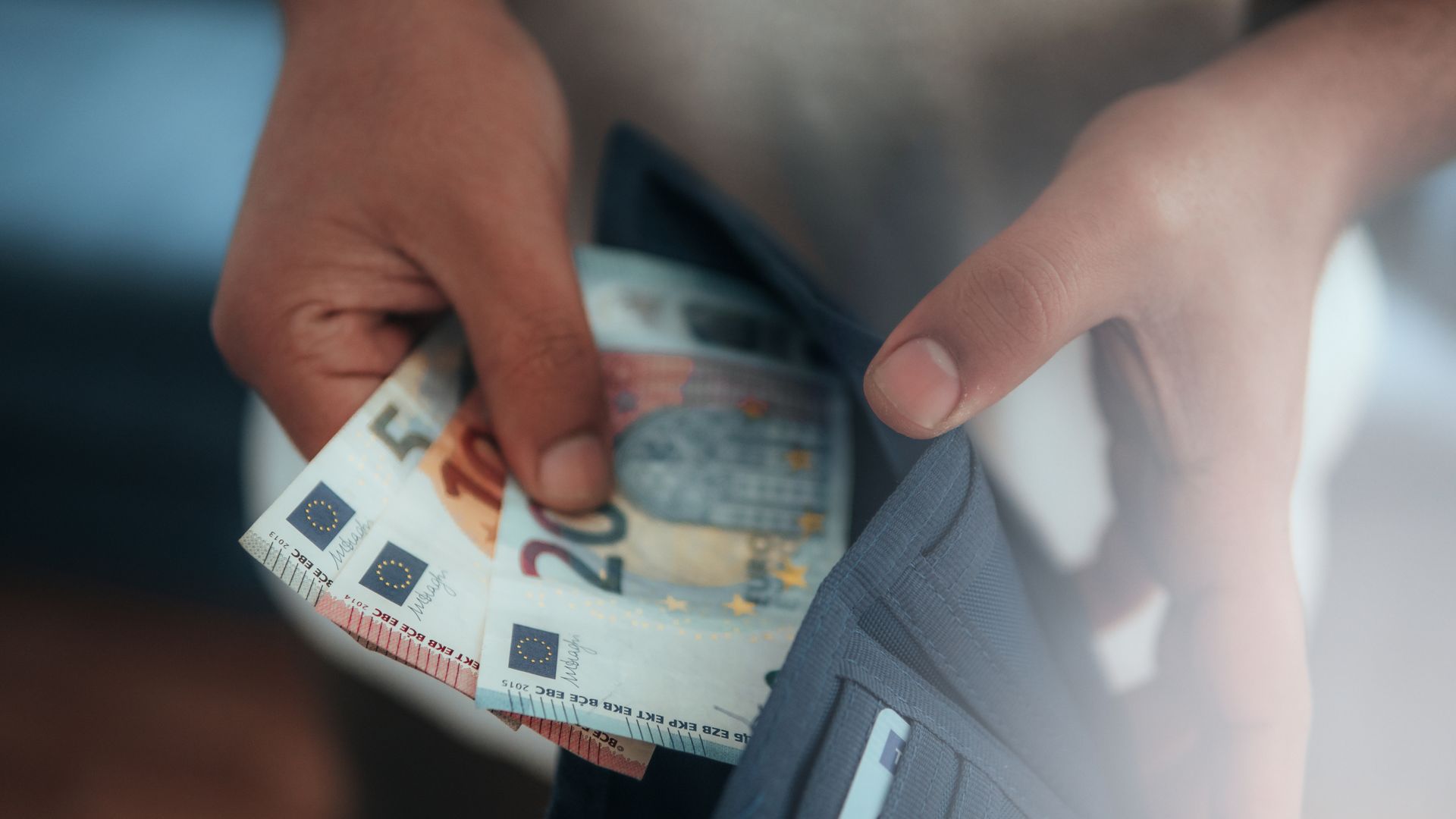
Every summer, millions of travelers walk up to brightly lit airport kiosks, hand over their hard-earned cash, and accept whatever foreign currency is slid across the counter. It is a ritual born of convenience and anxiety. It is also one of the most expensive mistakes you can make before your flight even leaves the runway.
The Mechanics of the Markup
The fundamental flaw in how most people approach travel money lies in a basic misunderstanding of exchange rates. Banks and currency booths do not perform a public service out of the goodness of their hearts. They operate on a spread.
That spread represents the difference between the rate at which institutions buy currency and the rate at which they sell it to you. When you see a glowing sign boasting zero commission, take a deep breath. They are simply baking their fee directly into a heavily distorted exchange rate.
Consider a hypothetical example to make this concrete. If the actual interbank exchange rate stands at two units of foreign currency for every single domestic unit, a typical high-street provider might offer you one point eight. The airport kiosk down the terminal, knowing you are desperate and out of time, might drop that number even further to one point six. You are paying a twenty percent invisible tax on your own liquidity simply because you waited until the last possible second.
Why Plastic Still Wins
For decades, conventional wisdom dictated carrying a thick wad of local banknotes as soon as you stepped off the plane. Today, that advice is largely obsolete.
Card payments, provided you choose the right plastic, offer the closest possible approximation to the true mid-market rate. Traditional major credit cards often slap foreign transaction fees ranging from two to three percent onto every purchase, wiping out the convenience. However, a growing crop of multi-currency digital cards and specialized debit products allow users to hold balances in multiple currencies or automatically convert funds at near-interbank rates with minimal markups.
The trap here is dynamic currency conversion. When a foreign point-of-sale terminal or ATM asks whether you want to be billed in your home currency or the local currency, choose the local currency every single time. Letting the merchant handle the conversion gives them free rein to apply an arbitrary, highly punitive exchange rate on the spot.
Cash is Not Dead, Just Misunderstood
While plastic rules the modern vacation, walking around with zero physical cash is a gamble that usually ends in frustration. Certain economies run almost exclusively on paper notes for everyday transactions.
Street food vendors in bustling markets, rural transit systems, and small family-run guesthouses frequently lack the infrastructure or the patience for card readers. Relying purely on a digital wallet in these environments will leave you stranded.
The strategy of the seasoned traveler involves a hybrid approach. You secure a modest amount of physical cash before departure, but you do it intelligently. Order local currency from your bank several days in advance, or use a fee-free ATM network once you arrive at your destination rather than exchanging funds at home.
The ATM Trap Abroad
If you must withdraw cash from an international ATM, you must navigate another minefield of hidden fees. Local operators often charge flat out-of-network fees, and your home bank may pile on additional percentage charges for foreign withdrawals.
Always select the local currency option when the machine prompts you. Furthermore, look for major national bank ATMs rather than independent, white-label machines planted in tourist hotspots. Those independent kiosks are notorious for layering extra charges and dispensing unfavorable conversion rates.
The Psychological Cost of Financial Anxiety
Money management while traveling impacts more than just your bank balance. It affects how you experience a new country.
When you spend your entire trip mentally converting every meal, taxi ride, and museum ticket back into your home currency, you are not truly present. You are trapped in a state of continuous financial triage. The root cause of this anxiety is almost always poor preparation.
Deciding your budget framework weeks ahead of time eliminates the guesswork. Allocate fixed amounts for accommodation, transport, food, and emergencies. Once those boundaries are set, the mental burden lifts. You stop viewing every minor expense as a potential disaster and start experiencing the destination the way it was meant to be lived.
Stop treating travel money as an afterthought to be solved at the terminal gate. Treat it as a core component of your itinerary that deserves the same meticulous planning as your flights and accommodations. The financial system relies on your last-minute panic to turn a profit. Refuse to give them the satisfaction. Check your card terms, secure a sensible amount of local currency ahead of time, and refuse to pay the terminal tax ever again