Heating a house in northern Europe during a sub-zero January takes serious energy, and letting high-temperature thermal energy vent straight into the sky feels wasteful once you see how district networks work. Projects across Europe are now capturing surplus heat from crematoria to warm schools, swimming pools, and thousands of homes instead of dumping it into the atmosphere.
In Finland, a planned crematorium in Kangasala slated to open in 2028 will feed recovered heat into a local district heating network serving more than 6,500 homes. Meanwhile, in Aberdeen, Scotland, a school under construction has received planning permission to tap surplus heat from the city's crematorium starting around February 2027, supplying just under one gigawatt-hour a year—roughly half the building's heating demand—backed up by a heat pump.
Let's be honest: the idea sounds macabre at first glance. Most people picture a funeral home or a chimney and immediately wonder if it's respectful, safe, or even meaningful on a grid scale. Once you strip away the shock value, though, it's a straightforward waste-heat recovery play. Cities already capture heat from data centers, sewers, and factories; crematoria just happen to run hot.
How Crematorium Heat Recovery Actually Works
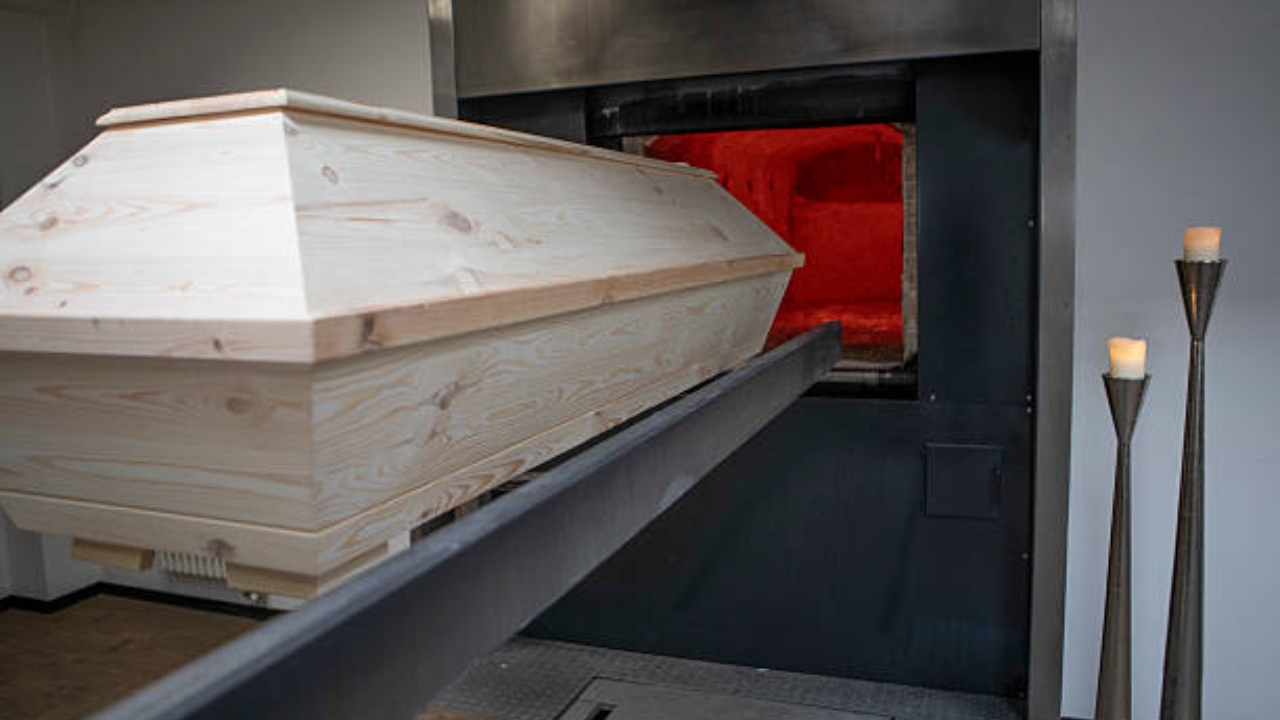
A cremation chamber reaches high temperatures, and heat exchangers pull thermal energy out of hot exhaust gases or flue streams before they exit. Instead of losing that warmth to the outside air, fluid in a closed loop transfers the heat into building heating systems or a municipal hot-water grid.
In Kangasala, Finland, the upcoming facility is designed to run on electricity rather than natural gas, paired with rooftop solar panels, while routing recovered heat into the town's district heating pipes. Energy and building systems consultant Timo Heikkilä at Thenco Oy has pointed out how well that fits Finland's push away from natural gas during long sub-zero spells.
The Aberdeen project takes a slightly different route. Rather than feeding a massive residential grid, it pairs surplus crematorium heat with a heat pump to cover about half of a new school's annual heat requirement. That combination matters because cremation schedules aren't constant like a baseload power plant—you need a backup or boost source when demand spikes or furnace cycles pause.
Batch Scheduling and Furnace Efficiency
Running a cremator isn't like flipping a light switch. Heating up a refractory chamber takes time and fuel or electricity, so running multiple cremations back-to-back keeps temperatures steadier and cuts wasted warm-up energy.
Ian Rudkin, who has managed UK crematoria and sits on the board of the Cremation Society of Great Britain, has noted that some facilities hold coffins for up to 72 hours to sequence cremations more efficiently. Families were sometimes surprised when the practice first came up, yet acceptance grew as people understood the practical reason behind it.
What It Means for Europe's Energy Mix
Don't fall for the headline illusion that funeral heat will solve Europe's energy crunch. A 2024 study in the journal Energy estimated that recovering waste heat from every crematorium in the UK could meet only about 1% of the country's total heating demand.
One percent sounds tiny. In real-world energy planning, though, heating buildings is notoriously stubborn to decarbonize, and every bit of captured waste heat displaces fossil fuel or extra grid load locally. A single crematorium won't heat an entire metropolis on its own, yet connecting one to an existing neighborhood pipe network or nearby public building can make measurable dent in local gas use.
Real Hurdles Beyond the Taboo
Taboo is only half the story. Engineering and public trust come with real constraints that planners can't hand-wave away.
- Intermittent supply: Cremations happen on human schedules, not weather forecasts. A school or housing block still needs reliable heat on cold mornings when no furnace is running, which is why heat pumps or district boilers stay in the loop.
- Proximity and pipe costs: District heating works best when heat sources sit close to dense buildings or existing insulated mains. Trenching long pipes through streets adds serious upfront cost.
- Emissions and filtration: Combustion and thermal processing require strict air-quality controls—research on cremation emissions, including mercury from dental amalgam, underscores why modern filtration is non-negotiable alongside heat recovery.
- Changing social norms: Hannah Rumble of the University of Bath's Centre for Death and Society has observed that heat recovery can be seen as a response to human environmental impact and may even sway how some people view cremation choices. Still, local councils have to explain the setup plainly so residents don't feel blindsided.
Personally, I think transparency makes or breaks these projects. If a town hides the connection behind vague green jargon, people push back. If officials explain clearly that hot air was going up a stack anyway and is now warming classrooms or apartments, most folks shrug and accept it.
Would You Want Your Heat Reused?
That question isn't purely hypothetical anymore. Heikkilä has said he'd like his own cremation heat recovered as a practical final contribution, and researchers studying death and society note that eco-minded funeral options are getting more attention. Others still feel uneasy mixing memorial spaces with everyday utility bills, and that personal boundary is fair to respect.
Practical Next Steps for Local Planners and Readers
If you work in municipal energy, facilities management, or local advocacy—or just want to look closer at how your own community heats buildings—start with concrete checks rather than grand promises:
- Map nearby heat sinks: Check if a crematorium, data center, or industrial site sits within practical piping distance of a school, pool, or district heating main.
- Pair waste heat with heat pumps: Design systems around fluctuating thermal output instead of assuming constant furnace heat.
- Verify emissions and air controls: Confirm that flue-gas cleaning and filtration standards are rock-solid before adding heat-recovery gear.
- Communicate early with residents: Share plain-language facts on energy savings, backup heating, and respect for bereaved families before construction begins.