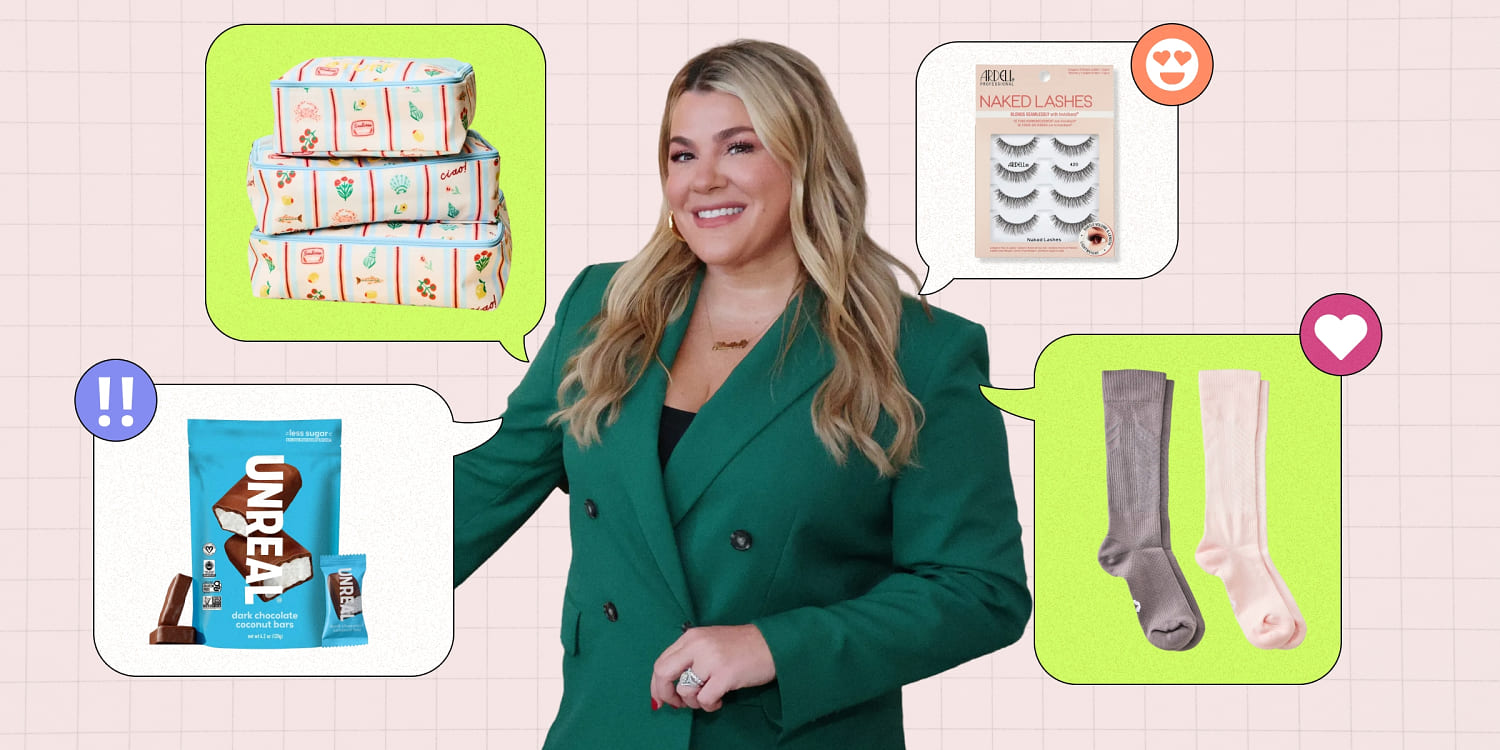
Heather McMahan bypassed traditional Hollywood gatekeepers by converting raw, unfiltered Instagram Stories into a touring powerhouse, a top-charting podcast, and a Netflix comedy special. While legacy networks spent years debating whether an Atlanta-based comedian with a theater background fit their demographic models, McMahan built a direct-to-consumer business that sells out historic venues like Radio City Music Hall. Her trajectory exposes a massive shift in entertainment economics: audience ownership now outweighs institutional validation.
For decades, the comedy pipeline operated like an assembly line. Comics moved to Los Angeles or New York, grinded through open mics, begged for late-night stand-up spots, and hoped a network executive would greenlight a sitcom pilot. Most failed before ever seeing a stage outside a basement club. McMahan looked at that broken system and walked away from it entirely.
The Myth of the Overnight Instagram Sensation
Casual observers often dismiss social media comedians as lucky amateurs who stumbled into fame with a ring light and a ring-side seat to algorithm changes. That narrative is lazy. It ignores the years of classical training and grueling failures that preceded her viral breakout.
McMahan earned a Bachelor of Fine Arts in acting from the University of Mississippi. She spent years in New York City auditioning for commercials, working survival jobs, and enduring the soul-crushing rejection that defines early-stage show business. Nothing stuck. When her father passed away, she moved back to Atlanta to help her mother, effectively stepping off the traditional career ladder.
That retreat turned into her greatest competitive advantage. Stripped of industry pressure to conform to coastal comedy trends, she started posting daily observations on Instagram. She documented family chaos, Southern eccentricities, and her own insecurities with zero polish.
The industry missed what was actually happening. Executives saw a woman talking into her front-facing camera with a towel on her head. What they failed to recognize was high-frequency audience testing. Every Instagram Story functioned as a low-stakes focus group. Jokes that landed got expanded. Bits that bombed disappeared in twenty-four hours. By the time McMahan stepped onto major theater stages, her material had already been stress-tested by hundreds of thousands of real people.
Why Traditional Comedy Clubs Lost Their Monopoly
Comedy club bookers used to hold absolute power over who got stage time and who stayed broke. If a comic didn't fit a club's preferred mold, they didn't work. McMahan broke that monopoly by flipping the leverage equation.
When she booked her first live dates, she didn't rely on club marketers to fill seats. She brought her own ticket buyers. Club owners suddenly realized they weren't doing her a favor by putting her on the marquee; she was saving their mid-week revenue.
This dynamic illustrates a fundamental rule of modern live entertainment. Distribution dictates value. A comedian who owns a direct communication channel with 800,000 engaged followers holds infinitely more bargaining power than a comic with a minor recurring role on a streaming sitcom nobody watches.
The Economics of Direct Fan Conversion
To understand how McMahan monetizes her brand, look at the conversion funnel she constructed across multiple platforms:
- Top of Funnel (Social Media): Short-form video clips, chaotic domestic updates, and relatable commentary act as free, daily touchpoints that build parasocial trust.
- Mid-Funnel (Podcasting): Her podcast, Absolutely Not, deepens that connection. An hour-long audio format filters out passive scrollers and retains die-hard listeners willing to spend money.
- Bottom of Funnel (Live Touring and Merch): Those loyal listeners buy $75 theater tickets, VIP meet-and-greet packages, and branded merchandise at margins that dwarf streaming residuals.
Legacy studios still struggle to replicate this funnel because they view social media as a promotional afterthought rather than the core product. McMahan treats her digital presence as the main stage and uses traditional media deals—like her Netflix special Son I Never Had—as validation mechanisms to reach older or less online demographics.
The Architecture of Relatability
Relatability is one of the most abused buzzwords in entertainment marketing. Usually, it translates to bland, focus-grouped mediocrity designed to offend nobody. McMahan's version of relatability works because it is aggressively specific.
She leans heavily into Southern culture, body image struggles, fertility journeys, and the absurdity of modern wellness culture. By refusing to airbrush her life, she creates a psychological safe space for her audience. When a performer openly admits to eating shredded cheese over the kitchen sink at midnight, the audience stops viewing her as a distant celebrity and starts viewing her as a peer.
There is a calculated risk in this approach. Radical transparency blurs the line between public persona and private life. When you build an empire on sharing your actual life, taking a week off feels like abandoning your customer base. Burnout becomes an occupational hazard not because the work is physically demanding, but because the boundary between the artist and the product completely dissolves.
Navigating the Perils of Oversharing
Critics often point out that personality-driven comedy lacks the timelessness of tightly crafted observational stand-up. A joke about an airline seat has a twenty-year shelf life. A rant about a specific wedding seating chart expires quickly.
McMahan counters this vulnerability through sheer charismatic force and physical comedy. Her background in theater shows up in her vocal modulation, facial expressions, and command of pacing. Even when the subject matter is hyper-personal, the delivery relies on classic comedic mechanics: setup, escalation, and callback.
Still, the pressure to constantly generate fresh personal narrative creates a treadmill effect. Unlike a character actor who can disappear between projects, a digital-first comedian must feed the content machine continuously to maintain algorithmic visibility.
What Legacy Entertainment Still Gets Wrong
Walk into any major talent agency in Beverly Hills today, and you will hear agents scrambling to sign creators with massive follower counts. Most of those partnerships fail spectacularly.
They fail because agencies try to force digital natives into outdated formats. They take a comedian whose magic lies in spontaneous, unscripted interaction and lock them into a rigid, multi-camera sitcom script written by a room of writers who don't understand their voice. The result feels stiff, artificial, and unfunny.
McMahan avoided this trap by maintaining creative control over her projects. Whether producing her own tours or developing her comedy specials, she refused to let executives sanitize her voice for mass appeal. She understood a basic truth that studio heads routinely forget: trying to appeal to everyone guarantees you matter to no one.
Her success also exposes a glaring blind spot in how Hollywood values demographics. For decades, entertainment executives treated women over thirty—particularly women living outside New York and Los Angeles—as a secondary market. They assumed these audiences wanted safe, aspirational lifestyle programming.
McMahan proved that demographic wanted raw, raucous, R-rated comedy that reflected their actual lives. And more importantly, she proved they had disposable income and were willing to travel in groups to buy tickets, drinks, and merchandise.
The Blueprint for Modern Comedy Entrepreneurs
If you strip away the Southern charm and the self-deprecating humor, what remains is a ruthless, disciplined business operation. McMahan didn't wait for a development deal to start acting like a headliner.
She treated her brand like an independent media company from day one. She invested in quality production for her podcast early on. She built an email list so she wouldn't be entirely at the mercy of Meta's algorithm changes. She priced her live tickets strategically to maximize venue capacity while maintaining healthy profit margins.
Consider a hypothetical example of two emerging comedians. Comic A spends five years chasing a five-minute set on a late-night talk show, earning scale wages and owning zero audience data. Comic B spends those same five years building a direct email list of 50,000 subscribers and releasing weekly long-form audio content. When both comics book a 1,500-seat theater, Comic A struggles to sell two hundred tickets because late-night viewers don't translate to ticket buyers. Comic B sells out the room in forty-eight hours with zero marketing spend.
McMahan is Comic B operating at stadium scale.
The Ceiling of the Creator-Comedian Model
Every business model has structural limits, and the direct-to-fan comedy empire is no exception. As McMahan moves further into mainstream visibility, she faces a classic innovator's dilemma.
Mainstream audiences expect polished, universally accessible material. Core fans expect the chaotic, unfiltered insider jokes that made them fall in love with her in the first place. Leaning too hard toward the mainstream alienates the base that pays the bills. Staying too niche caps her growth potential at the exact ceiling she has already reached.
Furthermore, live touring carries brutal physical costs. Performing back-to-back theater dates across dozens of cities takes a heavy toll on vocal cords, mental health, and personal relationships. Unlike software or streaming royalties, live performance revenue stops the moment the performer steps off the bus.
To sustain this level of success over the next decade, a comedian in her position must transition from pure talent to intellectual property owner. That means developing scripted projects, producing other voices, and building consumer brands that generate revenue independent of her physical presence on a stage.
Heather McMahan already dismantled the old rules of comedy gatekeeping. She proved that an artist with a sharp point of view and a direct line to an audience doesn't need permission from a studio executive to build a multimillion-dollar enterprise. The next phase of her career won't be defined by whether Hollywood lets her through the front door, because she already owns the building next door.