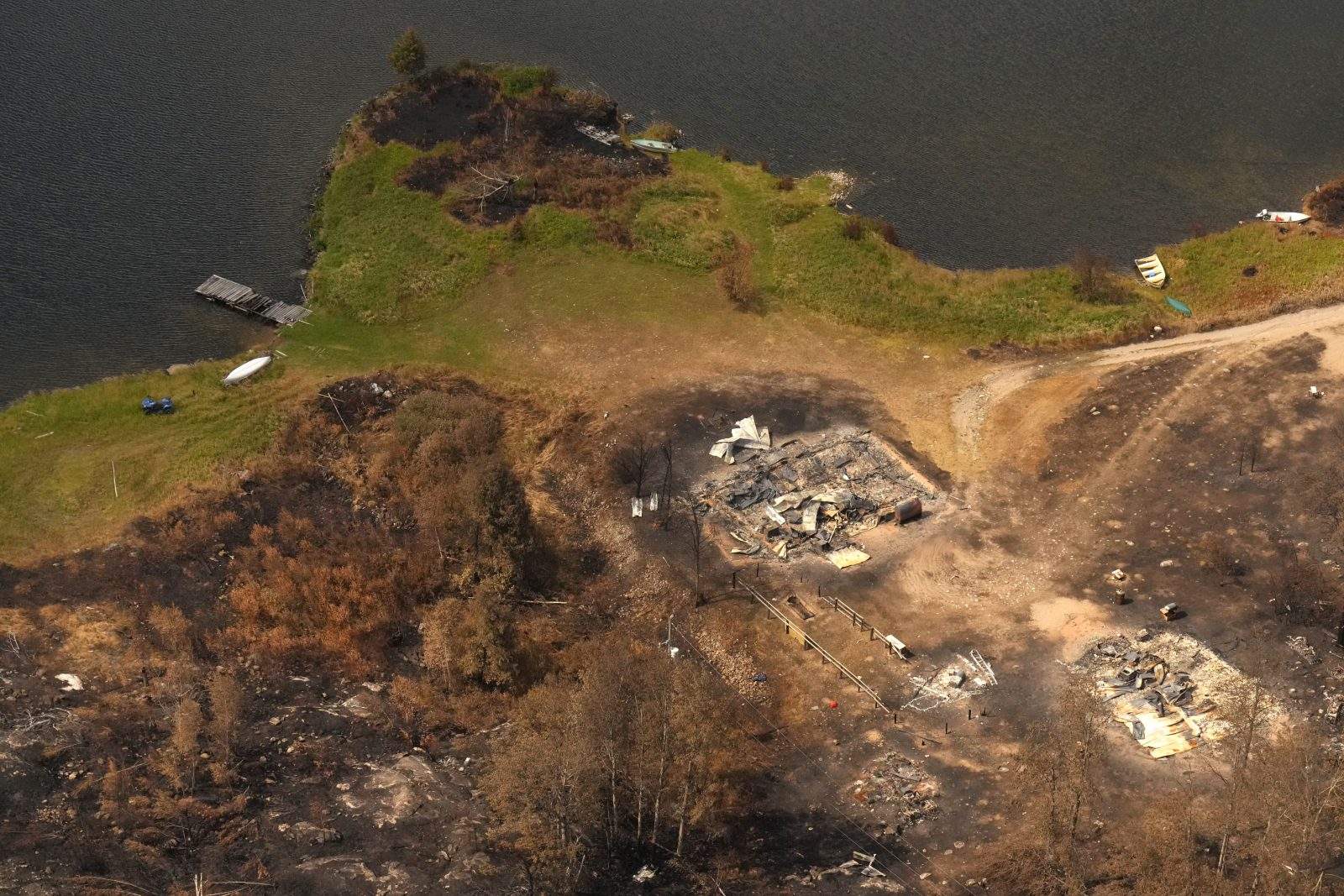
Evacuating your home because a wall of fire is moving your way changes everything. You pack what matters in ten minutes, leave your pets' favorite toys behind, and drive out through thick, choking smoke. Right now, families across northern Ontario are facing the opposite emotional jolt. They're going back.
Ontario's emergency management teams are actively managing the phased repatriation of northern communities displaced by severe wildfire activity. It isn't just a matter of unlocking the front door and turning the power back on. Getting people safely back into towns like Red Lake, Pikangikum, or similar remote northern settlements takes massive coordination, careful air quality monitoring, and a whole lot of patience.
If you're wondering how governments decide it's safe to bring thousands of people back into the bush, let's break down the reality on the ground.
The Fire Doesn't Just Stop Burning
Most people think once a fire is labeled "held" or "under control," the danger completely disappears. That's a dangerous myth.
Fire crews measure incidents in stages. They go from out of control to being held, then under control, and finally extinguished. But in remote northern regions, "under control" just means the perimeter isn't expanding right now. Smoldering peat moss, hot spots buried underground, and massive burned timber can linger for weeks.
Ontario's wildfire suppression efforts rely heavily on aerial attacks and ground crews digging hand lines. When officials talk about repatriation, they look at specific danger markers:
- Active fire behavior within a risky proximity to access roads.
- Wind direction forecasts for the next forty-eight hours.
- The integrity of local electrical grids and water treatment plants.
- Emergency healthcare availability in the immediate area.
Smoke is the silent hazard most people forget about. Even if the flames are ten miles away, a shift in the wind can blanket a community in toxic particulate matter. Bringing back vulnerable populations—like infants, seniors, or people with chronic respiratory issues—while the air quality index is hazardous is a recipe for disaster.
What Infrastructure Repairs Actually Entail
You can't just flip a switch and bring a town back to life after an evacuation order lifts. Municipal crews face a massive checklist before welcoming residents.
Water treatment facilities often lose power during heavy fires. Backup generators keep critical systems running, but once fuel runs low or smoke damages intake valves, systems go down. Before anyone drinks tap water, testing labs must confirm there's zero contamination from ash, fire retardants, or runoff.
Power lines take a beating, too. Trees burning near poles drop lines, leaving communities in the dark. Hydro workers have to walk miles of rough terrain to string new wire while dodging falling branches and active flare-ups.
Roads present another headache. Fire-weakened trees lean precariously over highways. Rocks and soil slide down slopes stripped of vegetation by intense heat. Provincial police and transportation crews have to clear these hazards before bus convoys or personal vehicles roll back in.
The Emotional Toll of Returning Home
Physical rebuilding is hard. The psychological weight is heavier.
Imagine walking into your kitchen after three weeks away. The fridge smells terrible because the power failed on day two. The windows are coated in a fine layer of soot. You look out the back window and see the forest line—once green and lush—turned into a graveyard of black, skeletal sticks.
Communities face collective burnout. Local leaders, volunteers, and emergency workers run on adrenaline for weeks during the peak of the crisis. By the time repatriation starts, everyone is exhausted.
Support systems matter immensely here. Mental health professionals travel with returning convoys or set up local clinics immediately. People need space to process the shock of what almost happened.
How to Stay Prepared for Future Shifts
Wildfire seasons in Ontario aren't getting any calmer. If you live anywhere near the boreal forest, you need a personal playbook. Don't wait for an alert.
Keep an emergency go-bag ready by your front door. Pack important documents, essential medications, chargers, and three days of clothing. Make a communication plan with family members spread across different cities. Know your local municipality's official information channels so you aren't relying on rumors flying around social media.
Repatriation marks the final chapter of a local disaster, but it's rarely a return to normal overnight. It's a slow, careful rebuilding process rooted in caution, science, and community resilience. Pack your patience, keep supporting your neighbors, and stay alert to changing conditions.


