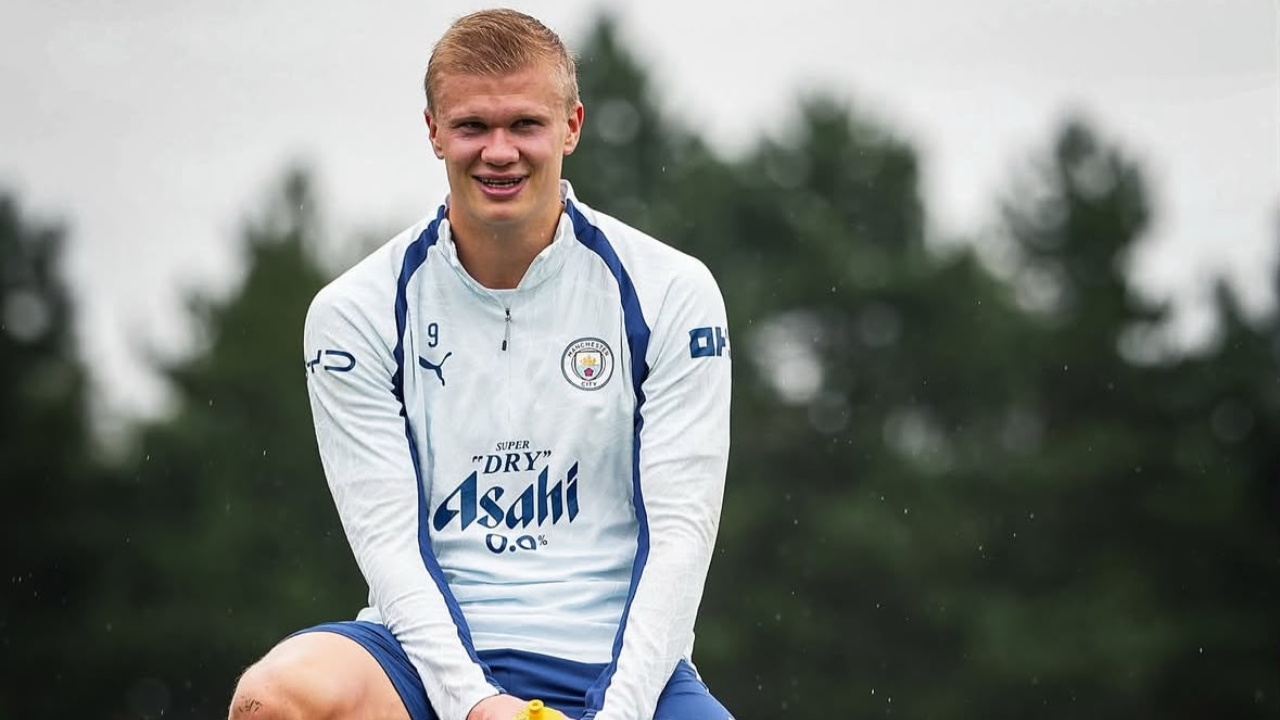
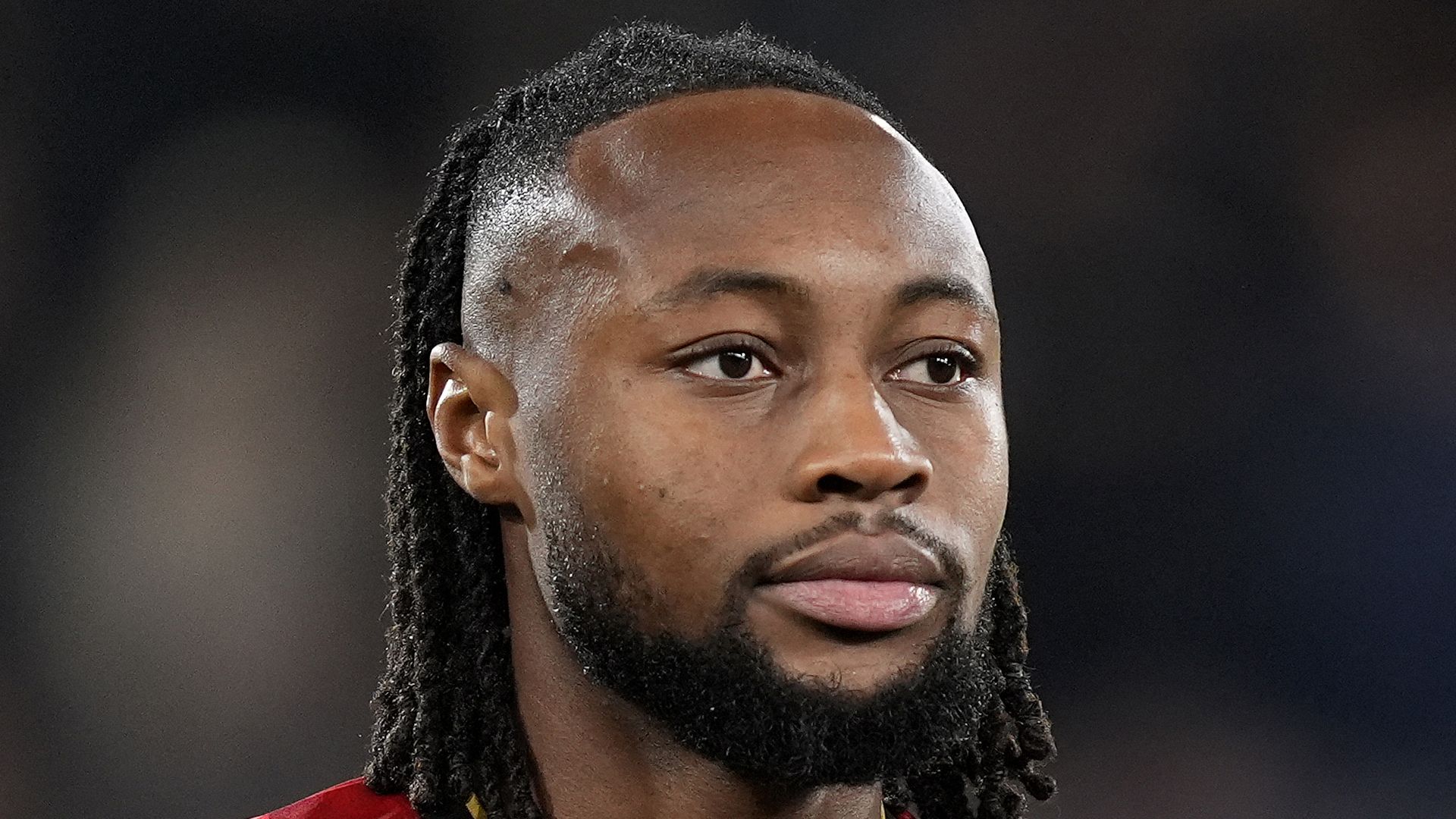
Rain smells different in Manchester at night. Cold iron, wet tarmac, and the faint, sweet exhaust of thousands of buses idling near Eastlands two hours before kickoff. If you have stood on that concourse with a lukewarm pint while the PA system loops the Champions League anthem, you know the exact frequency in the air. Not excitement. Dread dressed up as glamour.
Manchester City against Paris Saint-Germain is never just ninety minutes of football. On paper, a standard match report will tell you about possession percentages, expected goals, pressing triggers, and league table standings in the modern Champions League format. Useful. Necessary, even. Yet those box scores read like an autopsy of a storm. They measure the rain after it falls and miss the pressure dropping in the barometer at four in the afternoon.
I have watched enough European nights from press boxes and cramped living rooms to admit something uncomfortable: I sometimes lose track of the ball. Not because I am careless, though my eyes still betray me when a winger cuts inside at thirty kilometers an hour. Because the real battle happens five yards away from the ball, in the micro-decisions of full-backs checking their shoulders, midfielders counting seconds before the press arrives, and coaches staring at touchline tablets while trying to look unbothered for the cameras.
To see why a fixture between Manchester City and PSG carries such a particular weight, we have to step back from the live ticker and look at what two modern football superpowers actually represent when they share a pitch.
Two Projects Built on High Wire
Both clubs know the ache of waiting. For decades, Manchester City lived in the shadow of a city rival that seemed to hoard silverware like winter firewood, turning every trip to Wembley or Europe into an exercise in gallows humor. Paris Saint-Germain carried a different kind of history—a proud capital city with a club that flashed brilliance in bursts, only to stumble in European nights that felt scripted by a cruel playwright.
When both clubs entered the era of heavy sovereign and institutional investment in the late 2000s and early 2010s, critics treated them like visitors who had bought a ticket to the opera without knowing the language. Money can buy world-class talent, medical staff, analysts, and stadiums. It cannot buy muscle memory. It cannot buy the quiet certainty of a dressing room that has survived a thousand hostile nights without flinching.
Think of it like building a suspension bridge while traffic is already crossing. Every time City or PSG stepped onto the Champions League pitch in those early years, a single slip in concentration meant the cables groaned under weight they were not yet cured to bear.
Let us use a hypothetical scenario to make the human cost concrete. Picture Tariq, a fictional twenty-six-year-old central midfielder from Marseille who grew up watching European football on a cracked television screen, now starting a Champions League tie at a roaring stadium. Thirty minutes into the match, he makes a pass two yards behind his winger. Not a terrible pass. A normal pass on a wet pitch. In a league match on a mild Saturday afternoon, his teammate shrugs, jogs back, and they reset. Under Champions League floodlights against a side like Manchester City or PSG, that two-yard delay is an invitation. A press triggers in 0.8 seconds. A turnover happens. Hearts spike. Fifty thousand voices swell into a single low roar that vibrates inside Tariq's ribs.
That is the hidden variable missing from most live blogs. Players are human beings operating with elevated heart rates, narrowed peripheral vision from adrenaline, and the constant awareness that millions of people are dissecting their posture on social media before the replay even finishes.
Why Live Scores Only Tell Half the Story
If you open a live match tracker during Manchester City vs PSG, the numbers update in real time. Shot attempts. Corners. Yellow cards. Goal timestamps. If you are looking for how to watch the match, where to follow live commentary, or how the fixture shapes a European campaign, those updates are essential practical tools. You need to know when a key starter drops out in the warm-up or when a tactical switch alters the shape of a midfield three.
Still, a live score is a snapshot, not a story. A team can hold sixty-eight percent of the ball and feel suffocated every time the opponent breaks past the halfway line. Another team can spend forty minutes defending inside its own penalty area, legs heavy, lungs burning, waiting for one clean transition to silence an entire stadium.
When I cover or watch a tie between Manchester City and PSG, I look for three quiet telltales before I ever glance at the shot map:
- First-touch composure under the initial press: Does the center-back play forward into a tight lane, or does he kick long to buy three seconds of breathing room?
- Full-back spacing: When a team attacks through inverted wide players or overlapping runners, how much grass is left behind them if possession is lost?
- Bench body language around minute sixty: Who is already pulling on a training bib with deadpan focus, and who is leaning back looking stunned by the pace?
Those details explain momentum shifts long before a goal hits the net. A match rarely turns on a random miracle. It turns on fatigue creeping into a hamstrings group at minute sixty-four, a half-step lost when tracking a late runner into the box, or a manager's nerve holding steady when the crowd demands panic.
The Weight of Expectation on Both Benches
There is a peculiar loneliness in managing or playing for a club expected to win every time it steps onto the grass. When you are the underdog, every defensive block is celebrated like a minor triumph. When you are expected to dominate, controlling eighty percent of the match can still leave you feeling like you owe the room an apology if you do not score twice before halftime.
Consider how differently pressure lands on Manchester City and PSG depending on the moment. City's identity has long been tied to positional control, intricate patterns, and relentless repetition—a system so drilled that players often know where a teammate will be before the ball arrives. That precision is breathtaking when it clicks. It can also feel unforgiving when an opponent packs the central corridors and forces side-to-side circulation that tests everyone's patience.
PSG, by contrast, has often carried a magnetic, volatile energy—a blend of Parisian flair, high-speed transitions, and star power that can tear open a game in three passes. Yet that same attacking freedom can leave spaces behind the midfield if the collective press loses half a beat.
Here is a metaphor to frame that contrast clearly: positional dominance is like a watchmaker assembling gears under a magnifying glass, while high-velocity transition football is like a sprinter launching out of the blocks the instant a rival stumbles. Both require immense discipline. Both can break when the pressure spikes.
And what about the supporters? Let us introduce another hypothetical character—this time in Paris. Imagine Camille, a night-shift hospital nurse in the twelfth arrondissement who sets an alarm, brews strong coffee, and watches the match alone because her schedule leaves little room for noisy bars. For ninety minutes, her exhaustion belongs to a blue-and-red shirt. When PSG scores, she claps once, quietly so she does not wake her neighbors, and feels a brief, sharp rush of belonging. When they concede a late goal, the silence in her apartment feels heavier than it should.
Why does a football match feel so personal to people who have zero financial stake in the outcome? Because human beings are wired for tribal ritual and shared suspense. Sport gives us safe danger. We get to feel fear, hope, betrayal, and joy in two-hour increments, then walk outside into the real world and carry on.
Tactics in Real Time, Without the Jargon
Tactical analysis sometimes buries simple truths under heavy vocabulary. Strip away the diagrams and arrows, and a clash between Manchester City and PSG usually comes down to spatial duels and timing.
If one side presses high in a man-to-man shape, the other tries to pull defenders out of position with quick one-twos or a sudden switch of play to the weak side. Whoever wins those two-second pockets in midfield usually dictates whether the game is played on the front foot or spent chasing shadows.
Even the best teams wobble when those pockets open. I have watched elite squads concede twice in ten minutes after looking untouchable for the first half hour. Why? Because football is played on grass, not on a whiteboard. A slick patch of turf, a clipped ankle that goes unpunished, or a referee letting physical contact flow can flip the rhythm of an evening in a heartbeat.
That uncertainty is the exact reason people refresh live feeds, debate lineups hours before kickoff, and argue over post-match verdicts until midnight. If the stronger squad always won cleanly, Champions League nights would be a formality rather than an obsession.
What Stays in the Memory After the Final Whistle
Nobody remembers every pass from a classic European tie. Five years later, nobody recites the xG decimal to two places over dinner. What stays is a feeling. The way the stadium lights turned mist silver above the pitch. The gasp when a shot grazed the outside of the post. The quiet walk back to the station when the crowd speaks in low voices, replaying the one chance that slipped away.
A fixture between Manchester City and PSG distills modern football into its sharpest contrast: meticulous structure against explosive unpredictability, global spotlight against local longing, cold numbers against warm human nerves.
Long after the live scoreboard goes dark and the highlight clips loop for the hundredth time, the real measure of the night is simple: did it make your pulse rise when the ball drifted toward the penalty spot in the dying minutes?
Under the bright white glare of European floodlights, ninety minutes is barely enough time to breathe, let alone decide who owns the night.