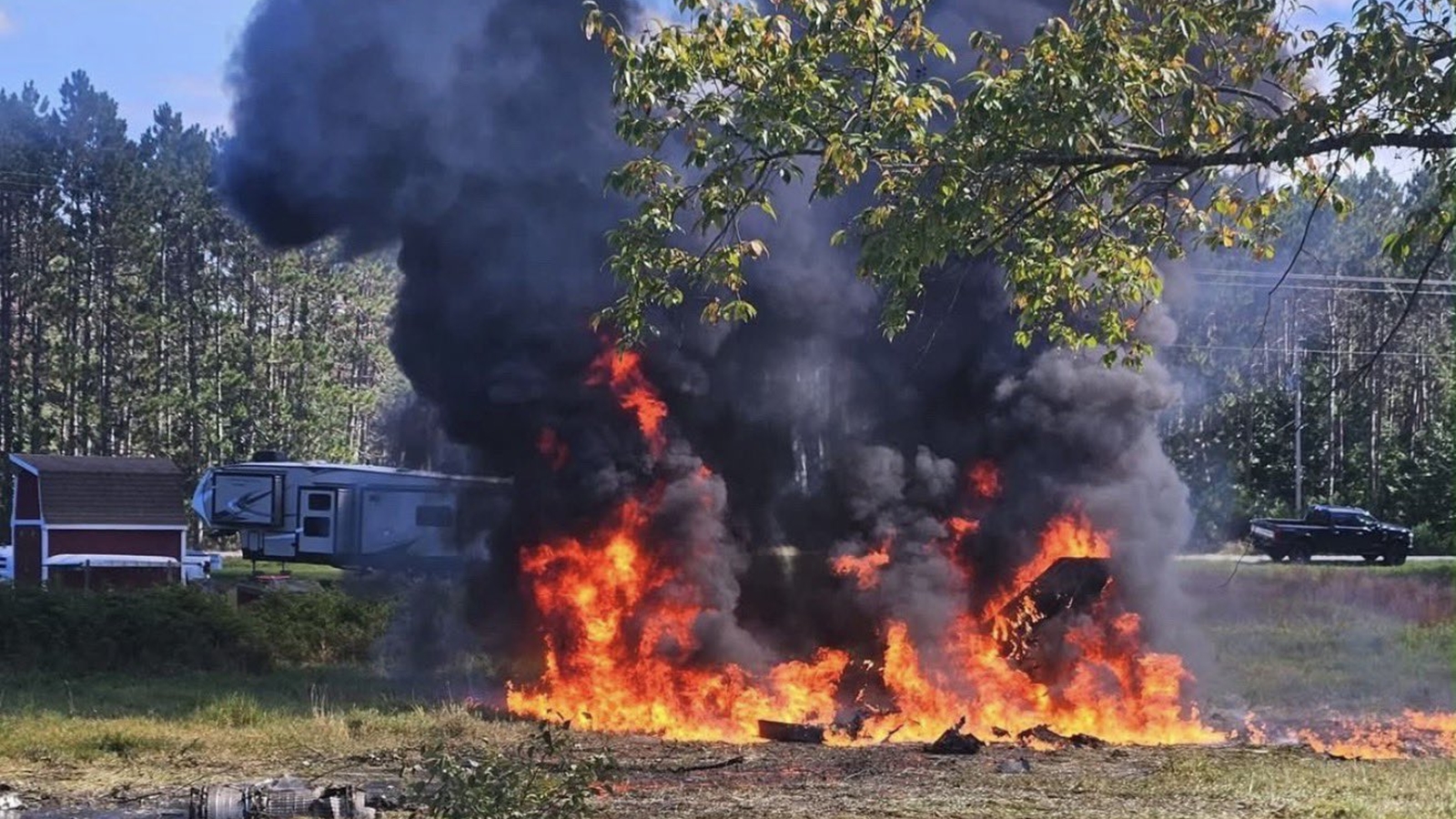
Military training flights look routine until things go sideways. On a Thursday in September, an F-16 Fighting Falcon assigned to the Texas Air National Guard's 149th Fighter Wing went down in a rural area near Traverse City, Michigan.
The pilot punched out. That single decision turned a catastrophic aviation disaster into a survivable ordeal. In other developments, take a look at: Sixty Years In Prison Does Nothing To Fix The Broken Mechanics Of International Justice.
Let's look at what actually went down during this incident, why military exercises carry hidden local risks, and how modern ejection systems save lives when high-performance jets fail.
The Crash and the Immediate Aftermath
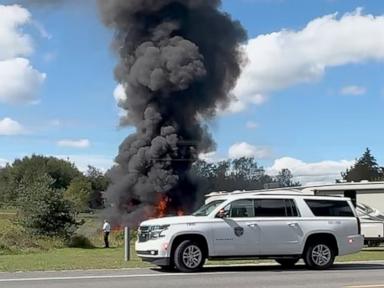
The jet was operating out of the Alpena Combat Readiness Training Center during a routine training rotation. Local residents didn't expect a fireball in their backyard. Witnesses near the crash site reported hearing a jarring noise that initially sounded like a highway car wreck, followed by billowing black smoke and recurring secondary explosions. The Washington Post has provided coverage on this critical issue in great detail.
Debris scattered across an open field. Fortunately, nearby houses and campers escaped direct impact.
Local authorities didn't just worry about fire. They issued temporary evacuation orders for a one-mile radius around the wreckage. Why? Because fighter jets carry hazardous materials that remain volatile even after an impact.
The Danger Nobody Talks About: Hydrazine
When people think of airplane crashes, they picture jet fuel. But high-performance military aircraft like the F-16 harbor other chemical hazards.
The jet relies on hydrazine to power its Emergency Power Unit (EPU). If the main engine cuts out mid-flight, hydrazine kicks in instantly to supply hydraulic pressure and electrical power so the pilot retains flight controls.
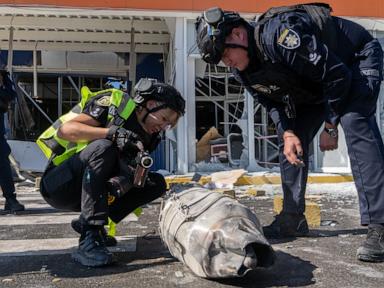
It's a lifesaver in the air, but it's wildly toxic on the ground. Hydrazine is corrosive, volatile, and dangerous to inhale or touch. When the F-16 crashed in Michigan, local police and hazmat teams had to treat the site with extreme caution because of hazardous chemical spills leaking from the wreckage. First responders aren't just putting out fires; they're managing chemical containment zones.
Why Training Accidents Happen
People always ask how an experienced pilot flying an iconic, battle-tested aircraft like the F-16 ends up bailing out in a farm field.
Military aviation is inherently unforgiving. Air National Guard units push aircraft through rigorous tactical scenarios that simulate high-stress combat environments. Training pushes both machine and human to the edge. Whether it's a sudden mechanical failure, an engine malfunction, or an unexpected system fault, things happen in seconds.
When a multi-million-dollar fighter jet starts behaving unpredictably at low altitude, pilots aren't paid to be heroes who ride a broken machine into the ground. They are trained to evaluate the aircraft, point it away from populated areas if possible, and pull the ejection handle.
Surviving the Worst-Case Scenario
Modern ejection seats are engineering marvels. When the pilot yanked the ejection cord, rocket motors propelled them clear of the doomed airframe in a fraction of a second, well clear of the tail assembly.
The pilot was recovered and taken to a local hospital for evaluation. While military public affairs officials withheld specific medical details and the pilot's identity under standard privacy guidelines, surviving a Class A mishap—defined by the military as an incident resulting in the destruction of an aircraft or severe damage—is a testament to modern aerospace safety design.
Incidents like this remind us that military readiness comes with real, everyday risks right here on home soil. Exercises like Operation Northern Cactus keep pilots sharp for overseas threats, but they also bring complex tactical machinery over civilian backyards.
The investigation into the exact root cause of the mechanical failure remains ongoing by military safety boards. Until the formal accident report drops, the focus stays on the quick thinking that kept a routine training flight from turning into a community tragedy.
An F-16 Fighter Jet Crashes in Northern Michigan; Pilot Ejects Safely
This video provides local news coverage and visual context regarding the F-16 crash site in Michigan.