Cruise ships are basically floating cities, and when something goes wrong with the plumbing or the air quality, everyone notices. But when a group of passengers gets evacuated to a high-security isolation facility in the UK due to a Hantavirus scare, the internet starts acting like it’s 2020 all over again. Relax. It isn't.
British authorities recently moved several individuals from a cruise vessel into a specialized infectious disease unit. While the phrase "isolation facility" sounds like the start of a pandemic thriller, it’s actually a sign that the system is working exactly how it should. You shouldn't be losing sleep over this, but you should understand why health officials took such drastic-looking measures.
The Reality of Hantavirus on the High Seas
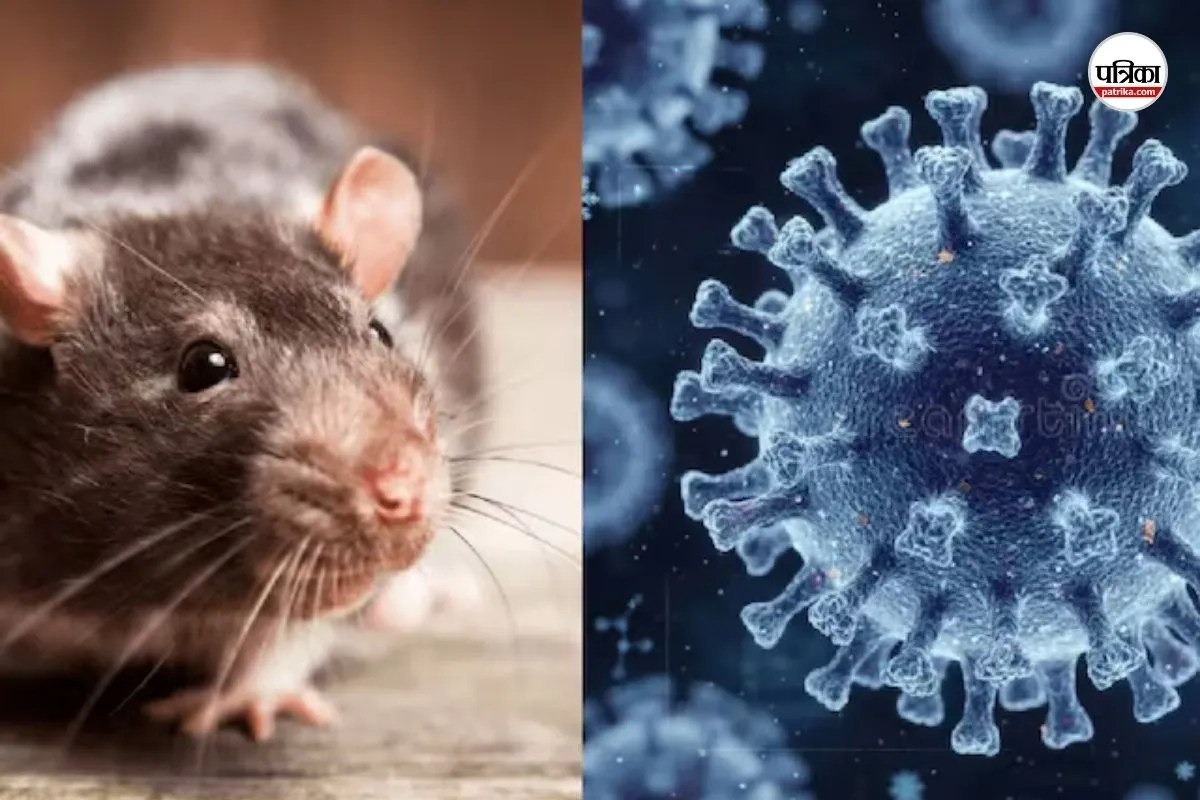
Hantavirus isn't some new, mysterious pathogen. It’s a well-documented respiratory and sometimes hemorrhagic virus usually spread by rodents. Specifically, humans catch it by breathing in air contaminated with the droppings, urine, or saliva of infected mice and rats. It’s a "spillover" virus. That means it doesn't typically jump from human to human.
That single fact changes the entire narrative. If these passengers were sick with something like measles or a new strain of flu, we'd be talking about a potential national crisis. With Hantavirus, the risk to the general public in the UK is essentially zero. The evacuation to a specialist facility is about providing the highest level of care for the patients and ensuring that just in case this is an atypical strain, it stays contained.
Cruise ships are tight spaces. They have complex ventilation systems and massive food storage areas. If a rodent problem exists on a ship, the risk of a Hantavirus outbreak becomes a very real logistical nightmare for the operator. But for you standing on the pier? You're fine.
Why the UK Uses High Level Isolation Units
The UK has some of the most sophisticated biocontainment facilities in the world, like those at the Royal Free Hospital in London. These aren't just hospital rooms with the door shut. They use negative pressure systems so that air only flows in, not out. Doctors wear "space suits" with independent air supplies.
You might ask why they’d use this for Hantavirus if it doesn't spread between people. The answer is simple: Precaution.
Public health officials don't like to guess. When passengers show symptoms of a severe respiratory illness after being in an environment where they could have been exposed to multiple pathogens, the "overreact now, apologize later" rule applies. It’s much easier to de-escalate from a high-security isolation unit than it is to track down a thousand people because you let a patient sit in a standard GP waiting room.
The symptoms of Hantavirus Pulmonary Syndrome (HPS) start off looking like a bad case of the flu. Fever, muscle aches, and fatigue. But it can quickly turn into severe shortness of breath as the lungs fill with fluid. At that point, the mortality rate is high—around 38% according to the CDC. That’s why these passengers aren't just being "quarantined"; they're being monitored by the best experts in the country.
How Rodents Get on Luxury Cruises
It sounds gross, but it happens. No matter how many millions a company spends on gold-plated faucets and infinity pools, they're still operating a massive vessel that docks in various ports around the world. Cargo comes on, waste goes off. Rats are opportunistic.
The investigation into this specific evacuation will focus on the ship’s "vector control" protocols. Did a specific batch of supplies come from a warehouse with an infestation? Was there a breach in the ship’s hull or docking lines?
Most modern ships use "rat guards"—those large metal discs you see on the ropes tying the ship to the dock. They're simple but effective. However, if one person leaves a side door open during a late-night supply delivery in a tropical port, the damage is done. Once a rodent is on board, the labyrinth of cables and pipes provides a perfect highway to move between decks without ever being seen by a passenger.
Don't Cancel Your Vacation Just Yet
Whenever a story like this hits the headlines, travel agencies see a spike in cancellations. People see "virus" and "cruise ship" in the same sentence and assume the worst.
Honestly, you're more likely to get Norovirus (the "stomach flu") from a contaminated buffet spoon than you are to contract Hantavirus on a ship. Norovirus is the real king of cruise ship illnesses because it’s incredibly hardy and spreads like wildfire through human contact. Hantavirus is an outlier. It’s a freak occurrence that usually points to a very specific, localized failure in sanitation rather than a systemic risk to the cruising industry.
If you’re worried, look at the ship’s sanitation scores. In the US, the CDC’s Vessel Sanitation Program (VSP) does unannounced inspections and publishes the results. Most major lines score in the 90s. If a ship scores below an 86, it’s considered a fail. Check the records before you book.
Managing the Public Perception Gap
The government and the media often struggle to communicate risk. By calling it an "evacuation to an isolation facility," they trigger a "hot zone" mental image in the public's mind. It sounds like a scene from a movie.
In reality, this is a clinical success story. The ship’s medical team identified a risk, they alerted the authorities, and the UK’s infectious disease infrastructure swung into action. This is exactly what we pay taxes for. It’s the "boring" side of medicine that keeps things from becoming actual disasters.
We need to stop treating every medical isolation like a precursor to a lockdown. High-consequence infectious disease (HCID) protocols are there to protect the hospital staff and other patients just as much as the public. By moving these passengers to a dedicated facility, the local hospitals in the port area stay open and safe for everyone else.
What Happens to the Other Passengers
The people remaining on the ship aren't necessarily in danger, but they’re definitely in for a frustrating few days. Health officials will likely conduct "contact tracing," which in this case means identifying anyone who might have been in the same storage areas or quarters where the rodent exposure occurred.
They’ll also be looking for any signs of fever or cough among the crew. If you're on a ship where this happens, expect a lot more bleach smells and a lot less "self-service" at the buffet. The crew will go into overdrive cleaning every square inch of the vessel.
Staying Safe While Traveling
You can't control if a mouse hitches a ride on your cruise ship, but you can control your own hygiene.
- Wash your hands. Soap and water beat sanitizer every time when it comes to many ship-borne illnesses.
- Report sightings. If you see a rodent or signs of one (droppings), don't just tell a waiter. Tell the medical center or the guest relations desk immediately.
- Watch the vents. If your cabin smells musty or like urine, ask to be moved. It’s probably just a damp AC filter, but it’s better to be safe.
The UK evacuation isn't a sign of a new epidemic. It’s a sign of a country that takes biosafety seriously. The passengers in that facility are getting the best possible care, and the rest of us are perfectly safe. Stop doom-scrolling and check the sanitation reports instead.
If you're currently booked on a cruise, your next step should be checking the official health notices for your specific ship. Most major lines provide these updates directly on their portals. If the ship has a clean record and high VSP scores, keep your bags packed. One isolated incident in the UK doesn't change the fact that cruising remains one of the most regulated and inspected forms of travel on the planet.