Public opinion polls rarely capture absolute truth, but they are exceptional at mapping the tectonic shifts of political fatigue. Recent data from the Pew Research Center and the Chicago Council on Global Affairs reveal a quiet, counter-intuitive reality: the American public is slowly thawing toward China. The proportion of U.S. adults holding an intensely cold view has receded from its pandemic-era extremes, while favorability metrics have crept upward.
This movement defies the loud, unyielding drumbeat of bipartisan hawkishness coming out of Washington. For years, the official narrative in the capital treated the bilateral relationship as an inevitable prelude to economic decoupling or worse. Yet, ordinary citizens, battered by domestic inflation, political polarization, and exhaustion from endless foreign crises, are recalibrating how they view the world's second-largest economy.
To understand why this shift is occurring, one must look past the headline numbers and examine the mechanics of public weariness. The average American is not suddenly enamored with Beijing's political model. Instead, threat fatigue has set in. When every international actor is painted as an existential threat, the label eventually loses its sting.
Economic pragmatism plays an unacknowledged role in this softening. Despite aggressive tariffs and protectionist measures intended to sever commercial ties, everyday consumption patterns persist. Supply chains proved remarkably stubborn, and consumers caught between rising domestic costs and geopolitical rhetoric are increasingly favoring engagement over containment. Polling figures show a clear majority of Americans prefer diplomatic and commercial engagement over active economic isolation.
A significant generational chasm underpins these numbers. Younger demographics, including Millennials and Generation Z, view global power dynamics through a vastly different lens than older cohorts. Having spent their formative adult years navigating domestic economic instability, climate anxiety, and social upheaval, younger citizens place lower priority on traditional geopolitical dominance struggles. They are markedly less inclined to view China's rise as a direct civilizational threat.
Political polarization also distorts and directs these sentiment lines. While Republican voters remain deeply skeptical of Beijing, the degree of outright hostility has moderated from the peaks of previous years. Among Democrats and independent leaners, favorability metrics have registered consistent, incremental gains. This divergence highlights a reality of modern American foreign policy: public sentiment toward foreign adversaries is frequently tethered to domestic leadership cues. When top political figures adopt transactional diplomacy or moderate their public rhetoric ahead of high-profile summits, public opinion follows suit.
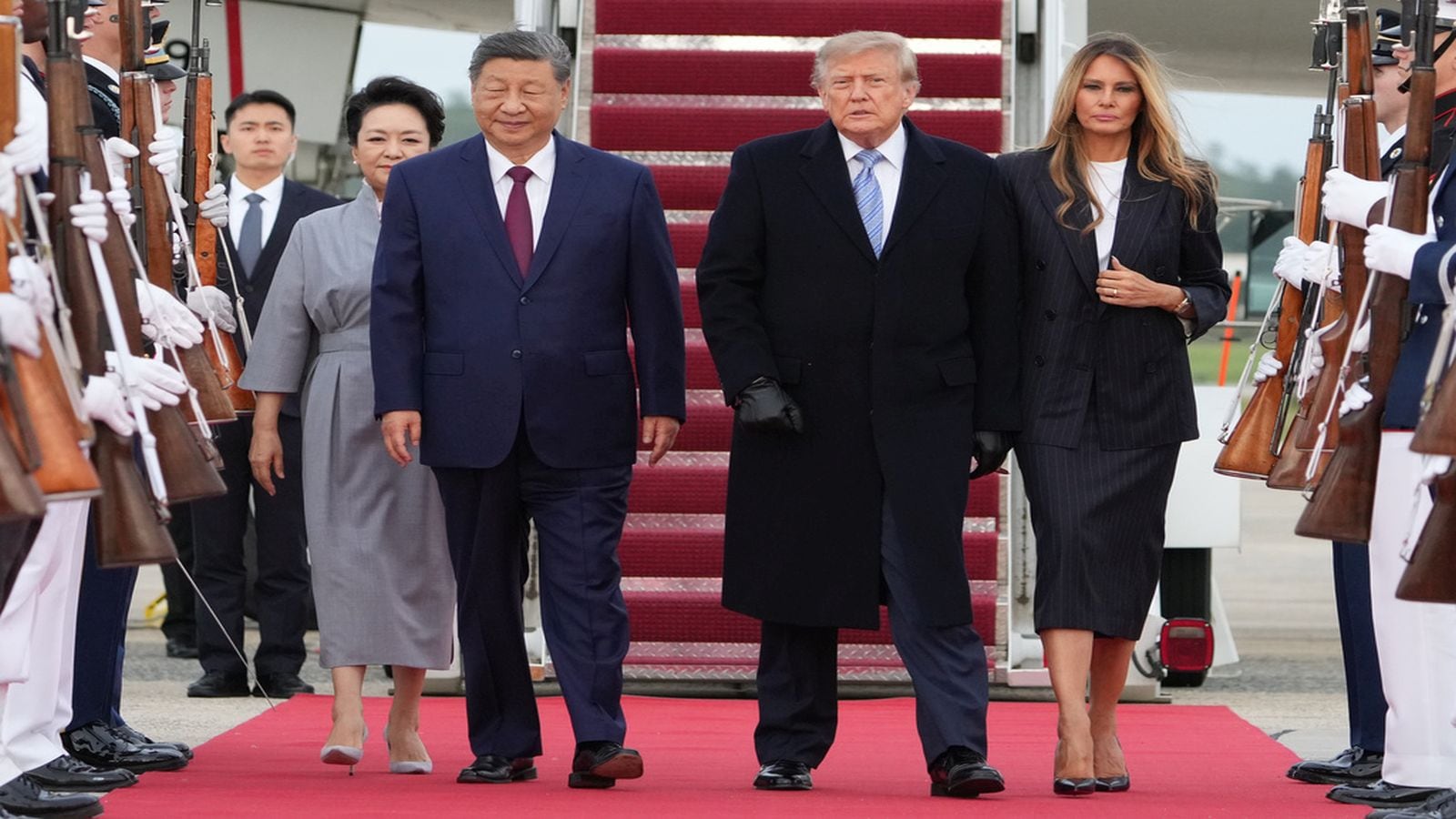
Diplomacy remains a theater of optics. High-level summits between U.S. and Chinese leadership invariably create a temporary narrative bubble where confrontation takes a back seat to handshakes and trade talks. The public sees the leaders talking, and the immediate perception of imminent crisis recedes.
Yet, this numerical warmth should not be mistaken for strategic trust. Skepticism remains the dominant baseline. Most Americans still categorize China primarily as a competitor rather than a partner. The foundational structural friction points—intellectual property concerns, regional security in the South China Sea, and technological supremacy—remain entirely unresolved.
What has changed is the appetite for perpetual hostility. The American public appears weary of a foreign policy defined exclusively by enemies and zero-sum games. Whether this minor statistical softening translates into long-term policy changes depends heavily on how political leaders choose to harness—or ignore—the quiet pragmatism of an exhausted electorate.