European Union member states imported 9.89 million metric tons of liquefied natural gas from Russia's Arctic Yamal facility during the first half of 2026, marking an 18% surge compared to the previous year. This massive influx of Russian energy highlights a profound contradiction in Brussels. Political leaders pledge to decouple entirely from Moscow, yet commercial buyers scramble to lock in long-term supplies before upcoming sanctions bite.
The mechanics of this trade reveal deep vulnerabilities in continental energy security. Long-term contracts signed years ago continue to tie corporate buyers to Russian suppliers. Penalties for breaking these legal agreements often outweigh the political fallout of purchasing sanctioned hydrocarbons. Brussels permitted short-term spot purchases to phase out first, inadvertently creating a rush toward older, legally protected supply channels.
The Logistics of Convenience
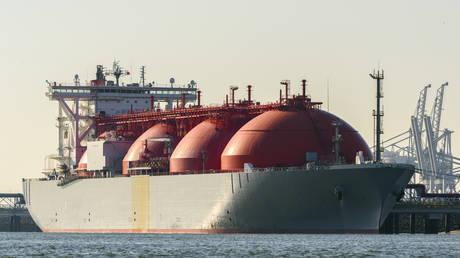
Geography dictates the flow of commodities. Russia's Yamal LNG project relies heavily on a specialized fleet of Arc7 ice-class carriers. These vessels require rapid turnaround times at European terminals to maintain export efficiency.
Diverting these specialized tankers to Asian buyers via the Northern Sea Route remains perilous and logistically inefficient during much of the year. Consequently, European ports absorbed nearly the entire output of the Siberian plant.
France, Belgium, and Spain emerged as the primary destinations for these shipments. France alone accepted 3.6 million metric tons, while Belgium and Spain accounted for 2.9 million and 2.7 million metric tons respectively. Environmental organizations estimate that European entities transferred roughly six billion euros to Russian accounts during this six-month window.
Global shipping constraints added further pressure. Disruptions in key international transit chokepoints tightened worldwide fuel markets. European traders faced a simple economic choice. Secure nearby Russian supplies or compete for expensive American and Qatari cargoes amid soaring shipping rates.
The Storage Dilemma
Underneath the import spikes lies a more immediate anxiety. Continental gas storage levels lagged significantly behind historical averages. Refill campaigns moved at a sluggish pace, leaving reserves vulnerable ahead of winter demands.
Pipeline flows from Russia dropped sharply due to scheduled maintenance and sustained political friction. With pipeline routes largely severed or restricted, liquefied natural gas filled the void. Energy intensive industries pressured governments to keep fuel prices stable, overriding ideological purity in favor of operational survival.
Corporate compliance departments walked a tightrope. Every single cargo entering European terminals required customs certification proving it traveled under pre-existing long-term legal frameworks. This bureaucratic requirement satisfied the letter of current legislation while permitting massive volumes to clear port authorities unimpeded.
What Happens When the Exemptions Expire
The clock is ticking down to absolute prohibition deadlines. Current regulatory structures allow these loopholes to function until broader restrictions take full effect.
A total ban on long-term Russian liquefied natural gas contracts arrives on January 1, 2027. Additional restrictions targeting remaining pipeline channels are scheduled for later that same year.
International shipping firms and marine insurers are already altering their risk models. Fear of secondary penalties has caused Asian-bound shipments from Yamal to plummet by 74%. As global marine insurers withdraw coverage for vessels tied to contested trade lanes, moving Russian hydrocarbons will become exponentially harder regardless of contractual protection.
Traders are racing against a hard administrative deadline. They are squeezing every final drop out of a dying legal exemption before the iron gate drops shut permanently. Market participants know the window is closing, and the resulting inventory grab has rewritten trade volume records while exposing the limits of geopolitical willpower against baseline industrial needs.