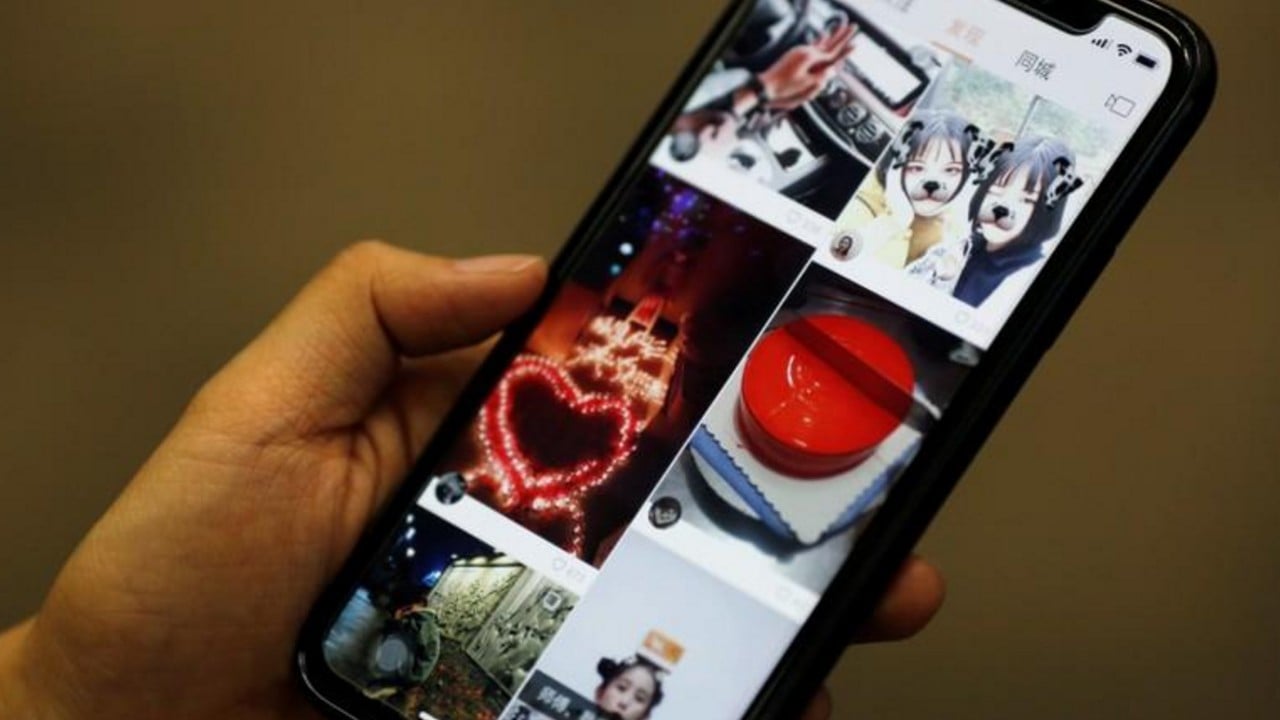
The screen glowed pale blue in the quiet bedroom, reflecting the dark circles under Lin's eyes. It was two in the morning in a high-rise overlooking Shenzhen, and his thumb was moving in a compulsive, rhythmic twitch. Up. Up. Up.
On his phone, an endless parade of perfection flickered past. A glowing sunset over the Li River, rendered with impossible, liquid clarity. A smiling influencer explaining a complex financial concept with teeth too white and skin too smooth, moving with a subtle, uncanny hesitation that felt just slightly off. A glowing recommendation for a newly opened noodle shop that, as Lin knew from walking that exact street yesterday, did not exist. If you enjoyed this piece, you should check out: this related article.
This was the feed on RedNote. It was the torrent on Douyin. It was the crowded chat groups on WeChat.
It was noise. Loud, synthetic, and suffocating. For another perspective on this development, check out the recent coverage from The Verge.
Lin stopped his thumb. He felt a profound, hollow exhaustion. He wasn't learning anything. He wasn't connecting with anyone. He was simply drowning in an ocean of digital carbon copy, a billion echoes bouncing off empty walls.
For the past year, generative artificial intelligence had promised a golden age of creation. Anyone could be an author, a filmmaker, a marketer. The floodgates opened. But when everyone can shout at once, speech becomes static. The platforms that once thrived on human serendipity—the messy thoughts, the blurry photos, the awkward voice notes sent by tired friends—were filling up with algorithmic confetti.
Slop.
That was the blunt, unvarnished word users started using. Digital garbage cooked up by machines to feed machines, designed solely to game recommendation algorithms, capture fleeting attention spans, and siphon advertising pennies.
Then came the silence.
It did not arrive with a dramatic warning siren. It came through quiet policy updates, updated platform guidelines, and algorithmic iron fists coming down across the biggest digital ecosystems in Asia. WeChat started pruning the overgrown garden of automated public accounts. Douyin tightened the screws on unverified, AI-generated video loops and deepfaked narration. RedNote began flagging the glossy, plastic perfection of machine-crafted lifestyle posts.
The authorities and the platforms realized a simple, terrifying truth: if the internet becomes entirely fake, people stop believing anything at all.
Consider what happens when trust evaporates. You see a recommendation for a doctor, and you wonder if the glowing review was spun up by a server farm in Hangzhou. You read an inspiring story about a migrant worker's success, and you discover the face attached to it was hallucinated by a diffusion model. Society cannot function on synthetic trust.
The crackdown was swift, surgical, and overdue.
The Anatomy of the Digital Landfill
To understand why this cleanup mattered, you have to look at how the sludge accumulated in the first place.
Imagine a factory floor that never sleeps. Instead of producing shoes or microchips, it churns out words and pixels. Thousands of articles per hour, regurgitating old news with slightly altered phrasing just to hit search engine keywords. Millions of short videos featuring synthetic voices reading generic self-help platitudes over stock footage of skyscrapers.
This wasn't creativity. It was industrial-scale pollution.
For platforms like WeChat, which bridges messaging, social networking, and daily commerce, this meant the sacred space between family and friends was being choked out by automated marketing bots. You would open a group chat with your college alumni, only to find it flooded with AI-generated essays on ancient philosophy shared by a dormant account that had been hijacked by content farms.
On Douyin, creators discovered that quantity completely overpowered quality. If you could pump out twenty AI-generated clips a day, the sheer volume would eventually catch a wave in the recommendation algorithm. Human creators—painstakingly filming, editing, and pouring actual lived experience into their work—were being priced out by machines that required zero sleep and zero inspiration.
The economic incentive structure was completely broken. Authenticity was a financial liability.
When Tencent, ByteDance, and other tech giants began wielding their banhammers and algorithm adjustments, they weren't just protecting copyright or managing server loads. They were fighting for the psychological real estate of their users.
Platform operators introduced mandatory labeling rules. If you generated content using AI, you had to tag it. If you used automated tools to mass-produce clickbait, your account visibility plummeted. Millions of low-quality accounts vanished almost overnight. The sudden drop in traffic alarmed some digital marketers, but for the average user scrolling through the subway commute, the air suddenly tasted cleaner.
The Human Cost of Hyper-Efficiency
There is a deep irony in our modern technological obsession. We built machines to free up human time so we could spend more of it connecting with each other, being artistic, and thinking deeply. Instead, we used those machines to automate the arts and left ourselves with the tedious chore of filtering out the garbage.
Lin remembers a time before the algorithms took over the curation. Five years ago, social feeds felt like a messy, vibrant neighborhood market. You saw your cousin's blurry photo of a burnt dinner. You read a grumpy rant by an old classmate about public transit. It was flawed. It was imperfect. It was gloriously human.
The rise of AI slop turned that neighborhood into a sterile corporate theme park where every building looks identical, every smile is manufactured, and every voice sounds like a public relations manual.
The recent cleanup across Chinese social media ecosystems represents a rare moment of reckoning. It is a collective admission that frictionless creation leads straight to valueless consumption. When creation costs nothing, the result is worth nothing.
This goes far beyond regional borders or specific apps like WeChat and RedNote. It is a preview of the global struggle facing every digital space on Earth. As generative models become cheaper and more ubiquitous, every platform will eventually face the same fork in the road: become a wasteland of automated noise, or draw a hard line in the sand and demand proof of human effort.
What Remains After the Storm
Back in his apartment, Lin scrolls through his phone again.
The feed looks different. It is thinner, quieter, and strangely refreshing. There are fewer videos promising to change his life in ten seconds. There are fewer articles written by ghosts.
Instead, he sees a video of a local chef in Chengdu whose hands are flour-dusted and scarred from decades of pulling noodles. The lighting is harsh. The audio captures the clatter of the kitchen and the roar of the street outside. The chef stumbles slightly over his words when explaining his grandmother's chili oil recipe.
It is inefficient. It is imperfect.
And for the first time all week, Lin watches the whole thing without looking away.


