The narrative currently circulating is adorable. It suggests that corporate behemoths like Hershey are undergoing a virtuous evolution, pivoting toward "healthier" Halloween options because they care about your waistline. We are told the rise of GLP-1 weight-loss drugs has prompted a noble, consumer-focused shift in product strategy.
It is a convenient fairy tale. The reality is far more clinical, cold, and calculated.
Stop buying the lie that Big Candy is interested in your wellness. They aren't trying to fix your diet; they are simply hedging against the inevitable decline of their junk-food monopoly. This isn't a "healthy makeover." It is a desperate, data-driven survival tactic masquerading as corporate responsibility.
The Myth Of The Health-Conscious Pivot
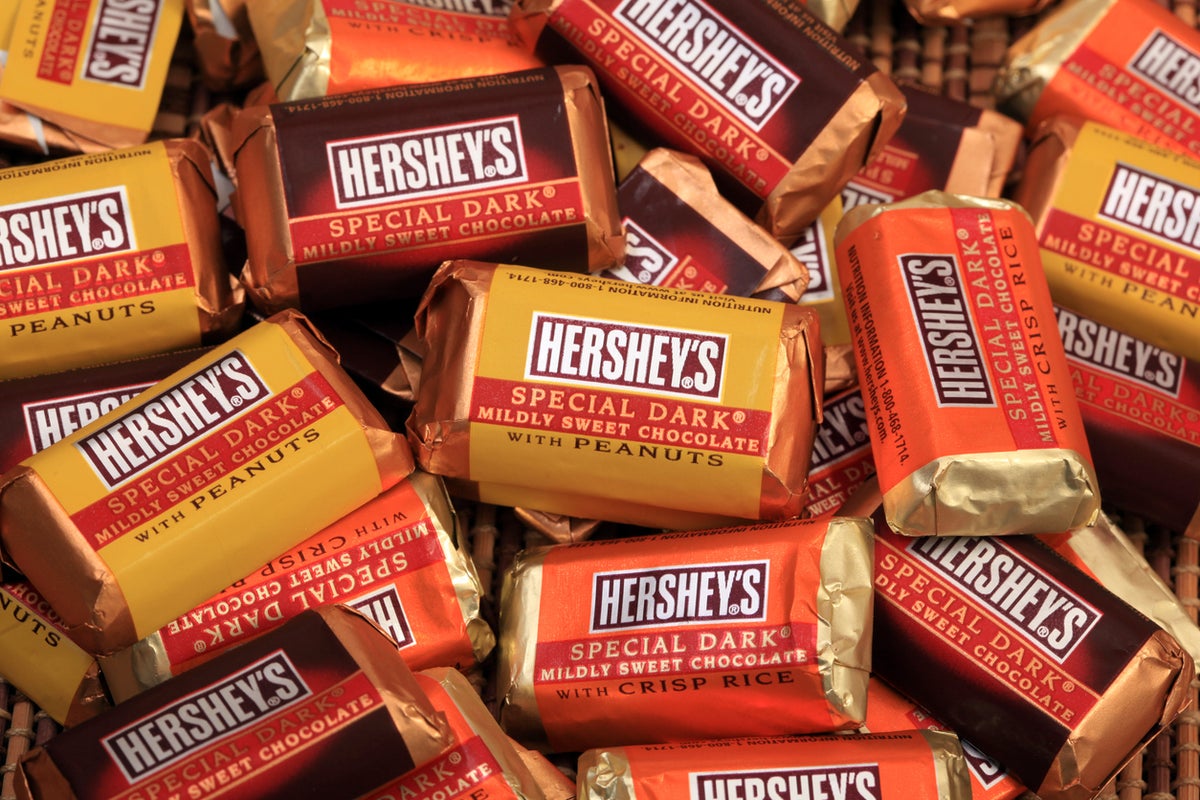
Executives claim they are diversifying into salty snacks like popcorn and pretzels to meet a burgeoning demand for "functional snacking." Let’s translate that. When a company with a century-long dependence on sugar-laden, ultra-processed chocolate begins pumping capital into popcorn and cheese puffs, they haven’t discovered a conscience. They’ve discovered that their primary demographic—people who mindlessly shovel down handfuls of Hershey’s Kisses—is shrinking or, more accurately, changing its chemical makeup via semaglutide.
The industry is terrified of the "mindless munching" death spiral. When consumers take GLP-1s, the neurological reward system that once triggered a binge on cheap chocolate is dampened. The impulsive, high-volume snacking that fueled decades of record-breaking confectionery revenue is evaporating.
Rather than letting that capital flight happen, the giants are simply pivoting to products that offer higher profit margins on smaller volume. It isn't "healthier." It’s just smaller, saltier, and more premium. They don't care if you eat sugar or starch, as long as you keep opening your wallet.
Follow The Ozempic Breath Money
The most hilarious irony in this entire theater is the surge in breath mint sales. While the media frames this as a "functional snacking" triumph, the truth is darker: GLP-1 users are buying mints because their medications cause chronic halitosis and dry mouth—a side effect often dubbed "Ozempic breath."
Hershey is profiting from the physical fallout of the drugs that are eating their lunch. That isn't a strategic health innovation. That is predatory cross-selling. They’ve managed to turn the unpleasant biological side effects of weight-loss medication into a revenue stream. If you think this qualifies as a "healthy makeover," you’ve been thoroughly played.
The Psychology Of The Premium Shift
The industry is betting on a "premium treat substitution effect." They know that if you are injecting yourself with synthetic hormones to suppress your appetite, you are no longer the target for a three-pound bag of discount candy. You are, however, a target for a single, high-end, "artisan" dark chocolate square that costs three times as much per ounce.
This isn't about nutrition. It’s about managing the decline of the mass-market sugar habit by transitioning the customer into a high-margin, low-volume "discerning" consumer. They are essentially cannibalizing their own mid-market reach to protect their bottom line from the physiological reality of modern medicine.
The Truth About Halloween
Every year, analysts point to Halloween as the "pivotal" moment for candy manufacturers. They cite that nearly a fifth of annual confectionery sales happen in this window. They want you to believe that the shift to pretzels and popcorn is a seasonal adaptation.
Look at the data. For years, manufacturers have struggled with "variance"—the minor differences in weight that lead to massive overproduction and waste. They’ve used AI and cloud computing to squeeze every possible margin out of their manufacturing process. Do you truly believe they are now abandoning their most efficient product lines for the sake of your health?
They are optimizing for a future where you eat less. They are using data to calculate exactly how much less you will eat and ensuring that the "less" you consume is more expensive.
How To Actually Navigate The Snacking Trap
If you want to escape the clutches of the food industry, stop looking for "healthier" options from the same companies that spent fifty years engineering the addictive nature of their original products.
- Ignore the branding: A "Zero Sugar" version of a candy bar is still a processed chemical cocktail. The ingredient list is the only truth. If you can’t pronounce the fillers, don’t put them in your body.
- Reject the "substitution" trap: Swapping a candy bar for a bag of "health-labeled" cheese puffs is just changing the delivery method of your metabolic degradation. Both are hyper-processed.
- Control the environment: If the candy is in your house, you will eat it. That is a biological certainty, no matter how much "discipline" you think you have. Don’t buy the "healthier" versions. Just don't buy the snacks.
The corporations aren't changing. They’re just reading the same medical journals you are, and they’re adjusting their business models to ensure they still control your spending even when you’re on the drug.
Don't celebrate their "adaptation." Recognize it as the defensive maneuver of a dying dinosaur trying to rebrand as a mammal. They don't want you healthy. They want you profitable. Keep your guard up.