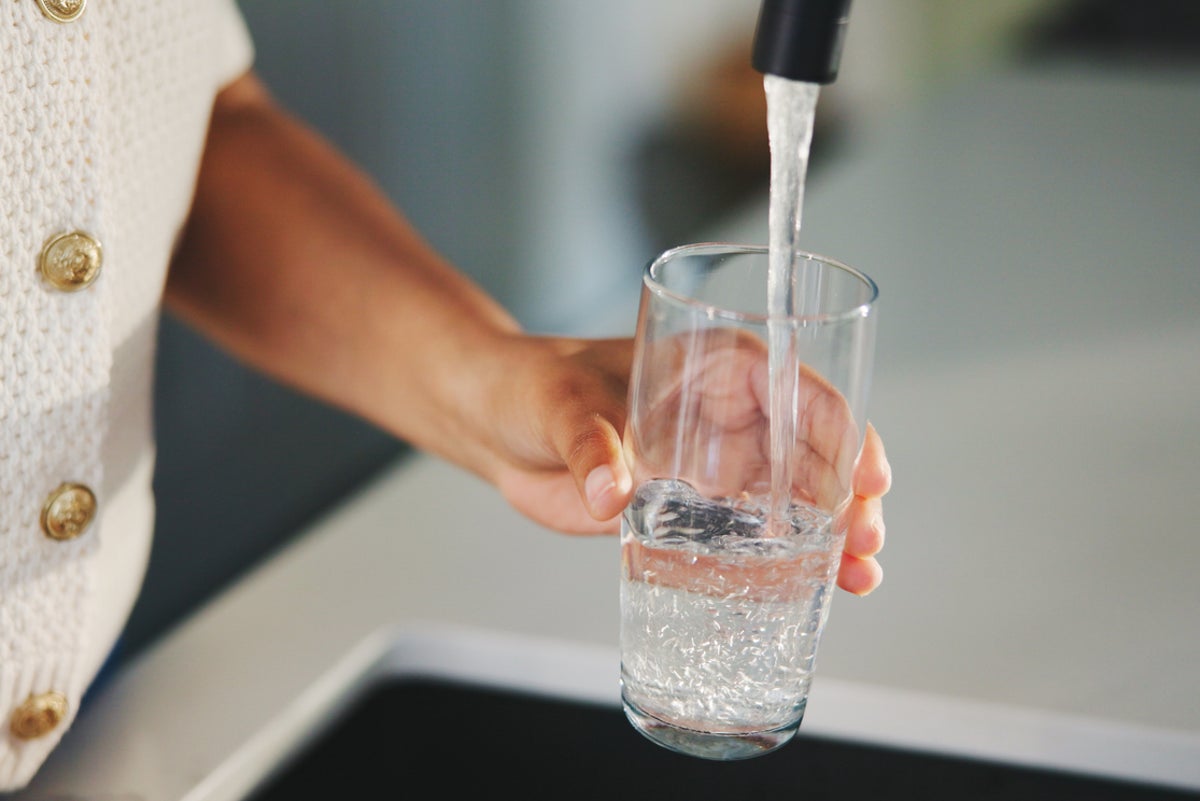
Morning starts the same way for millions in the city of neighborhoods. The faucet squeaks. Cold water rushes through old iron and copper, splashing against stainless steel. You fill a glass, lift it, and drink.
Most people never think about the two rivers. If you found value in this post, you should read: this related article.
They do not picture the Delaware, carving its way down from the Catskill Mountains, or the Schuylkill, winding past old coal towns before it reaches Fairmount Park. These waters carry the life, the history, and the industrial ghosts of Pennsylvania straight to our kitchen sinks. Every single day, three massive treatment plants—Baxter, Queen Lane, and Belmont—pull more than two hundred million gallons of raw river water into a complex mechanical ballet.
The system works. It meets every federal and state safety standard. Yet, looking closely at what comes out of the tap reveals a more nuanced reality. For another perspective on this event, see the recent update from Mayo Clinic.
Consider Marcus, a hypothetical homeowner living in a classic nineteenth-century rowhouse in South Philadelphia. His street is quiet, lined with brick facades and marble steps. Beneath the street runs a water main older than anyone he works with. Inside his basement, a service line connects the city main to his home plumbing.
Marcus turns on his kitchen tap. He assumes the water quality test report he read online applies directly to the liquid in his glass. But water has a long memory.
Between the water treatment plant and Marcus's glass lies an intricate labyrinth of municipal pipes and private interior plumbing. While the Philadelphia Water Department maintains pristine oversight of the supply leaving the plants, the final leg of the journey depends heavily on what your home is built of. Older properties often feature legacy infrastructure. Lead, a quiet intruder, can leach into water from old service lines or interior solder joints when water sits undisturbed overnight.
The city tests. The data flows. Compliance reports show that Philadelphia's drinking water stays strictly within legal frameworks. But "legal" and "absolute zero" are entirely different concepts.
Take disinfection byproducts, for instance. When chlorine is added to raw river water to neutralize harmful bacteria and pathogens, it reacts with naturally occurring organic matter. This chemical handshake creates compounds like haloacetic acids and trihalomethanes. Testing data frequently shows these byproducts hovering slightly above strict health-advocacy guidelines, even while remaining compliant with older federal thresholds.
Then there are the modern arrivals.
Per- and polyfluoroalkyl substances, universally known as PFAS or "forever chemicals," drift silently into our modern environment. Traces of these synthetic compounds have been detected in water sources across the region, mirroring a national industrial footprint. The Philadelphia Water Department actively monitors these levels, running pilot programs and planning multi-million-dollar infrastructure upgrades to prepare for stricter regulatory limits. But upgrading a municipal system that serves one and a half million people cannot happen overnight. It requires time, massive capital investment, and engineering on a grand scale.
Water hardness tells another quiet story. Depending on whether your neighborhood draws from the Schuylkill or the Delaware, your water carries varying mineral loads. Schuylkill water tends to be harder, laden with dissolved calcium and magnesium picked up from the rocks of its watershed. It leaves white crusts around your faucets and scales inside your kettle. It is entirely harmless to human health, but it changes how soap lathers and how your morning coffee tastes.
Taste matters. When chlorine levels spike seasonally or treatment adjustments are made, the tap can carry a distinct chemical sharpness that sends people running to single-use plastic bottles.
Those bottles carry their own hidden cost.
Understanding your tap water does not require a degree in chemistry. It requires awareness. The municipal water coming off the line is heavily monitored, chemically treated, and rigorously tested against hundreds of potential threats every single month. Yet the transition from a major water main to a residential kitchen tap introduces variables that municipal workers cannot control.
This is where responsibility shifts.
Many residents choose to bridge the gap with NSF-certified carbon filtration systems right at the kitchen sink. These filters catch residual chlorine, reduce unwanted tastes, and provide an extra layer of protection against unexpected heavy metals or organic compounds.
The glass sits on the counter. The condensation drips down the side, pooling on the wooden table.
It is more than just H2O. It is a product of engineering, a reflection of environmental health, and a testament to a city built centuries ago, still trying to hydrate itself today. Knowing what is inside that glass transforms a simple daily routine into an active choice. You are tasting the rivers, the infrastructure, the history, and the future of a city all at once.