The incense in a Sri Lankan temple has a specific weight. It is thick, sweet, and cloying, designed to lift the spirit toward the sublime while pinning the body to the earth in a posture of surrender. For generations, that scent has signaled safety. It signaled the presence of the Sangha, the monastic community that serves as the moral compass of an island nation. But lately, the smoke has begun to sting the eyes of the faithful.
When news broke that a prominent Buddhist monk—a man whose influence reached into the high corridors of power—had been arrested for the alleged sexual abuse of a minor, the shockwave didn’t just rattle the temple gates. It fractured a sense of cultural identity.
Justice in these cases is rarely a straight line. It is a jagged, painful ascent.
The Weight of the Robe
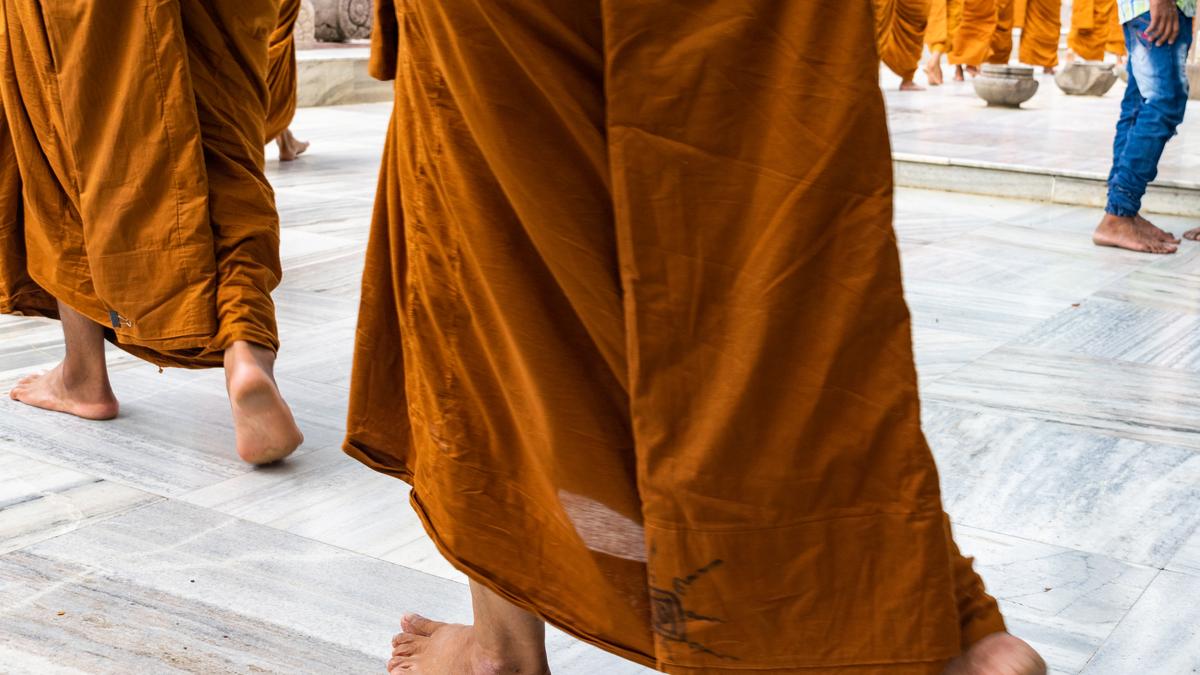
In Sri Lanka, the saffron robe is not merely fabric. It is armor. It is a symbol of renunciation that commands immediate, unquestioning reverence. When a monk enters a room, people stand. When he speaks, the room falls silent. This deep-rooted social contract creates a paradox of power: the very person tasked with guarding the soul is granted a level of privacy and immunity that can, in the wrong hands, become a shroud for darkness.
Consider the courage required for a victim to speak in this environment. To accuse a high-ranking monk is not just to report a crime; it is to challenge a pillar of the community. It is to risk being told you are mistaken, or worse, that your voice is a threat to the faith itself. The "invisible stakes" here aren't just legal. They are spiritual. If the man who represents the path to Enlightenment is capable of such profound harm, where does the devotee turn for light?
The arrest of this particular monk, who held a significant position within one of the country’s most respected monastic orders, represents a terrifying breakdown of that trust. Police reports suggest the incident involved a 15-year-old boy. The details are harrowing, not just for their graphic nature, but for the betrayal of the guru-shishya (teacher-student) bond that defines the transfer of wisdom in the East.
The Myth of the Untouchable
For too long, a dangerous sentiment has simmered beneath the surface of religious life: the idea that the institution is more important than the individual. This is a fallacy. An institution is only as holy as the people who comprise it. When the robe is used to deflect scrutiny, the robe itself becomes tarnished.
The legal system in Sri Lanka has historically struggled to navigate these waters. There is an immense pressure to "protect the image" of the religion. Yet, the real protection of Buddhism—or any faith—lies in the ruthless pursuit of truth. Silence isn't piety. It’s complicity.
We must look at the mechanics of how such abuse persists. It thrives in the shadows of hierarchy. In many monastic settings, young acolytes are sent by their families to live and study under the tutelage of senior monks. These children are vulnerable, isolated from their primary support systems, and taught that the monk’s word is law.
Imagine a child in that position. They are told they are serving a higher purpose. They are told that the man in the saffron robe is their path to a better life, perhaps even a better rebirth. When that man crosses a line, the child’s world doesn't just break; it inverts. The sanctuary becomes a cage. The teacher becomes a predator. And because the community views the monk as a living deity, the child believes that no one will listen.
A Crack in the Dam
This arrest is a signal that the culture of impunity is fraying. The fact that the police moved forward, despite the suspect's standing, suggests a shift in the tectonic plates of Sri Lankan society. People are beginning to realize that you can revere a faith while demanding accountability from its practitioners.
It is a painful realization. It feels like a loss of innocence.
But this pain is necessary. It is the sting of a wound being cleaned. For the survivors of such abuse, the legal proceedings offer a sliver of what has been denied to them for years: acknowledgment. To be heard by a court is to be told, "You exist, and what happened to you matters more than the status of the man who did it."
The broader monastic community now faces a choice. They can retreat into a defensive crouch, claiming that these are "isolated incidents" or "conspiracies to defame the religion." Or, they can lead the charge for reform. True spiritual leadership requires the courage to excise the rot from within. It requires vetting processes, child protection protocols, and an end to the culture of blind obedience.
The Silence of the Courtyard
The temple courtyards in the evening are usually places of profound peace. The wind rustles the leaves of the Bodhi tree. The chanting of sutras drifts on the air. But today, that peace feels fragile. It is haunted by the ghosts of those who suffered in silence behind carved wooden doors.
The law will take its course. Evidence will be presented. Lawyers will argue over statutes and precedents. But the real trial is happening in the hearts of the people. They are weighing their devotion against their conscience. They are realizing that true holiness cannot exist where there is no safety.
The saffron robe is meant to represent the shedding of the ego, the abandonment of worldly desires, and the embrace of universal compassion. When it is used to hide a crime, it ceases to be a robe. It becomes a disguise.
We are moving toward a world where the pedestal is no longer a hiding place. It is a long, slow walk toward the light, and the path is littered with the shattered remains of false idols. The incense may still burn, and the bells may still ring, but the air is different now. It is clearer. It is colder. It demands the truth, no matter how much it hurts to hear.
The boy who spoke up has done more for the purity of the faith than a thousand silent prayers ever could. He broke the spell. He reminded us that the most sacred thing in any temple is not the statue on the altar, but the soul of the child standing before it.