The champagne was still cold when the panic began.
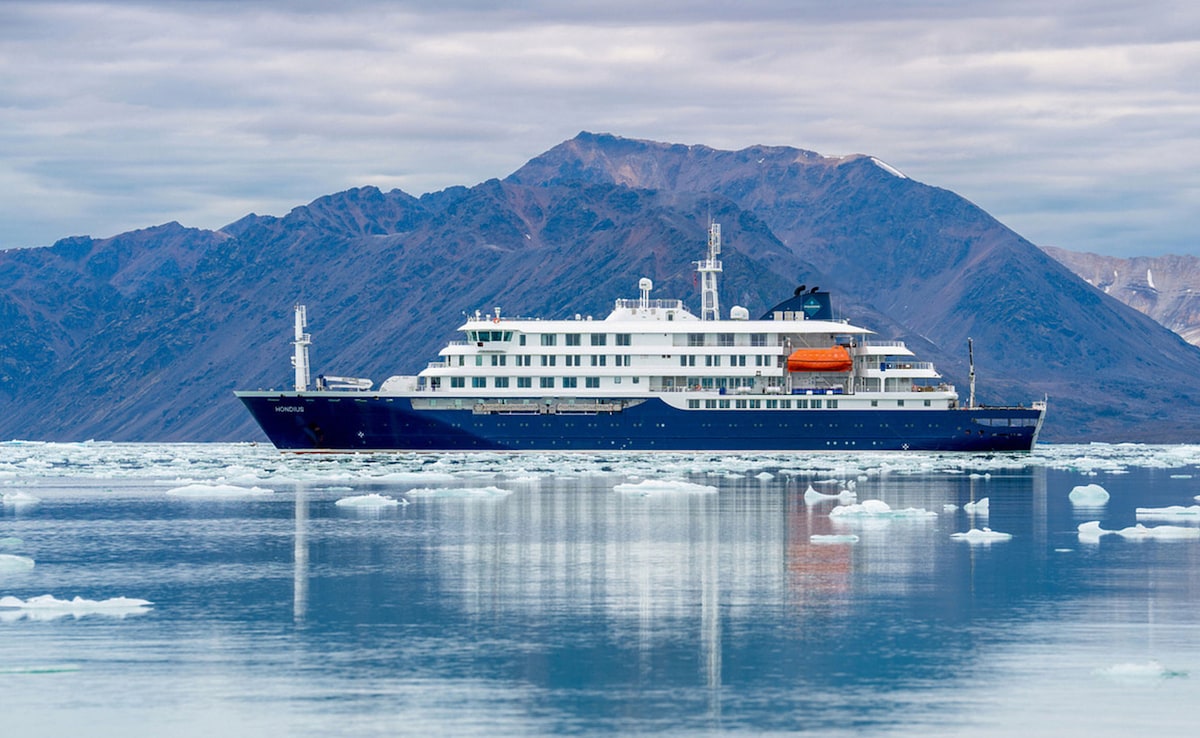
For the three thousand souls aboard the Azure Horizon, the week had been a blur of sun-drenched decks and the rhythmic, comforting thrum of the engine beneath their feet. They were floating in a literal bubble of luxury, insulated from the world by a thousand miles of seawater. But luxury is a fragile shield against the microscopic. Somewhere between the midnight buffet and the sunrise yoga session, the atmosphere shifted. It wasn't a sudden storm or a mechanical failure. It was a cough. Then a fever. Then the terrifying realization that they weren't alone on the ship.
They were sharing their cabins with a stowaway that didn't need a ticket.
The Invisible Passenger
Hantavirus is not like the seasonal flu, and it certainly isn't as predictable as the norovirus outbreaks that occasionally sweep through cruise ships like a bad rumor. To understand the gravity of what was happening in the belly of the Azure Horizon, you have to understand the nature of the pathogen itself.
Most viruses are social. They jump from person to person through a handshake or a shared breath. Hantavirus is different. It is a lonely hunter. It typically lives in the waste of rodents—specifically deer mice and cotton rats. In a standard scenario, a hiker might sweep out a long-abandoned cabin, kicking up dust laced with dried urine or droppings. The hiker inhales that dust. A few weeks later, their lungs begin to fill with fluid.
But this was a billion-dollar vessel, not a rustic shack in the woods.
The mystery wasn't just that people were getting sick; it was how a "wilderness" virus had managed to infiltrate a pressurized, climate-controlled environment. The facts were chilling. Hantavirus Pulmonary Syndrome (HPS) carries a mortality rate of nearly 40%. It is a ruthless, efficient killer that mimics a common cold before turning the body’s immune system against itself.
The Sound of a Closing Door
Imagine you are Elias, a veteran head chef who has spent twenty years navigating the tight corridors of floating kitchens. You pride yourself on a sterile environment. You see the world through the lens of stainless steel and industrial-grade disinfectant.
One morning, Elias noticed something off in the dry storage area near the lower hull. A bag of flour had been breached. Not by a blade, but by tiny, frantic teeth. To a layman, it’s a nuisance. To a man responsible for ten thousand meals a day, it is a haunting.
"It’s just a mouse," a junior steward might have said.
But in the shipping industry, a mouse is never just a mouse. It is a vector. This particular rodent likely hopped aboard during a resupply stop in a South American port where the local rat populations were flourishing. It found its way into the ventilation shafts, those silver arteries that pump life-sustaining air into every cabin, from the $10,000 royal suites to the windowless staff quarters below the waterline.
The virus traveled on the air. It was silent. It was odorless. It was everywhere.
A Fever in the Night
The transition from a dream vacation to a medical emergency happens with agonizing slowness. It starts with the "prodromal" phase. This is the period where the victims—young honeymooners, retired couples, the tireless crew—felt a vague sense of dread. Their bones ached. Their heads throbbed.
By day three, the infirmary was full.
The ship’s doctor, a woman who had dealt with everything from seasickness to cardiac arrests, knew something was fundamentally wrong. This wasn't the projectile vomiting of a foodborne illness. This was respiratory distress. Patients were gasping for air as if they were drowning while standing on dry land.
$C_{6}H_{12}O_{6} + 6O_{2} \rightarrow 6CO_{2} + 6H_{2}O + Energy$
This basic chemical equation for cellular respiration—the very process that keeps us alive—was failing. The virus was attacking the capillaries in the lungs, causing them to leak plasma into the alveolar spaces. The body was literally flooding from the inside out.
The Human Cost of Isolation
When the "Code Red" was finally called, the ship turned into a floating prison. The glitz of the atrium felt suddenly garish, like a clown at a funeral.
Consider the case of a hypothetical passenger named Sarah. She had saved for five years to take her mother on this trip. Now, she stood behind a heavy cabin door, listening to her mother’s ragged breathing, waiting for a medical team that was stretched to the breaking point. The fear wasn't just about the virus; it was about the unknown. Was the person in the next cabin a threat? Was the very air they breathed a poison?
The psychological toll of a rare outbreak is often heavier than the physical one. While the crew scrambled to sanitize every square inch of the ship, the passengers were left with their thoughts. They watched the news on their cabin TVs, seeing their own ship featured on global headlines. They were the "Plague Ship."
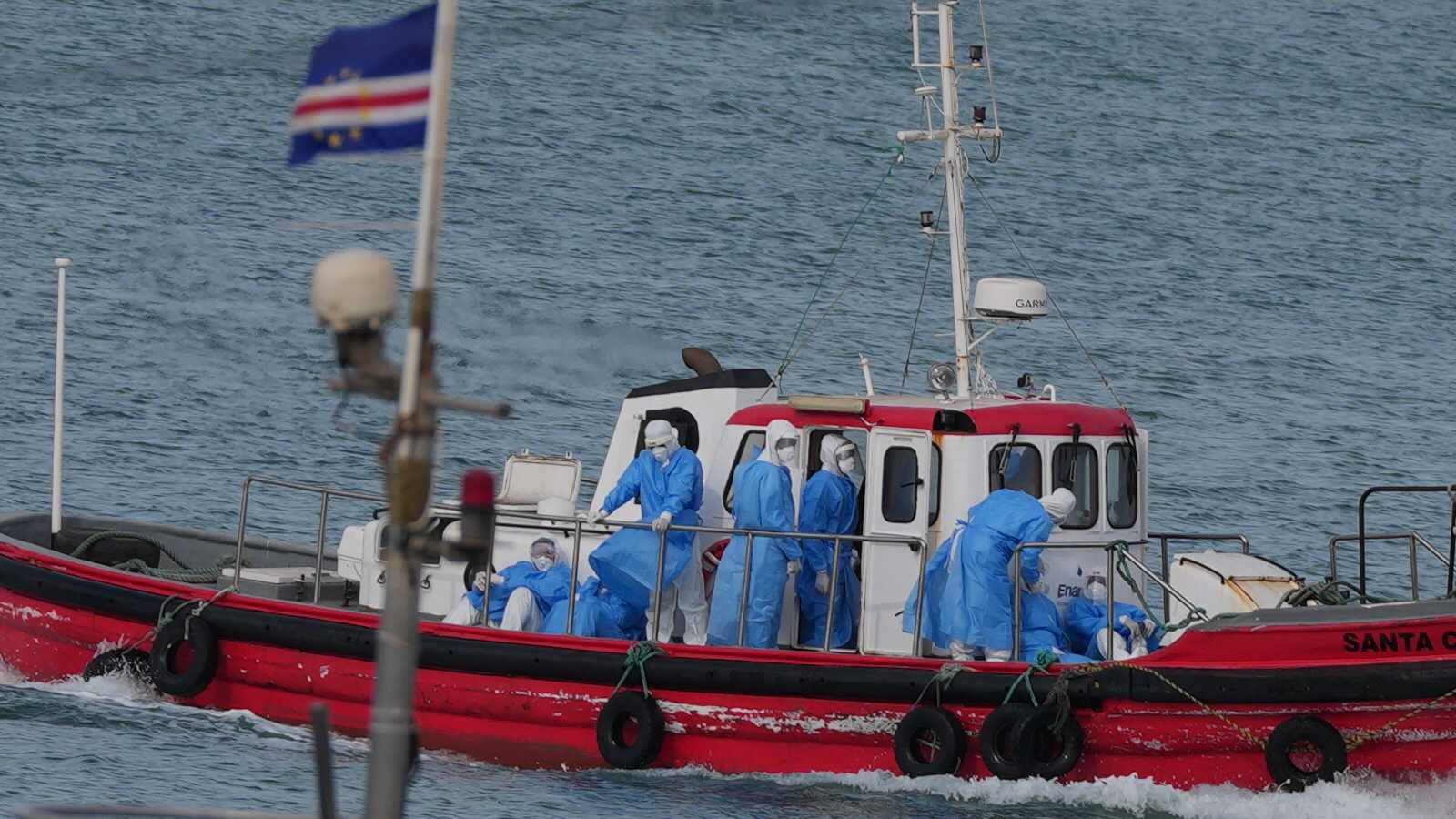
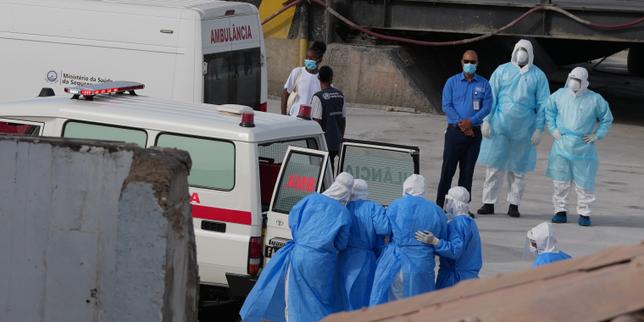
Experts from the CDC were flown in by helicopter, winched down onto the moving deck like soldiers entering a war zone. They wore Tyvek suits and respirators, looking like aliens against the backdrop of the lido deck's turquoise pools. Their presence confirmed what everyone feared: the boundary between the civilized world and the raw, dangerous wild had collapsed.
The Mechanical Flaw
Investigation later revealed that the outbreak wasn't caused by a lack of cleanliness, but by a quirk of engineering. Modern cruise ships use advanced HVAC systems designed to recycle air to save energy. In the case of the Azure Horizon, a small leak in the ducting near the cargo hold allowed air from the rodent-infested "dead spaces" of the ship to be sucked into the main circulation loop.
This created a "nebulizer effect." The virus was being mechanically aerosolized and distributed with clinical precision.
The industry likes to talk about "redundancies" and "failsafes." They use words like biosecurity and mitigation. But nature doesn't care about marketing. Nature finds the crack in the armor. It finds the one unsealed vent, the one overlooked pallet of grain, the one mouse that survives the fumigation.
The Long Voyage Home
The ship eventually docked, not at its intended tropical paradise, but at a high-security industrial pier. The disembarkation was a grim procession. Families were separated. Survivors were whisked away to quarantine wards.
The Azure Horizon sat empty for months. It was a ghost ship, scrubbed by chemicals so potent they stripped the varnish from the bar tops. The rodents were gone. The virus was neutralized. But the story didn't end with the cleaning crews.
The real impact of the Hantavirus outbreak wasn't found in the statistics or the revamped health protocols that followed. It was found in the way the survivors looked at the world afterward. It was the realization that we are never as far from the wild as we think. We build our steel palaces and sail them across the deep, believing we have conquered the elements.
Then, a tiny creature leaves a trace of itself in a dark corner, and the palace becomes a tomb.
We live in a world of interconnected systems. We move faster and further than any species in history, carrying our ecosystems with us. Usually, that means bringing our music, our food, and our culture. Sometimes, it means bringing the things that live in the shadows.
The ocean is vast, and the ships that cross it are marvels of human ingenuity. But as the sun sets over the water, casting long shadows across the empty decks of a docked vessel, you realize the truth. We are guests on this planet, and the smallest hosts are often the ones who truly own the house.
The next time you walk down a long, carpeted hallway in a silent hotel or a humming ship, listen closely. It isn't just the wind or the engines. It is the reminder that the invisible world is always there, waiting for a vent to open, a bag to tear, or a breath to be taken.