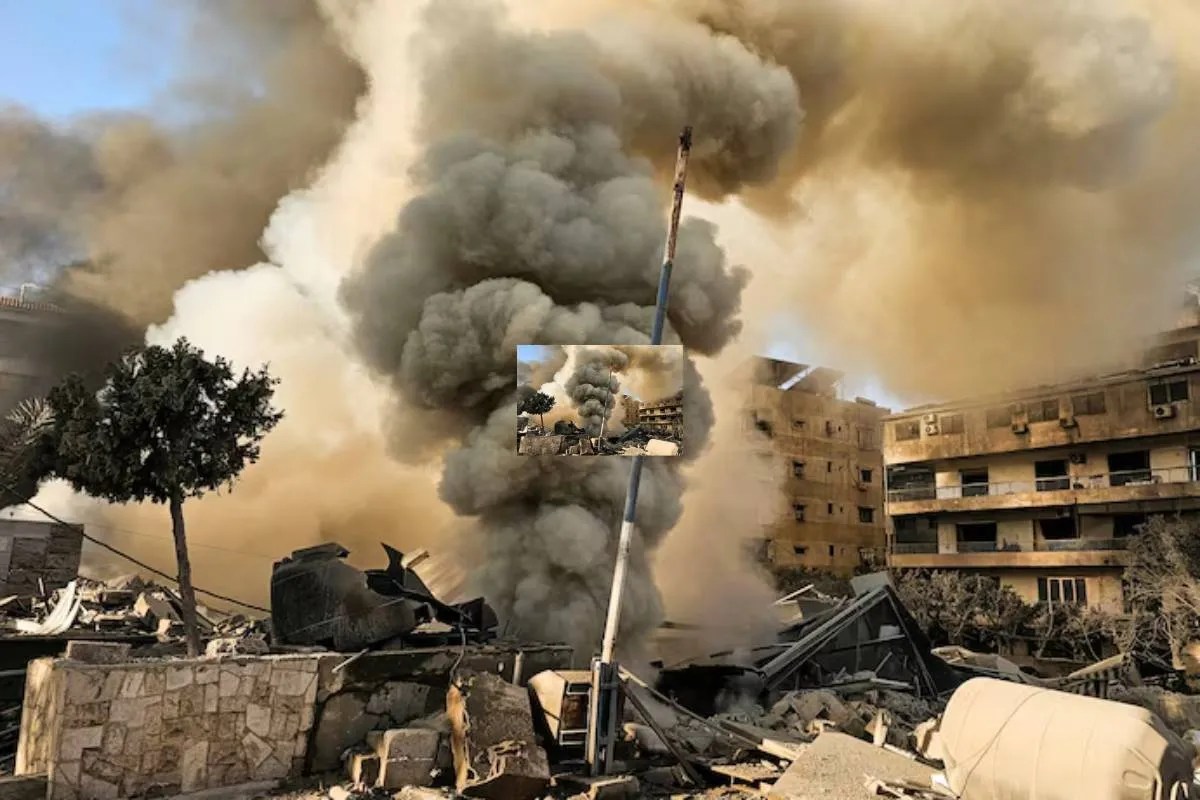
The fragile truce in the Middle East has collapsed, dragging the United States and Iran into a direct military escalation that has sent global crude prices soaring past predictable thresholds. For India, the world’s third-largest oil consumer, this isn't just another distant geopolitical skirmish. It is an immediate economic threat. Because India imports over 85% of its crude oil, sudden price spikes hit the domestic economy almost instantly, threatening fiscal deficits, driving inflation, and putting pressure on the national currency. New Delhi now faces a brutal choice between diplomatic neutrality and economic survival.
The Collapsing Middle East Buffer
For months, back-channel diplomacy held a shaky ceiling over the friction between Washington and Tehran. That ceiling is gone. The current escalation has moved past proxy conflicts into direct engagements that threaten critical maritime chokepoints, most notably the Strait of Hormuz. Meanwhile, you can read related developments here: The Architecture of a Quiet Crossing.
Nearly a fifth of the world's oil supply passes through this narrow waterway. When tankers face active threats or insurance premiums skyrocket overnight, the physical movement of oil slows down.
The immediate result is a classic supply-side shock. Crude oil futures did not merely drift upward; they jumped violently. This spike exposes the structural vulnerability of nations that rely on foreign energy to fuel their domestic growth. While Western economies can occasionally lean on strategic reserves or domestic shale production, developing economies enjoy no such luxury. They are price takers in a market driven by fear and military posturing. To explore the bigger picture, we recommend the excellent report by The Guardian.
The Indian Dilemma
New Delhi’s foreign policy has long prided itself on strategic autonomy. India has historically managed to maintain working relationships with Iran while deepening defense and economic ties with the United States and Israel. This balancing act is becoming untenable.
When Washington tightens enforcement of secondary sanctions on Iranian oil, India’s state-run refiners are forced to halt purchases or risk being cut off from the global financial system. During previous sanction regimes, India utilized a rupee-rial mechanism to pay for limited Iranian imports. However, the sheer scale of the current confrontation makes such workarounds functionally useless for major transactions.
- The Rupee Under Pressure: As oil prices rise, India's trade deficit widens. This increases the demand for US dollars, weakening the Indian Rupee and making all other imports more expensive.
- The Inflationary Cascade: Higher crude costs translate directly to increased diesel prices at the pump. In a vast nation where logistics depend heavily on trucking, expensive diesel raises the cost of food, manufactured goods, and basic commodities.
- Fiscal Tightrope: The government must decide whether to pass the price hikes directly to consumers—sparking public anger—or absorb the costs through tax cuts, which drains the national exchequer and derails infrastructure spending.
Beyond the Russian Safety Valve
Over the past few years, India mitigated global market volatility by purchasing heavily discounted Russian crude. This strategy allowed New Delhi to keep inflation relatively check despite Western disapproval. But that safety valve is reaching its structural limit.
Russian logistics are increasingly strained by Western price caps and tightening tanker sanctions. More importantly, Russian oil fields cannot instantly scale up production to offset a massive, sudden shortfall coming out of the Persian Gulf. If Middle Eastern supply lines are physically disrupted, the scramble for available crude will intensify global competition, erasing the discounts India previously enjoyed.
Relying on a single alternative source was always a temporary shield, not a permanent strategy. The current crisis proves that diversification on paper does not equal security in practice if the underlying global supply chain remains vulnerable to the same geopolitical pressure points.
The Strategic Realignment
To survive this crisis without crippling its economy, India is forced to pivot on multiple fronts simultaneously. The playbook used during previous energy shocks is outdated. The speed of modern capital flight and the volatility of algorithmic oil trading require more aggressive, structural shifts.
Accelerating Strategic Petroleum Reserves
India’s current Strategic Petroleum Reserves (SPR) hold roughly enough oil to cover 9.5 days of commercial net oil imports. This is dangerously low compared to the 90-day cushion maintained by International Energy Agency (IEA) members.
India's Strategic Petroleum Reserve Capacity (Current vs Needed)
[████░░░░░░░░░░░░░░░░] 9.5 Days (Current SPR Cushion)
[████████████████████] 90 Days (IEA Recommended Standard)
The government has cleared the commercialization of these reserves and planned phase-two expansions, but construction takes years. In the short term, India must negotiate emergency storage leases in countries with excess capacity, or secure long-term forward contracts with African and South American producers to bypass the Middle East altogether.
The Chahbahar Conundrum
India has invested heavily in developing Iran's Chabahar Port, viewing it as a golden gateway to Central Asia and a counterweight to Pakistan’s Gwadar Port.
A full-scale military conflict involving Iran jeopardizes this entire geopolitical asset. If the port becomes a casualty of broader sanctions or direct kinetic strikes, India loses its primary route to circumvent overland blockades, resetting its regional connectivity strategy by a decade.
Structural Breaks Over Quick Fixes
The hard truth is that India cannot drill or buy its way out of this structural vulnerability. Short-term diplomatic maneuvering will only delay the pain. True economic resilience requires a fundamental decoupling of domestic economic growth from global fossil fuel volatility.
This means the transition to electric mobility, domestic green hydrogen production, and massive solar grids is no longer just an environmental aspiration. It is a core national security imperative. Every megawatt of power generated from domestic renewable sources is a fraction of a barrel of oil India does not need to import from a volatile war zone.
The current conflict is a stark reminder that strategic autonomy is an illusion when your economy runs on energy controlled by foreign adversaries and unstable choke points. New Delhi must use this crisis to permanently break its dependency on the Persian Gulf, or accept that its economic future will always be held hostage by decisions made in Washington and Tehran.