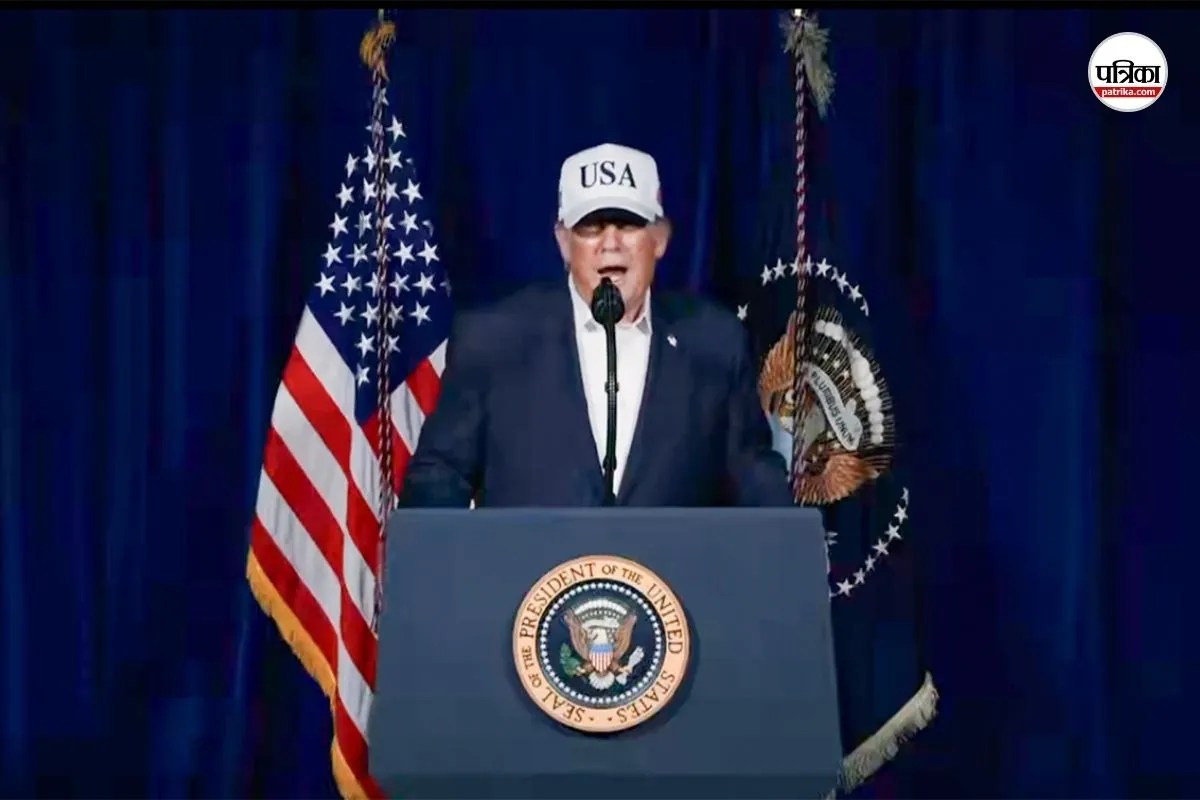
The current friction between the United States and Iran is not a binary state of war or peace, but a managed conflict governed by calculated escalation and domestic political utility. Donald Trump’s recent assertions regarding a swift resolution to regional hostilities rely on a fundamental shift in the American strategic posture: the replacement of ideological containment with transactional leverage. To understand if a cessation of hostilities is viable, one must quantify the structural bottlenecks—specifically the Iranian nuclear timeline, the proxy-network cost-benefit analysis, and the internal economic pressures facing the Islamic Republic.
The Triad of Kinetic Restraint
Direct military engagement between Washington and Tehran remains improbable due to three specific deterrent variables that function as a self-correcting mechanism for both administrations.
- The Asymmetric Cost Function: Iran operates through a "gray zone" strategy, utilizing the Axis of Resistance to project power without triggering a conventional state-on-state response. For the United States, the cost of neutralizing these dispersed nodes exceeds the strategic value of the territory they occupy.
- The Energy Market Volatility Index: Any sustained strike on Iranian soil risks the closure of the Strait of Hormuz. A disruption of this transit point—responsible for approximately 20% of global oil consumption—would create an immediate inflationary shock. No American president can sustain a domestic economy during a $150-per-barrel oil crisis.
- Nuclear Breakout Latency: Iran’s enrichment levels near 60% create a "latent deterrent." They have shortened the breakout time to a matter of weeks, which effectively forces the U.S. into a diplomatic holding pattern. Military intervention at this stage risks a "use it or lose it" scenario where Tehran crosses the threshold into weaponization as a final survival tactic.
Transactional Diplomacy and the Maximum Pressure Re-entry
Trump’s strategy differs from the traditional diplomatic framework by treating foreign policy as a series of bilateral trade-offs rather than a commitment to international norms. This "Maximum Pressure 2.0" model is built on the assumption that the Iranian regime is a rational actor motivated by institutional survival.
The efficacy of this approach is tied to the Sanctions Elasticity of the Iranian Rial. By restricting oil exports to China—Tehran’s primary revenue lifeline—the U.S. creates a liquidity crisis that manifests in domestic civil unrest. The objective is to force Tehran to the negotiating table not to discuss "regional peace," but to secure "regime solvency." This creates a specific bargaining window where the U.S. trades economic relief for a verifiable freeze on ballistic missile development and nuclear enrichment.
The Proxy Entrenchment Problem
A significant oversight in standard political analysis is the assumption that the Iranian central government maintains absolute control over its regional proxies. The IRGC (Islamic Revolutionary Guard Corps) oversees a decentralized network including Hezbollah, the Houthis, and various PMFs in Iraq.
- Financial Autonomy: These groups have developed independent revenue streams, including illicit trade and local taxation, reducing their total dependence on Tehran’s direct transfers.
- Ideological Divergence: Local objectives often override the broader strategic goals of the Iranian Supreme Leader. A ceasefire agreed upon in Geneva or Washington does not automatically translate to a cessation of Houthi strikes in the Red Sea.
- The Sunk Cost Logic: Iran has spent decades and billions of dollars building this "Forward Defense" doctrine. Relinquishing control over these assets would leave the Iranian heartland vulnerable to conventional air superiority, a trade-off the military leadership is unlikely to accept regardless of economic incentives.
Mechanisms of De-escalation
For the hostilities to "end" as proposed by Trump, three specific operational shifts must occur simultaneously.
1. The Realignment of the Abraham Accords
The expansion of normalization between Israel and Arab states serves as a regional containment wall. This shifts the burden of security from American boots on the ground to a localized intelligence and defense architecture. As the Gulf states integrate their air defense systems, the strategic utility of Iran’s drone and missile program diminishes through technical obsolescence.
2. The Verification Bottleneck
Any deal necessitates a more intrusive inspection regime than the 2015 JCPOA provided. The "Anywhere, Anytime" access requirement is the primary friction point. For Trump to claim a victory, the new framework must address the "Sunset Clauses" that allowed Iran to legally resume certain activities after a fixed period. Without eliminating these clauses, the conflict is merely postponed, not resolved.
3. The Chinese Variable
China’s role as the primary buyer of Iranian "teaspoon" oil (crude moved via ship-to-ship transfers to bypass sanctions) is the greatest obstacle to American leverage. If Washington can offer Beijing a stable energy alternative or use trade tariffs as a counter-weight to their Iranian involvement, the financial pressure on Tehran becomes absolute.
Strategic Forecast: The Managed Stalemate
The most probable outcome is not a formal peace treaty, but a return to a "Cold Peace" characterized by high-frequency economic warfare and low-frequency kinetic skirmishes. Trump’s rhetoric suggests a definitive end, but the structural realities of Middle Eastern power dynamics favor a state of permanent tension.
The Iranian leadership views their nuclear and proxy programs as existential requirements. Conversely, the U.S. political system cannot tolerate a nuclear-armed Iran or a total withdrawal from the region’s energy corridors. The path forward involves a series of tactical de-escalations: a limited freeze on enrichment in exchange for specific escrowed funds being released for humanitarian imports. This avoids the "Big Bang" of a total war while acknowledging that the underlying ideological and geopolitical grievances remain unresolved.
The operational reality for global markets and regional players is a focus on "Containment through Insolvency." The U.S. will likely continue to target the IRGC’s financial nodes while maintaining a credible threat of surgical strikes against nuclear facilities. This maintains a ceiling on Iranian escalation without committing the U.S. to a third major Middle Eastern ground war. Success in this theater will be measured not by the signing of a document, but by the maintenance of a status quo where the costs of Iranian expansionism consistently outweigh the benefits of regional cooperation.