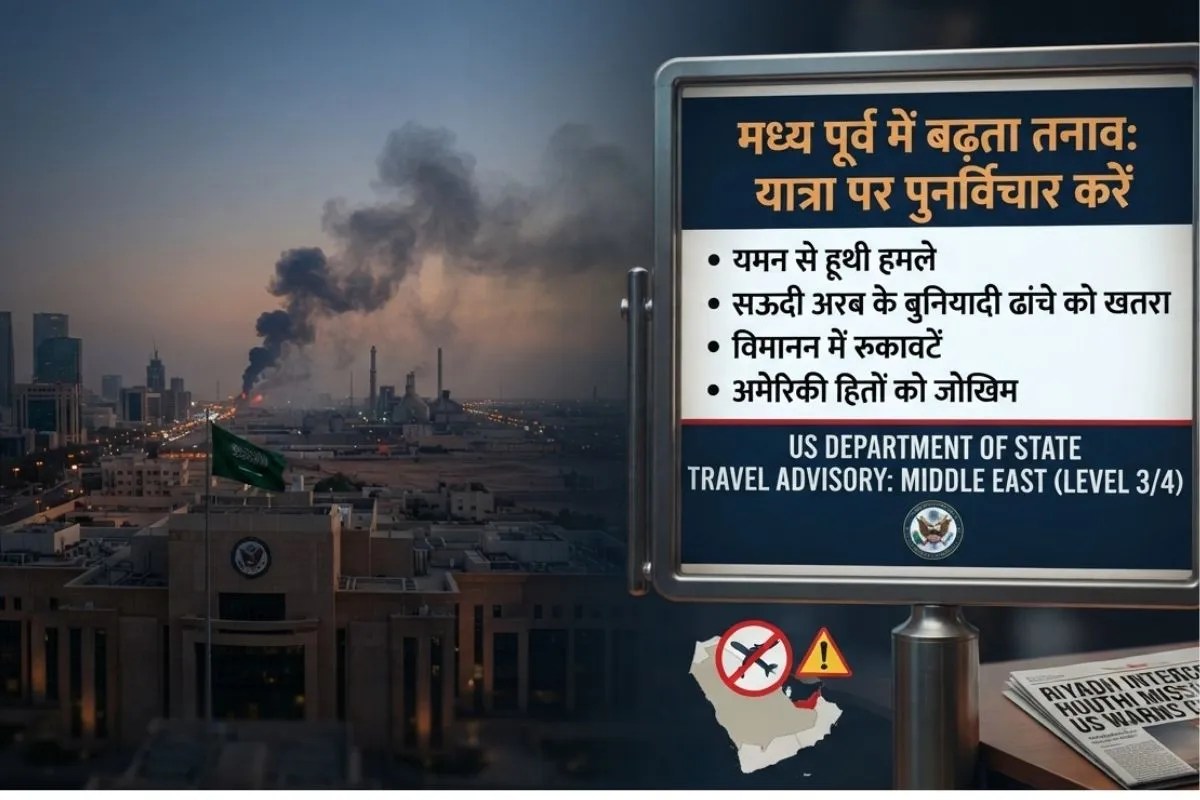
Geopolitical shocks rarely propagate through a single direct impact; instead, they operate via cascading failures in multi-layered critical infrastructure networks. When defensive architecture in the Arabian Peninsula intercepts incoming aerial projectiles targeting sovereign capitals, the immediate tactical outcome—successful interception—obscures the secondary and tertiary operational shocks inflicted upon regional aviation, logistics, and economic stability. Analyzing the structural consequences of retaliatory drone and missile strikes against economic hubs like Riyadh requires moving past sensationalized reporting to examine the explicit mechanics of risk mitigation, insurance repricing, and airspace management.
The strategic objective of cross-border projectile deployment is asymmetric disruption. By compelling state actors to activate high-cost air defense batteries against low-cost kinetic threats, the aggressor initiates an economic drain. Concurrently, the issuance of elevated security advisories or global threat alerts triggers an immediate operational friction within commercial aviation networks. This structural response is governed by mandatory risk-assessment protocols enforced by international civil aviation authorities, national carriers, and global reinsurance syndicates. You might also find this connected article useful: The Geometry of Escalation and Coercive Bargaining in the Persian Gulf.
The Architecture of Airspace Vulnerability
Civilian airspace functions under a strict safety margin where risk tolerance approaches zero. When threat vectors shift from localized skirmishes to strategic capital targets, the operational calculus for commercial airlines undergoes a phase change. The primary variable is not physical destruction of an aircraft in flight, but the probability distribution of collateral interception debris, electronic warfare interference with Global Navigation Satellite Systems, and sudden airspace closures that trap fleet assets out of position.
Modern air traffic management over the Arabian Peninsula relies on high-density corridors linking European, Asian, and African markets. A localized kinetic event forces a deterministic sequence of events: As discussed in latest articles by The Washington Post, the implications are worth noting.
- Vector Re-routing and Fuel Penalties: Aircraft must bypass restricted zones, increasing block times and burning surplus reserve fuel, which degrades payload capacities and shifts route economics.
- Slot Disruption at Major Hubs: Ground stops and delayed arrivals cascade across hub-and-spoke networks, rendering connecting flights unviable and inflating terminal congestion costs.
- Crew Duty-Time Constraints: Extended diversion routes trigger legal limits on flight crew working hours, forcing unscheduled stopovers and crew rotations.
These operational constraints transform a security incident into an economic penalty function borne by carriers and passengers alike. The propagation speed of these disruptions matches the velocity of modern digital communication, wherein a single threat alert issued by a foreign ministry triggers algorithmic repricing of flight insurance within hours.
The Reinsurance Mechanism and Financial Friction
Beneath the physical layer of diverted flights lies the financial superstructure of global aviation: the war-risk insurance market. Commercial aircraft operating near active conflict zones require specialized coverage that fluctuates dynamically based on risk exposure indices compiled by underwriting syndicates in London and other major financial centers.
When state capitals face verified aerial threats, underwriters exercise policy cancellation clauses or institute immediate premium spikes known as Additional War Risk Premiums. These surcharges are calculated per flight leg and can escalate rapidly when threat levels transition from intermittent to systemic.
- Capital Allocation: Airlines must allocate liquid capital to cover skyrocketing insurance liabilities, reducing margins on high-volume regional routes.
- Asset Depreciation: Fleets tied to high-risk regional corridors suffer utilization penalties, altering the amortization schedules of multi-million-dollar widebody aircraft.
- Liquidity Strain: Smaller regional operators face cash flow compression as underwriters demand upfront security deposits or refuse coverage entirely for specific flight trajectories.
Consequently, the economic footprint of an aerial strike extends far beyond the physical impact crater. It alters the cost of capital for every airline transiting the regional airspace corridor, creating a persistent tax on global mobility.
Systemic Ripple Effects Across Global Supply Chains
Air cargo belly capacity represents a vital arterial network for high-value manufacturing components, pharmaceuticals, and perishable goods moving between East and West. Passenger aircraft carrying belly freight constitute a substantial share of global air cargo throughput. When flight cancellations and preventive re-routings remove passenger capacity from the market, global supply chains experience immediate bottlenecks.
The propagation mechanism operates through three distinct vectors:
- Capacity Compression: Reduced frequency on critical trunk routes limits cargo payload availability, driving up spot rates for air freight.
- Inventory Buffer Inflation: Enterprises dependent on just-in-time delivery models are forced to increase safety stock inventories, tying up working capital.
- Schedule Unpredictability: Variance in transit times undermines the deterministic planning required for advanced manufacturing assembly lines.
Strategic analysts tracking regional instability must look past the binary outcome of missile defense efficacy. The true metric of disruption is found in the operational friction introduced into the global logistics grid, where the cost of defensive posture consistently outweighs the direct material damage of the initial kinetic strike.
Future stability within these critical corridors depends entirely on the institutional capacity of regional authorities to establish verifiable de-escalation frameworks and robust electronic defense shields that minimize the collateral footprint on civilian infrastructure. Until such architectures reach maturity, the structural penalty of geopolitical volatility will continue to manifest as chronic instability in global flight schedules and freight economics.


