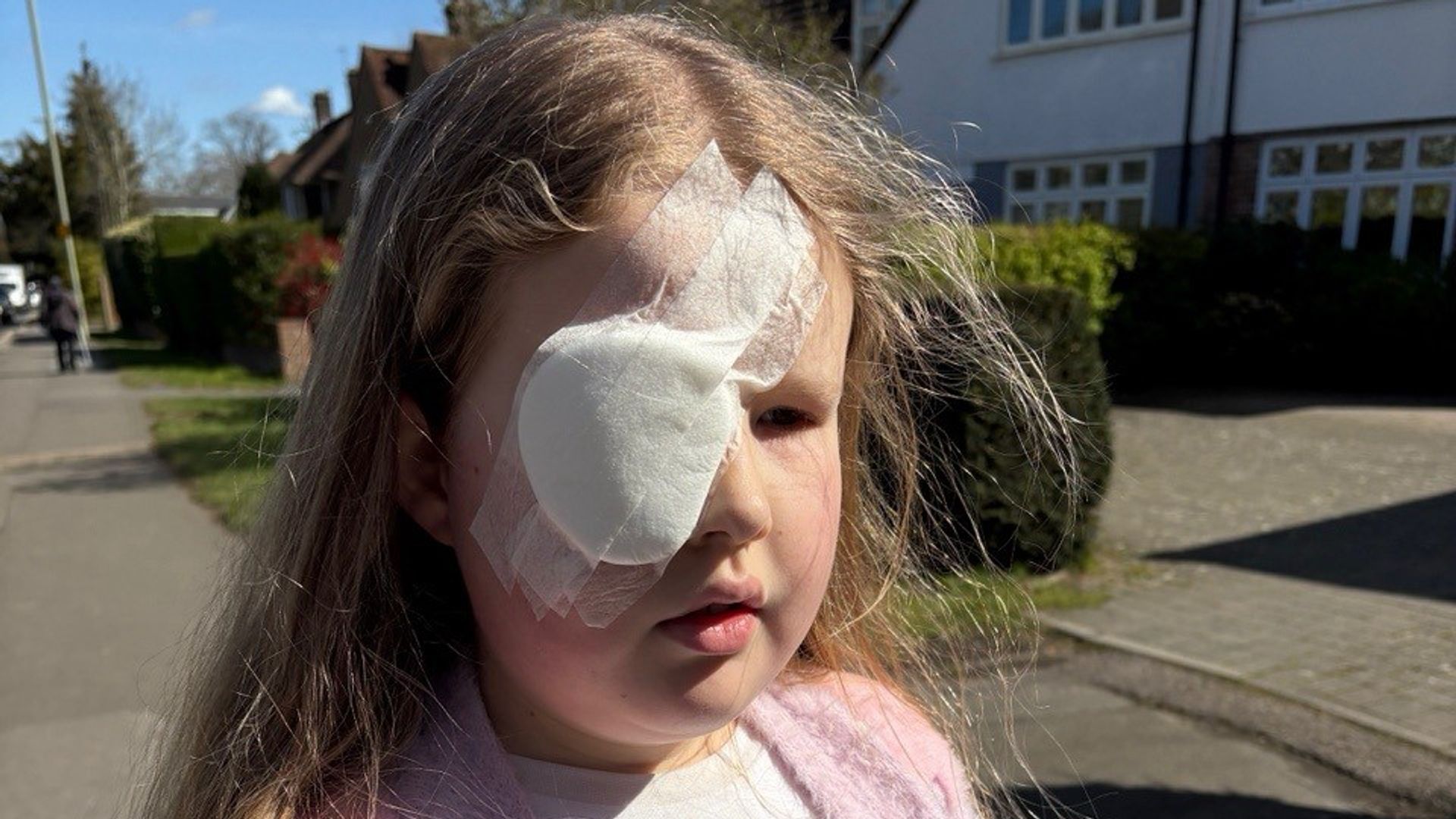
Eleven-year-old Catherine L'Estrange loves reading books. When she was diagnosed with Bardet-Biedl syndrome as a baby, her parents were told that her vision would steadily deteriorate until she went completely blind. By her primary school years, night blindness had set in, followed by color blindness and the gradual shrinking of her peripheral vision.
Earlier this year, doctors at St Helier Hospital in London performed keyhole surgery on Catherine's eye, removing the clear jelly inside and injecting millions of healthy gene copies directly into her retina. She became the first patient in the UK, and only the second in the world, to receive this new gene therapy developed by biotech firm MeiraGTx.
The goal isn't necessarily to restore 20/20 vision. It's to stop retinal cells from dying so that children like Catherine can keep their remaining sight for life.
Understanding Bardet-Biedl Syndrome and the BBS10 Gene Mutation
Bardet-Biedl syndrome, commonly abbreviated as BBS, affects roughly one in 100,000 infants born in the UK. It belongs to a class of rare genetic conditions called ciliopathies. These disorders disrupt tiny, hair-like structures on the surface of cells known as cilia, which act as sensory antennas for the body.
When these cellular structures fail in the eye, light-detecting photoreceptor cells in the retina break down and die off over time. For patients with BBS, vision loss typically begins in early childhood with night blindness and progresses to total sight loss by their late teens or early twenties. The syndrome can also affect other organ systems, causing kidney complications, learning differences, obesity, or extra digits on hands and feet.
Scientist have identified at least 20 different genes where mutations can trigger BBS. The specific treatment given to Catherine targets mutations in the BBS10 gene, which accounts for a major share of all BBS cases worldwide.
Without functional BBS10 proteins, retinal cells cannot transport essential nutrients or process light signals properly. The new gene therapy acts as a biological patch, delivering functional copies of the human BBS10 gene directly to surviving photoreceptor cells.
Inside the Operating Room at St Helier Hospital
The delivery method for retinal gene therapy requires precision surgical skill. Consultant eye surgeon Neruban Kumaran led the surgical team at Epsom and St Helier University Hospitals NHS Trust, collaborating closely with specialist teams at Great Ormond Street Hospital and Moorfields Eye Hospital.
The procedure takes about an hour under general anesthesia. Here is how surgeons deliver the working genes into the back of the eye.
Vitrectomy: Surgeons make microscopic incisions in the wall of the eye to insert tiny instruments. They carefully remove the vitreous humor—the clear, jelly-like substance filling the center of the eyeball—to gain direct access to the delicate retinal tissue.
Subretinal Injection: Using an ultrathin needle, the surgical team injects a microscopic fluid drop containing healthy BBS10 genes beneath the retina. The fluid contains a modified, harmless viral vector that acts like a microscopic delivery vehicle.
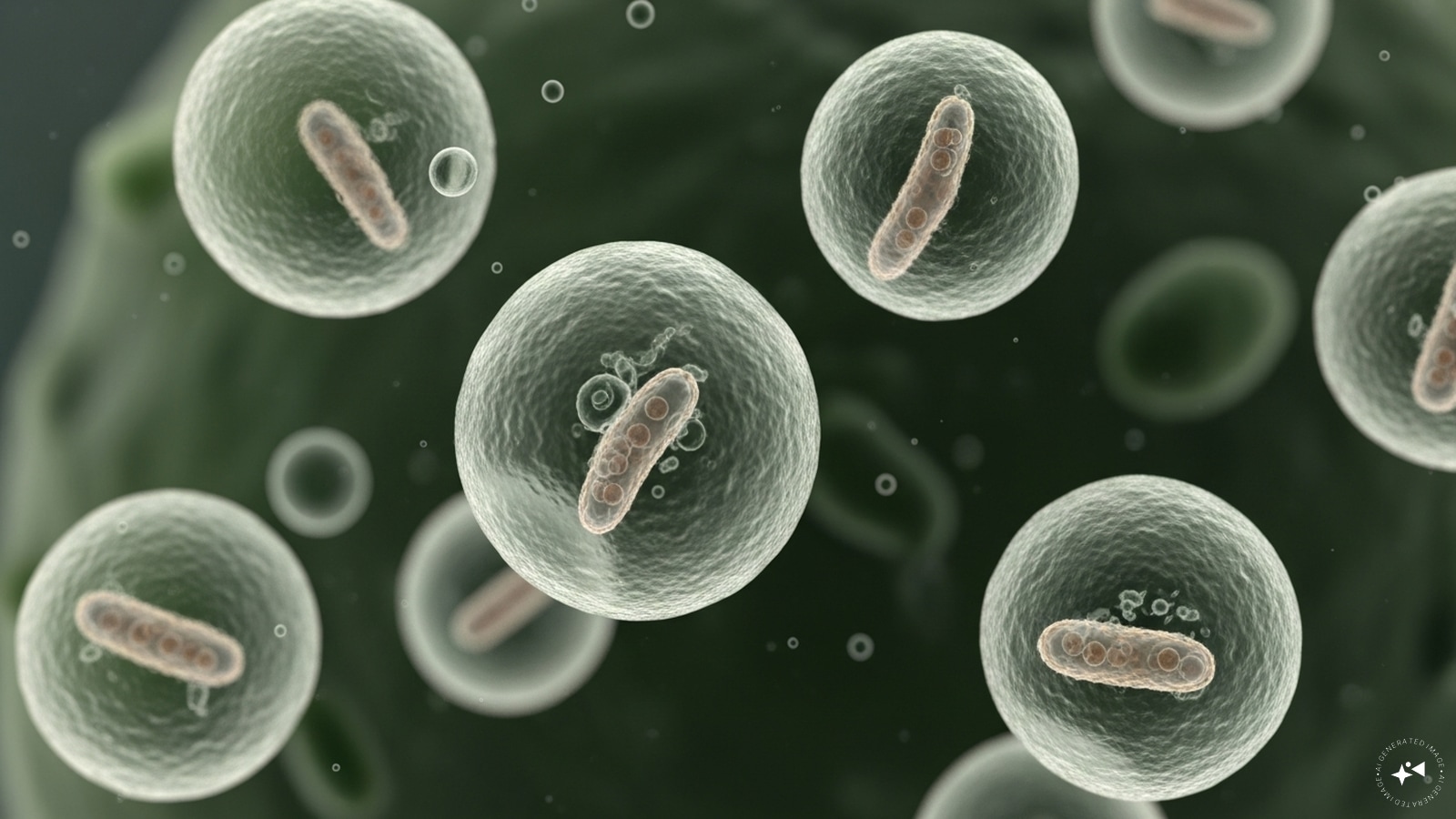
Cell Transduction: The viral vector carries the working gene into the nucleus of surviving retinal cells. Once inside, the host cells begin using the new genetic instructions to produce the missing protein themselves.
Retinal Reattachment: The tiny bubble of liquid under the retina reabsorbs over the following days, leaving the engineered cells in place to produce healthy proteins indefinitely.
Because Catherine's treatment was part of an early-stage clinical trial, doctors treated only one eye. Treating one eye at a time allows medical researchers to track the treated retina against the untreated eye to measure real-world differences in visual decay.
What Patients and Families Can Expect After Retinal Therapy
Gene therapies for inherited retinal diseases are preventive rather than restorative. They cannot rebuild photoreceptors that have already died and turned to scar tissue. Instead, they protect the living cells that remain.
Families considering genetic testing or clinical trials for inherited eye disorders should keep several practical milestones in mind during post-treatment care.
- Immediate Post-Op Recovery: Patients usually go home the same day or after an overnight stay. Eye drops are prescribed for several weeks to prevent infection and reduce surgical inflammation.
- Initial Vision Fluctuations: Vision in the treated eye often appears blurry or distorted for several weeks after the subretinal injection while the retina settles.
- Functional Sight Tests: Medical teams track progress over months and years using visual field testing, dark-adaptation trials, and color differentiation tasks.
- Long-Term Monitoring: Because retinal cells do not divide or replicate rapidly, a single gene therapy injection is intended to last for decades, though long-term clinical trials will confirm duration of efficacy over time.
Early feedback from families in initial BBS trials indicates small improvements in low-light vision and dark adaptation within months of surgery. Full evaluation of treatment efficacy requires several years of observation.
Steps to Take If Your Family Faces Inherited Sight Loss
If a relative has been diagnosed with progressive visual loss or suspected retinitis pigmentosa, getting an accurate genetic diagnosis is the critical first step.
First, request a referral to a specialized Ophthalmic Genetics Clinic through your primary care doctor. Standard eye exams can spot retinal damage, but only specialized genetic sequencing can identify which of the hundreds of possible eye disease genes is causing the problem.
Second, complete full genomic testing. Identification of the specific gene variation—such as BBS10, RPE65, or RPGR—is required to qualify for active clinical trials or approved therapies.
Third, register with national and global patient databases like the NHS Genomic Medicine Service or international registries managed by retinal patient advocacy groups. Clinical trial coordinators use these registries to locate qualified candidates when new gene therapy trials open.