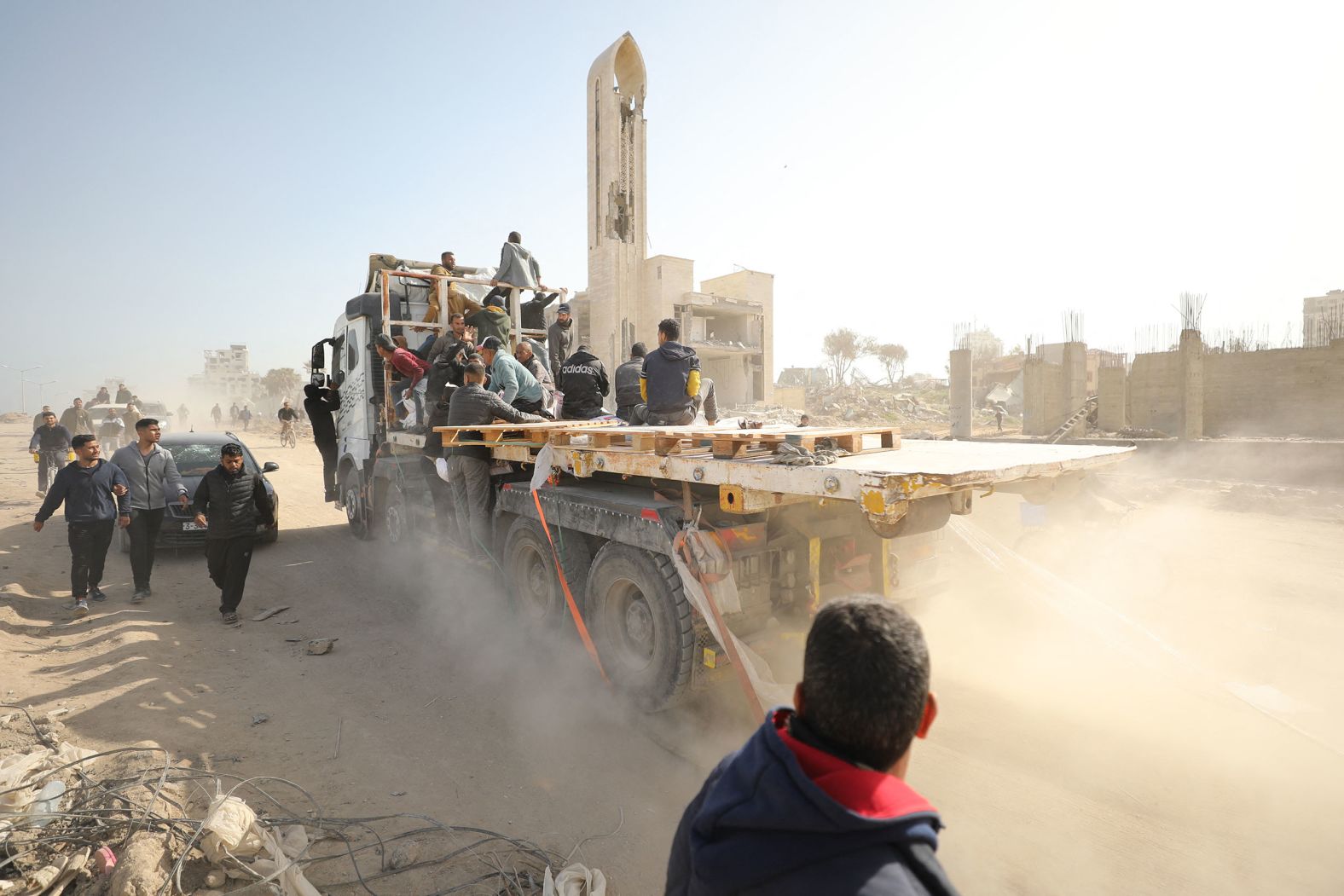
The ceasefire signed on April 17 was supposed to be a reprieve for a nation already pushed to the brink. Instead, it has become a mechanical cover for the systematic erasure of southern Lebanon. On Friday, May 8, Israeli strikes killed at least 31 people across the south, including a civil defense worker in Hasbaya. These were not random skirmishes. They are part of a deliberate military doctrine—the "Gaza Model"—designed to render a 600-square-kilometer "security zone" uninhabitable through the methodical destruction of civilian infrastructure.
While the international community fixates on the fragile diplomatic dance between Washington and Tehran, the reality on the ground in Tyre, Nabatieh, and Bint Jbeil is one of total kinetic persistence. Since March, over 2,700 people have been killed and 1.6 million displaced. The "why" behind this escalation is no longer about simple deterrence. It is about a permanent geographic shift.
The Strategy of Managed Rubble
The Israeli Defense Forces (IDF) frame these daily strikes as enforcement of ceasefire terms, claiming they are preempting a Hezbollah resurgence. However, the targets tell a different story. In the last 48 hours, airstrikes have leveled the Hadraj building near a major hospital in Toul and destroyed vital bridges like the Qasmieh, which serves as the final artery for humanitarian aid into the south.
By targeting civil defense members and paramedics—four of whom were wounded in the Toul strike—the offensive effectively dismantles the social and safety fabric required for civilian life. This is "domicide" on a regional scale. When you destroy the schools, the solar panels, the irrigation systems, and the rescue teams, a "temporary" evacuation becomes a permanent exile.
The Litani Dead Zone
The current operations are designed to enforce a "no-go" zone that extends ten kilometers deep into Lebanese territory. Defense Minister Israel Katz has been vocal about this transition. The goal is to ensure that even if the rockets stop, there is nothing for the residents of the 62 border towns to return to.
Satellite imagery now confirms that entire villages have been virtually removed from the map. This is not the byproduct of urban warfare; it is the result of systematic controlled demolitions and high-yield munitions used on vacated residential blocks. The Israeli government asserts that the April ceasefire does not apply to its operations in Lebanon, a stance that has left the Lebanese state paralyzed and its population caught in a lethal loophole.
A Ghost State in the South
The Lebanese government has publicly condemned Hezbollah for "undermining the state" by maintaining its militant infrastructure, yet it remains powerless to protect its own borders. This power vacuum is being filled by Israeli divisions that have already advanced deep into the southern districts.
For the 150,000 people estimated to still be trapped in these combat zones, the situation is desperate. The destruction of the Litani River crossings means that even if a full-scale medical emergency occurs, there is no way out. The Lebanese Red Cross and other agencies are forced to recover bodies from the rubble under the constant hum of drones that do not distinguish between a rescue worker and a combatant.
The Geopolitical Disconnect
There is a staggering gap between the "peace" being discussed in diplomatic circles and the "Eternal Darkness" operation being executed on the ground.
- The Iran Factor: While a two-week truce was agreed upon regarding the wider Iran-Israel conflict, Lebanon was explicitly excluded.
- The UN Failure: UNIFIL, once the thin blue line preventing total war, is being phased out under intense pressure, leaving no neutral eyes on the border.
- The Displacement Reality: One-fifth of the Lebanese population is now homeless. In cities like Saida, families are crammed into schools, watching on their phones as their hometowns are leveled in real-time.
The Cost of Impunity
The international silence surrounding the use of white phosphorus in villages like Yohmor and the targeting of media outlets such as Al-Manar suggests a new standard of conflict. The rules of engagement have shifted from "targeted strikes" to the total neutralization of a geographic area.
This is not a war of movement; it is a war of attrition against the land itself. When a motorcycle carrying a man and his wife is hit because it happened to pass a targeted vehicle in Nabatieh, it is dismissed as "collateral." But when that collateral becomes the daily rhythm of life for millions, the term loses its meaning.
The objective is clear: to create a buffer zone through the total destruction of the conditions of life. If the current trajectory continues, the border will not be defined by a fence or a treaty, but by a 60-mile stretch of uninhabitable wasteland. The time for viewing these strikes as isolated incidents has passed. They are the components of a finished map, drawn in the dust of the south.