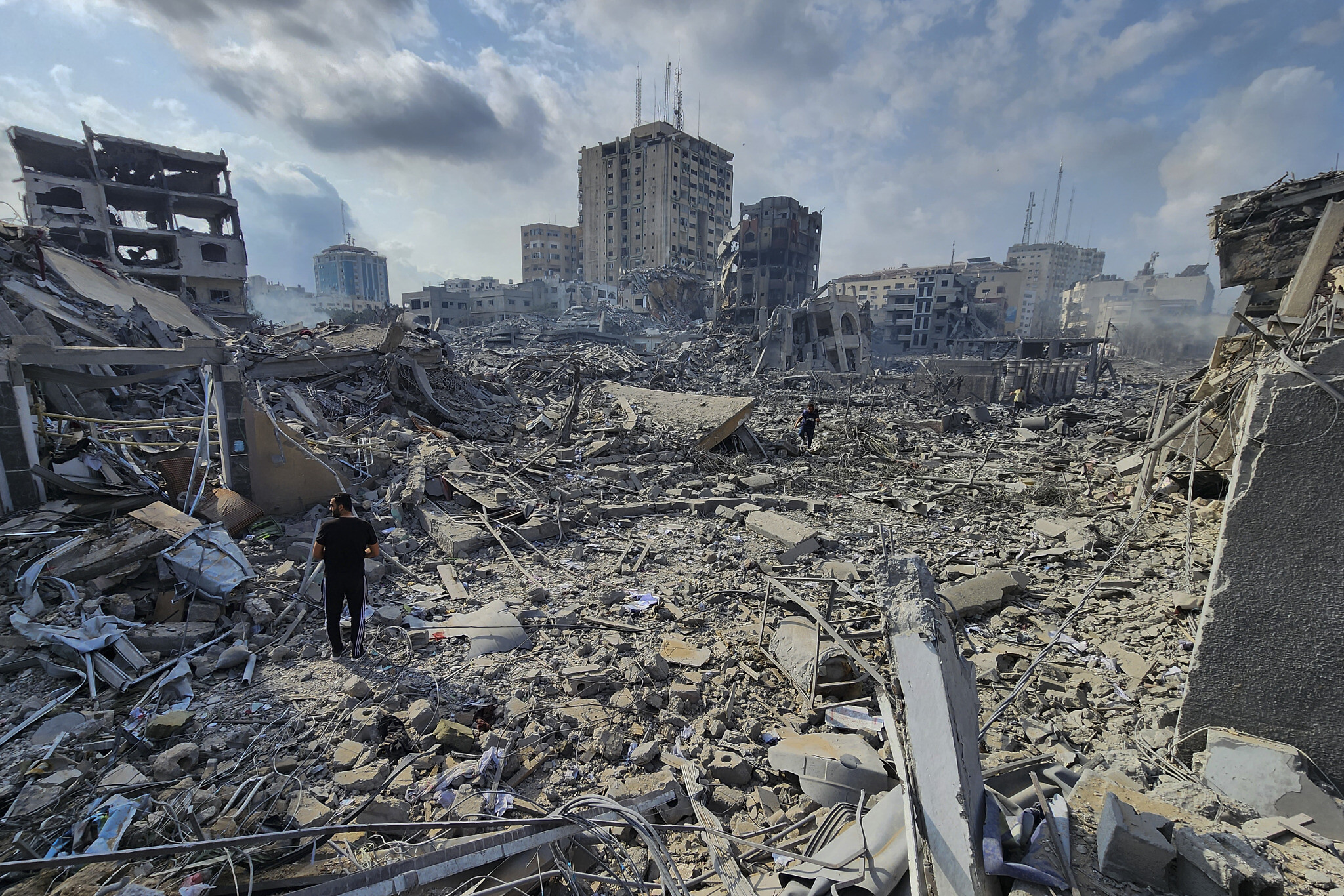
When a multi-story residential building collapses in the middle of the night, the immediate panic gives way to a desperate, bare-hands race against time. That is the grim reality facing emergency crews and families in Gaza City, where structural failures in war-damaged buildings have turned already devastated neighborhoods into active search zones.
Most people scrolling past headlines think of structural collapses as isolated engineering accidents. They picture faulty foundations or sudden natural disasters. But what is happening across Gaza represents an entirely different category of crisis. Thousands of homes compromised by prior military strikes remain standing on borrowed time. They are ticking time bombs of concrete and twisted rebar.
The Immediate Crisis on the Ground
When a seven-story residential block came down abruptly, it buried dozens of sleeping residents beneath tons of rubble. Gaza Civil Defence teams, working shoulder-to-shoulder with municipal workers and local volunteers, rushed into the dust. They faced a nightmarish landscape. Without heavy industrial cranes or stable power grids, initial rescue efforts relied heavily on manual labor, basic hand tools, and sheer desperation.
Survivors pulled from the wreckage described a catastrophic failure that gave no warning. People were asleep when the floors pancaked inward. For families who had already been displaced multiple times, seeking refuge in structures barely holding together, this sudden cave-in highlights a terrifying daily lottery. You either stay in a heavily damaged building because you have nowhere else to go, or you sleep in the open air. Both options carry fatal risks.
Why Compromised Structures Keep Falling
To understand why these structural failures are mounting, you have to look at the engineering reality behind the statistics. Modern apartment blocks rely on continuous load paths. When an explosive blast damages core support columns, fractures primary shear walls, or weakens steel reinforcement bars hidden inside concrete, the building's structural integrity is permanently compromised.
Even if a structure manages to stay upright after an initial strike, internal micro-fractures worsen over time. Seasonal weather changes, heavy winter rains, ground vibrations, and the simple weight of lingering debris place immense stress on weakened load-bearing elements. Eventually, a tipping point is reached. A single shifted slab can trigger a catastrophic progressive collapse where every floor above crashes down like a house of cards.
Civil engineers point out that assessing these buildings safely requires specialized equipment and structural inspections that simply do not exist in active
Finding Survivors Beneath the Rubble in Gaza
news
Every minute counts when concrete floors pancake on top of one another. Search operations inside Gaza following deadly building collapses face nearly impossible barriers. Heavy machinery is rare. Fuel runs dangerously low. Hands and hand tools become the primary lifelines for rescue teams digging through shattered masonry.
Local civil defense crews and volunteers work around the clock despite lacking basic safety gear. They rely on sheer willpower, often listening for muffled cries in the dark before carving small tunnels into the debris. The destruction leaves massive footprints of twisted metal and pulverized stone, making every single site a complex maze of hazards.
The Grinding Reality of Blockaded Equipment
Traditional urban search and rescue relies on specialized hydraulic cutters, heavy cranes, acoustic listening devices, and trained canine units. In Gaza, those resources are largely absent or crippled. Heavy excavators sit idle due to chronic fuel shortages and restricted imports.
Rescuers scrape away concrete chunks with kitchen utensils, small trowels, and bare hands. Dust hangs thick in the air, worsening respiratory distress for both survivors and those trying to save them. The lack of heavy lifting gear turns hours-long extractions into grueling, multi-day operations.
"We hear voices underneath the slabs, but we cannot reach them fast enough with our bare hands."
Civilian Rescuers Bearing the Weight
Professional emergency infrastructure has been shattered by ongoing conflict. Ordinary neighbors, shopkeepers, and displaced individuals form the frontline response teams. They rush toward fresh impacts seconds after blasts occur, risking their lives as secondary collapses threaten to bury them too.
These impromptu crews coordinate without radios or standardized grids. They shout warnings across the dust clouds when unstable walls begin to shift. The psychological toll is immense. Rescuers often find themselves pulling family members or friends from the ruins, operating on pure adrenaline and exhaustion.
Overcoming Logistics and Communication Blackouts
Coordination requires communication. Repeated blackouts, damaged cell towers, and a severe lack of internet connectivity paralyze emergency dispatch. Teams cannot easily map where strikes hit hardest or where specialized help is most urgently needed. Word travels by foot, bicycle, or word-of-mouth through crowded tent camps.
International aid organizations struggle to ship even basic non-lethal rescue kits through tight border checkpoints. Helmets, heavy-duty gloves, flashlights, and manual jacks remain scarce. Without these items, the risk of structural collapse onto the rescue workers themselves skyrockets.
How Global Observers Can Support Relief Efforts
Awareness alone does not move heavy concrete, but financial backing for boots-on-the-ground humanitarian networks helps secure emergency rations, water, and medical supplies for the wounded. Supporting verified humanitarian agencies working directly within the region provides the most direct lifeline to those keeping rescue operations alive against impossible odds.


