When the power grid snaps in a country known for its massive energy exports, you know the climate math has officially stopped working.
On Tuesday night, the electricity grid in western France buckled under a crushing weight of heat. By Wednesday, roughly 68,000 households in the coastal Finistère department of Brittany were left sweating in the dark. At its peak, the blackout cut off more than 106,000 customers. This wasn't a minor glitch. Two massive transformers operated by the national transmission system operator, RTE, suffered catastrophic failures in the small commune of Ergué-Gabéric, right outside the city of Quimper.
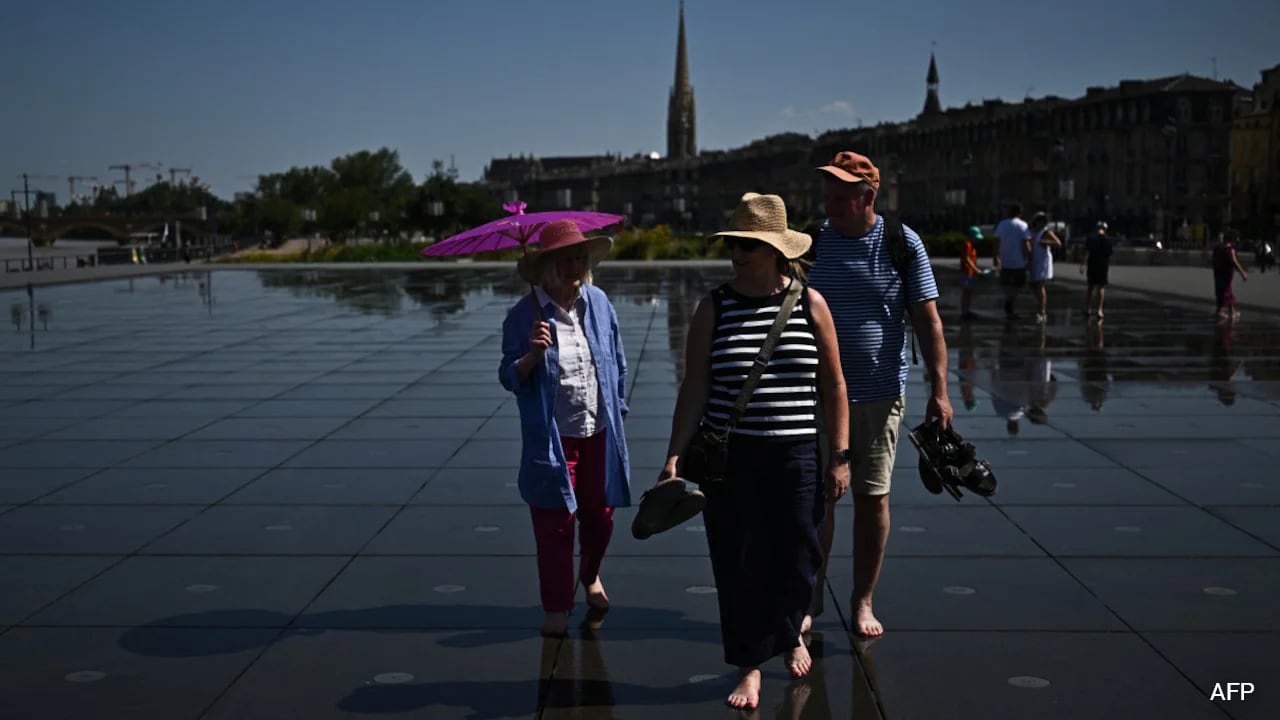
This infrastructure collapse didn't happen in a vacuum. It struck during the most intense heatwave France has ever witnessed. On June 23, 2026, the country recorded its hottest day since records began in 1947, with the national thermal indicator reaching a staggering 29.8°C. Local temperatures in places like Pissos in the southwest rocketed to 44.3°C.
People think climate change just means buying a better air conditioner. The reality is much uglier. When the air outside turns into a furnace, the systems we rely on to stay alive begin to cook themselves from the inside out.
The Substation Meltdown in Brittany
The trouble in Brittany started around 9:00 p.m. local time on Tuesday. Transformers are the workhorses of the electrical grid. They step down high-voltage electricity from long-distance transmission lines so it can safely enter your home. They generate a massive amount of internal heat under normal conditions, relying on specialized cooling oils and radiators to keep from exploding.
When ambient air temperatures hover around 40°C day and night, those cooling systems fail. The air can no longer absorb the heat radiating from the machinery. The internal oil degrades, pressure builds, and the transformer shorts out. RTE engineering teams worked through the night alongside local power provider Enedis, but the damage to the Ergué-Gabéric substation was too severe for a quick fix. Local officials announced that full reconnection would take until at least late Wednesday evening.
Grid operators had to make brutal triage decisions. Emergency backup generators were rushed to nursing homes and retirement communities across the region. Priority lines were rerouted to keep regional hospitals running. Meanwhile, tens of thousands of regular citizens were left without fans, refrigeration, or running water from electric pumps during a historic weather emergency.
The Toxic Intersection of Rising Rivers and Nuclear Shutdowns
What makes the French situation particularly terrifying is how heat directly cripples the primary source of the country's electricity. France gets about 70 percent of its power from its sprawling network of nuclear reactors. Nuclear power is incredibly reliable, right up until the planet gets too hot.
Nuclear plants require colossal volumes of water from nearby rivers or seas to cool their reactors. Once that water passes through the plant, it gets pumped back into the river, slightly warmer than before.
On Monday night, energy giant EDF was forced to completely shut down reactor number two at the Golfech nuclear plant in Tarn-et-Garonne. The reason was simple. The Garonne River had reached 28°C. Under strict environmental regulations, dumping hotter water back into an already boiling river kills off local fish populations and wrecks the aquatic ecosystem.
EDF didn't stop there. They slashed output at the Nogent-sur-Seine plant from 1,300 megawatts down to a meager 400 megawatts. The Bugey plant saw its output gutted from 900 megawatts to just 180 megawatts. The Blayais plant in Gironde and the Saint-Alban plant in Isère face similar forced reductions.
Right when French citizens needed maximum power to run cooling systems, the grid lost 4.6 percent of its total installed nuclear capacity due to environmental thermal limits. It is a vicious feedback loop. The hotter the weather gets, the less electricity our cleanest baseload power sources can legally produce.
The Broken Legend of Cold Brittany
For decades, Brittany was considered the safe haven of France. It is a region famed for its rugged, wind-swept Atlantic coastline, frequent rain, and historically mild summers. People from Paris and the south bought vacation homes there specifically to escape the summer heat.
That buffer is gone. Finistère found itself lumped into a group of 58 French departments placed under the absolute highest red alert for extreme heat. When Brittany is hitting 40°C, the old geographic rules of thumb are dead.
The social impact across the nation was immediate. In Paris, the Eiffel Tower shut its gates early in the afternoon. The Louvre Museum pulled its closing time forward to 4:00 p.m. to protect staff and visitors from suffocating indoor temperatures. Prime Minister Sébastien Lecornu confirmed that 1,800 schools were shut down entirely, while more than 8,000 others scrambled to handle the crisis.
Even worse, the heat has triggered a surge in secondary casualties. The government reported that 40 people, mostly teenagers and young adults, drowned in just five days trying to find relief in rivers, canals, and lakes. In the town of Carpentras, two toddlers were found dead inside a hot car. The air conditioning market went into a state of absolute frenzy, with retail giant Carrefour reporting fan and AC unit sales that were a thousand times higher than a standard summer day.
Why Our Infrastructure is Not Built for this Century
We built our world using historical weather data that is no longer relevant. The copper wires hanging from telephone poles expand and sag when they get hot. Sagging wires carry less current and risk brushing against trees, causing sparks and massive wildfires.
The soil surrounding underground power cables bakes dry, losing its ability to dissipate heat away from the lines. Every single component of an electrical grid, from the generation plant to the meter on the side of your house, operates with a lower efficiency when temperatures cross the 35°C threshold.
At the exact same time that grid efficiency drops, consumer demand peaks. Millions of compressors in refrigerators and air conditioners kick on simultaneously, drawing immense currents from a struggling system. The grid gets squeezed from both sides.
How to Protect Your Household Before the Grid Snaps
You cannot assume the government or utility providers will keep the lights on during the next major heat event. If you want to protect your family, you need a localized backup strategy that does not rely on a centralized grid.
Secure an Independent Power Supply
Do not rely on a traditional gas generator if you live in a dense urban area or lack safe fuel storage. Invest in a portable lithium-ion solar generator with at least two kilowatt-hours of capacity. Pair it with foldable 200-watt solar panels. This setup can easily run a high-efficiency portable refrigerator, multiple medical devices, and high-powered fans indefinitely without needing fuel deliveries.
Optimize Your Thermal Strategy
Air conditioning is great, but it is a luxury that disappears the second a transformer blows. You need to focus on passive cooling. Purchase heavy, light-reflecting thermal blackout curtains for every window that faces south or west. Block the sun before it hits the glass. If the power goes out, move your living and sleeping quarters to the lowest level of your home. Earth acts as a natural insulator, and heat rises.
Create a Water Contingency Plan
When municipal power goes down, water treatment and pumping stations can lose pressure. Keep a minimum of three gallons of potable water per person per day, stored in a dark, cool space. Keep an additional ten gallons of non-potable water in heavy jugs to manually flush toilets and perform basic hygiene.
Maintain a Low-Tech Cooling Kit
Keep several spray bottles, battery-operated neck fans, and high-quality microfiber cooling towels in an easily accessible emergency bin. Wetting your skin and using a small battery-powered fan to induce evaporative cooling is the fastest way to drop your core body temperature when the ambient room temperature climbs past 30°C without air conditioning.
The collapse in Brittany shows us that infrastructure failure is no longer a theoretical threat for future generations. It is a current reality. The power grids of the developed world are fragile, overstressed, and running on borrowed time. Stop waiting for utility companies to upgrade their substations. Take control of your own home climate security before the next heatwave darkens your neighborhood.