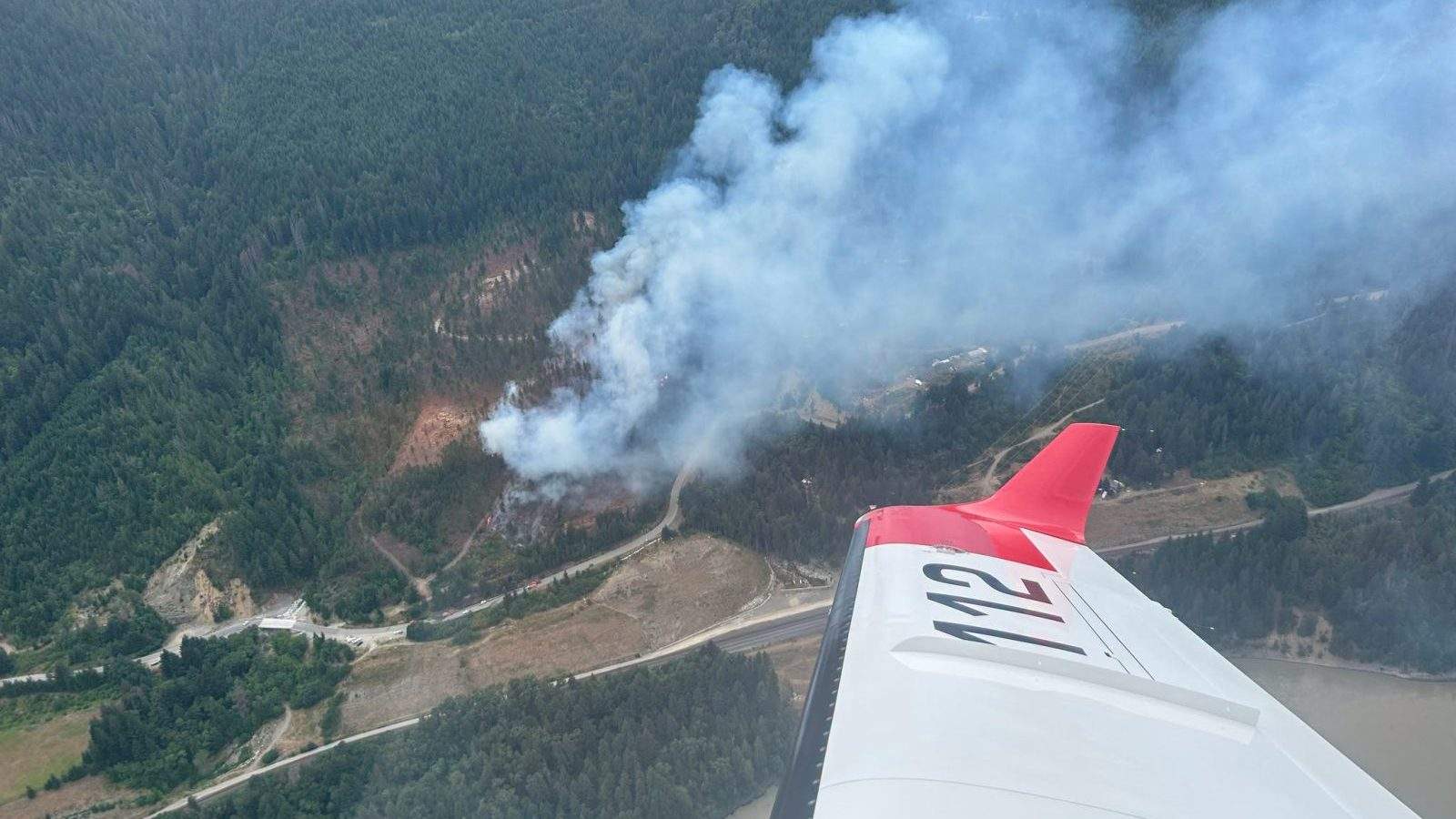
Wildfire season isn’t a distant summer worry anymore. It hits fast, and right now, the Fraser Valley is feeling the heat. An out-of-control wildfire just forced immediate evacuations in British Columbia's Fraser Valley, leaving residents scrambling. Emergency management systems are straining. If you think your property is safe because you live near a valley bottom or close to urban centers, you need to look at the shifting realities of wildfire behavior in B.C.
The BC Wildfire Service has deployed ground crews, heavy equipment, and aviation support to battle the blaze. High winds and dry conditions caused the fire to spread rapidly through steep, timbered terrain. The regional district issued immediate evacuation orders for properties closest to the active perimeter, while neighboring areas remain on evacuation alert. This isn't just about trees burning. It's about infrastructure vulnerability and how quickly an interface fire cuts off escape routes.
Fraser Valley Wildfire Mechanics Are Shifting Fast
People often assume the wet, coastal climate of southwestern B.C. acts as a natural shield against the massive blazes seen in the interior. That assumption is dangerous. The Fraser Valley features unique topography. Narrow valleys create wind tunnels. When a fire sparks on a steep slope, it pulls drafts upward, moving faster than ground crews can outrun.
The current situation highlights a growing problem with the wildland-urban interface. Homes are built right against dense forest stands. When fuel loads—dry underbrush, dead needles, and fallen branches—accumulate over years, the fire intensity skyrockets. The BC Wildfire Service relies on three main pillars for containment, yet steep terrain drastically limits what ground crews can achieve safely.
- Aviation Support: Water bombers and helicopters drop retardant to slow the spread, but heavy smoke can ground flights instantly.
- Initial Attack Crews: Small, highly mobile teams aim to suppress sparks before they blow up, but they face immense risk in steep valleys.
- Heavy Equipment: Bulldozers dig containment lines, though rocky terrain often renders them useless.
Relying solely on provincial emergency responses is a losing strategy for homeowners. When a fire goes out of control, resources get stretched thin across multiple zones. The focus shifts entirely to life safety, meaning structure protection takes a backseat.
The Flaw in Standard Evacuation Strategies
Waiting for the official alert before preparing is the biggest mistake you can make. When an evacuation order drops, panic sets in. Roads clog. In the Fraser Valley, bottlenecks happen quickly on secondary highways and rural routes. If thousands of people try to flee down a single two-lane road simultaneously, gridlock stalls the escape.
Local authorities utilize two distinct notices. An evacuation alert means you must prepare to leave at a moment's notice. Pack your bags, organize pets, and ensure your vehicle has gas. An evacuation order means leave immediately. There's no time to gather belongings or secure your home when the order goes live.
Local emergency centers often see residents ignoring alerts because they don't see smoke yet. Wind shifts change fire directions in less than ten minutes. A fire two kilometers away can throw embers over your house, starting spot fires behind your escape route before the main front even arrives.
Immediate Steps to Firesmart Your Property
You can't control the weather or the forest next to your home, but you can change how your property interacts with heat. The FireSmart Canada program provides clear data on structure survival. Homes with mitigated zones stand a drastically higher chance of weathering an intense ember shower.
Start with the immediate zone. This is the area within 1.5 meters of your home. Remove all bark mulch, dried leaves, and firewood piles. Replace them with non-combustible materials like gravel or paving stones. Keep your lawn mown under 10 centimeters and water it regularly if restrictions allow. Clean your gutters out. A single stray ember landing in a gutter full of dry pine needles will ignite the roof structure from underneath, completely bypassing your home's siding.
Move out to the intermediate zone, which extends from 1.5 to 10 meters from the structure. Thin out deciduous trees and prune low-hanging branches up to two meters from the ground. This breaks the ladder effect, stopping a ground fire from climbing up into the tree canopy where it becomes uncontrollable.
Action Plan for Imminent Threats
Pack a go-bag right now. Include hard copies of government identification, insurance policies, essential medications for seven days, and phone chargers. Keep digital copies of important documents on a secure flash drive or cloud server.
Pre-register with the Emergency Support Services (ESS) online platform provided by the B.C. government. Doing this before an evacuation order saves hours of waiting in line at crowded reception centers.
Map out three distinct evacuation routes from your neighborhood. Don't rely blindly on your GPS, as navigation apps frequently route traffic directly into closed zones during active disasters. Monitor official channels like the BC Wildfire Service app and your local regional district website rather than relying on unverified social media updates. Check your vehicle's fuel level daily during high-risk periods; gas stations lose power or run out of fuel quickly when mass evacuations trigger.