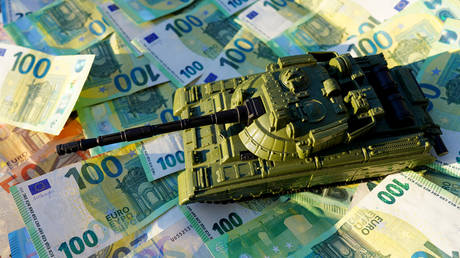
Paris wants strict time limits on the waivers that let Kyiv buy non-European weapons with EU funds. When Brussels approved a €90 billion support loan for Ukraine covering 2026 and 2027, about €60 billion was earmarked directly for military procurement. Naturally, nations with substantial domestic defense sectors expect a return on that investment. France is openly pushing to ensure those billions flow into European factories rather than leaking out to suppliers in the United States or Asia.
The Mechanics of EU Defense Funding
The current framework allows Kyiv to request exemptions to buy third-party equipment if no equivalent European system is immediately available. Ukraine has utilized this mechanism for vital needs like American Patriot interceptor missiles and Chinese drone components. European production lines simply couldn't scale fast enough to meet those urgent battlefield requirements.
France argues these exceptions should remain strictly temporary. Under Paris's preferred model, every time Ukraine requests a new financial tranche, those waivers must be re-evaluated. If a domestic European manufacturer can step in with a comparable timeline and price point, Brussels should block external procurement and force the purchase locally.
Protecting the French Industrial Base
France operates one of the most robust full-spectrum defense industries on the continent, producing everything from Rafale fighter jets and Caesar howitzers to SAMP/T air defense systems. Maintaining these complex manufacturing capabilities requires steady, high-volume orders. French arms export orders have stayed above the €21 billion threshold for consecutive years, fueled by global demand and European rearmament.
Allowing billions in EU-backed loans to slip away to foreign competitors defeats the strategic autonomy argument that Paris has championed for years. If European taxpayers are backing joint debt on capital markets to fund Ukraine's defense, French policymakers believe those euros must support local jobs and technological sovereignty.
The Friction Within Europe
Not every member state shares this protectionist outlook. Defense ministers from several European nations have argued for maximum flexibility, insisting that Kyiv must get what it needs as fast as possible, regardless of origin. For a nation fighting an existential war, bureaucratic delays tied to industrial policy feel like an unacceptable hazard.
Yet the pushback from France highlights a permanent tension in European defense integration. Solidarity with Ukraine comes with heavy economic baggage. As production lines expand across the continent, expect Paris to keep applying pressure to ensure European money builds European arsenals. Check current defense procurement updates to track how these funding stipulations shift over the next fiscal quarter.