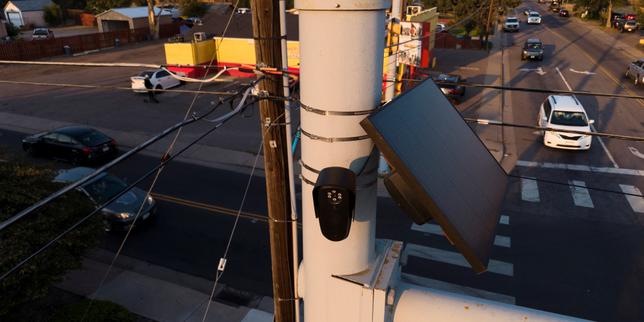
Drive down almost any suburban street today and you will spot them. Small, solar-powered cameras mounted on metal poles, silently logging the license plate of every passing vehicle. With more than 120,000 automated license plate readers deployed across over 6,000 communities, Flock Safety has quietly built a massive nationwide tracking network. Police departments love them for catching stolen cars, but residents are waking up to a reality they never voted for. Opposition is exploding, and the backlash is getting weird, fast, and intensely political.
You aren't paranoid if you feel like you are being tracked everywhere you go. That is because you actually are.
The Reality of Mass Tracking
When cities first sign contracts for these cameras, they are often told it is a simple crime-fighting tool. If a car is stolen or a child goes missing, police get an instant alert. Pitch meetings make it sound like a harmless digital neighborhood watch.
The trouble starts when people realize what the system actually does under the hood. Flock cameras do not just take a snapshot of a plate; they record make, model, color, and unique vehicle details, building searchable movement profiles. In several documented cases, local officials discovered too late that the technology could map out comprehensive heat maps of individual travel patterns over time.
Data sharing turns local neighborhood protection into a wide-net surveillance grid. Law enforcement agencies across state lines can query the database, creating a centralized ledger of where ordinary citizens drive, shop, and travel.
When Police Abuse the System
Proponents argue that if you have nothing to hide, you have nothing to fear. But what happens when the people holding the keys abuse the system for personal reasons?
Recent investigations have shattered the illusion that access is strictly monitored. A nationwide review uncovered dozens of instances where law enforcement officers were disciplined, fired, or criminally charged for turning the network into a personal stalking tool. Officers used the database to track current partners, exes, and acquaintances out of pure personal curiosity or harassment. In Texas, a police officer faced a staggering 100 felony indictments after an audit revealed tens of thousands of unauthorized searches, including looking up a single license plate thousands of times.
When the safeguards rely entirely on officer self-reporting and easily bypassed text fields, abuse becomes inevitable.
An Unusually Bipartisan Revolt
Opposition to these devices refuses to fit neatly into traditional political boxes. Progressive activists and civil liberties groups like the ACLU point out the obvious constitutional dangers of warrantless mass surveillance. They worry about how location logs can be weaponized against reproductive healthcare travelers or immigration enforcement.
Meanwhile, privacy-focused conservatives and libertarian-leaning residents view the network as a direct assault on personal freedom and property rights. This strange alignment has created an absolute headache for local city councils.
Pushback has moved past heated town hall meetings. In some regions, fed-up residents have taken matters into their own hands. In Minnesota, vigilantes cut down the wooden poles holding an entire town's camera array. Groups like DeFlock map camera locations online to help communities organize official contract cancellations. More than twenty municipalities moved to drop or suspend their contracts after realizing the true scope of the data collection.
Corporate Damage Control
Faced with mounting cancellations and plummeting public trust, the company has tried to pivot. Leadership rolled out rushed operational changes, including shortening default data retention windows from thirty days down to seven and introducing new automated search filters meant to flag abnormal activity.
Critics aren't buying the rebrand. Shortening the storage window from a month to a week still leaves a massive digital footprint of your daily life sitting on corporate and police servers. Window dressing updates do not fix the core architectural flaw of building a private dragnet across public roads.
If your local city council is pitching a new camera contract, do not accept the sanitized talking points at face value. Ask hard questions about who gets access to the logs, how long the data lingers, and whether a judge's warrant is required before anyone starts mapping your daily commute.
Check your town's vendor agreements, show up to local budget votes, and demand real transparency before another pole goes up on your corner.
Than 120000 Flock cameras raise concerns over privacy and oversight
This video provides an overview of the growing nationwide concerns regarding privacy, oversight, and false alerts tied to Flock Safety's expanding camera network.
http://googleusercontent.com/youtube_content/1