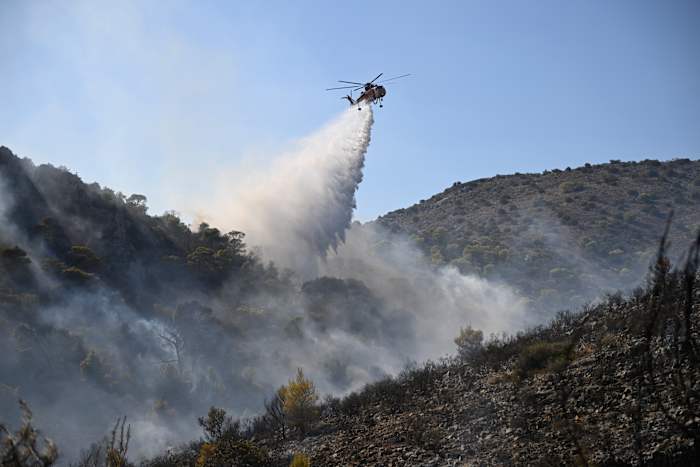
The smoke reached the upper atmosphere over the Mediterranean long before the evacuation sirens wailed in the olive groves outside Athens. By the time two bodies were discovered in the scorched ruins of a property near the Greek capital, the narrative had already settled into a familiar, tired rhythm. Media outlets across the continent flashed breaking alerts about summer heat, dry brush, and overworked crews battling walls of flame. Yet treating these disasters as seasonal anomalies misses the structural rot eating away at European civil protection infrastructure. While politicians pledge solidarity and dispatch water-dropping aircraft across borders, the continent is sleepwalking into an era of permanent combustion.
Beneath the grim statistics emerging from Greece and the unexpected flare-ups in Belgium lie systemic failures that run far deeper than an unusually stubborn heatwave. Climate volatility provides the spark, but institutional inertia, fragmented forestry management, and chronic underfunding supply the fuel. When fire crosses international boundaries with the speed observed in recent weeks, it exposes the brittle nature of a regional defense strategy built on patchwork cooperation rather than unified operational command.
The Anatomy of a Continental Failure
Wildfires do not respect administrative districts, and they certainly do not care about European Union jurisdictional boundaries. When timberlands ignite in central Europe and scrublands burn across the southern fringe, the immediate response relies on the RescEU mechanism, an emergency reserve of firefighting assets.
The system works on paper. Planes are deployed from neighboring states, ground crews mobilize, and European flags wave at press conferences detailing international solidarity.
Look closer at the mechanics on the ground, and the cracks widen.
Local municipalities often bear the brunt of initial containment while lacking the heavy machinery required to carve effective firebreaks through dense undergrowth. Years of neglect in rural forestry management have left millions of hectares of woodland choked with deadwood. Decades of rural depopulation mean fewer farmers, grazers, and foresters are left on the land to clear brush and manage controlled burns during the damp winter months.
When a spark hits that kind of accumulated tinder in July, no amount of airborne water drops will save the watershed. Aircraft buy time, but they do not put out fires rooted in decades of policy neglect.
The Greek Tragedy and the Hellenic Reality
Greece represents the sharp end of this systemic failure. The rugged topography of the Peloponnese and the Attic peninsula creates natural wind funnels that turn localized blazes into firestorms within minutes.
The tragedy near Athens, where two lives were lost as flames overran rural escape routes, highlights a lethal disconnect between emergency warnings and infrastructure reality. Many Greek villages are accessible by only a single narrow road choked by pine trees and overgrown brush. When the grid fails and power lines snap under thermal stress, evacuation orders transmitted via text message arrive too late for communities trapped by shifting wind directions.
Athens has thrown billions at emergency response units, acquiring modern helicopters and bolstering ground personnel. Yet the country remains heavily reactive. Prevention budgets pale in comparison to suppression budgets.
Every euro spent on water tankers after a fire starts is a euro stolen from clearing the forest floor before the dry season begins. Local forestry departments remain chronically understaffed, operating under bureaucratic frameworks that pit regional authorities against national civil protection agencies in turf wars over jurisdiction and funding.
Belgium and the Myth of Northern Immunity
The simultaneous outbreak of significant fires in Belgium shatters the comforting illusion that catastrophic wildfires are exclusively a Mediterranean problem. Northern European ecosystems are entirely unaccustomed to the blistering dry spells that now characterize Western European summers.
Sandy soils in regions like Flanders and the Campine area retain moisture poorly when prolonged droughts set in. Pine plantations established during industrial forestry booms decades ago burn with ferocious intensity when stressed by heat.
When Belgian firefighters found themselves battling out-of-control blazes, the shock within local communities was palpable. Citizens interviewed on regional television expressed disbelief that their damp, temperate homeland could resemble a drought-stricken Greek island.
This psychological lag is dangerous. Municipalities across northern Europe have not invested in the heavy-duty tactical gear, thermal imaging drones, and specialized wildfire training required for this new climatic reality. Fire brigades trained primarily to handle structural urban blazes find themselves outmatched when confronting crown fires racing through pine canopies whipped by unpredictable gusts.
The Economic and Ecological Trap
The financial toll of this continuous burning extends far beyond immediate property damage and tourism revenue losses. Insurance markets are quietly panicking. Underwriters across Europe are reassessing risk models for properties situated near forested zones. Premiums are spiking, and in some high-risk regions, coverage is disappearing altogether.
Property owners are left uninsured or facing prohibitive costs to maintain defensible space around their homes. Local governments, already squeezed by national austerity measures, must shoulder mounting emergency cleanup bills while losing tax revenue from devastated agricultural and tourism sectors.
Ecologically, the soil pays the highest price. High-intensity fires burn so hot they sterilize the earth, destroying the organic layer that holds moisture and nutrients. When autumn rains finally arrive, there are no roots left to anchor the hillsides.
Massive mudslides and flash floods inevitably follow the summer burns, turning a single fire event into a multi-year ecological degradation cycle. The landscape shifts irreversibly from diverse mixed forest to scrubby, flammable chaparral, locking regions into an ecological trap from which escape grows harder with every passing year.
Reforming the Response
Solving this crisis requires an uncomfortable departure from traditional political theater. Buying more water-bombers is akin to prescribing aspirin for an aneurysm.
European nations must pivot decisively toward landscape-level prevention. That means subsidizing traditional agro-forestry practices, reintroducing controlled grazing in high-risk zones, and forcing landowners to maintain adequate fire buffers around rural settlements.
It requires rewriting zoning laws to prevent residential sprawl into vulnerable woodland interfaces. Most importantly, it demands a unified European firefighting doctrine that standardizes training, communications protocols, and equipment compatibility across all member states.
Until governments treat wildfire prevention with the same strategic urgency and funding rigor historically reserved for military defense, the smoke will keep rolling across the continent. The ashes near Athens and the scorched pine stands in Belgium are not isolated tragedies. They are preview chapters of a recurring continental history written in soot.