Washington is having the wrong fight.
Again.
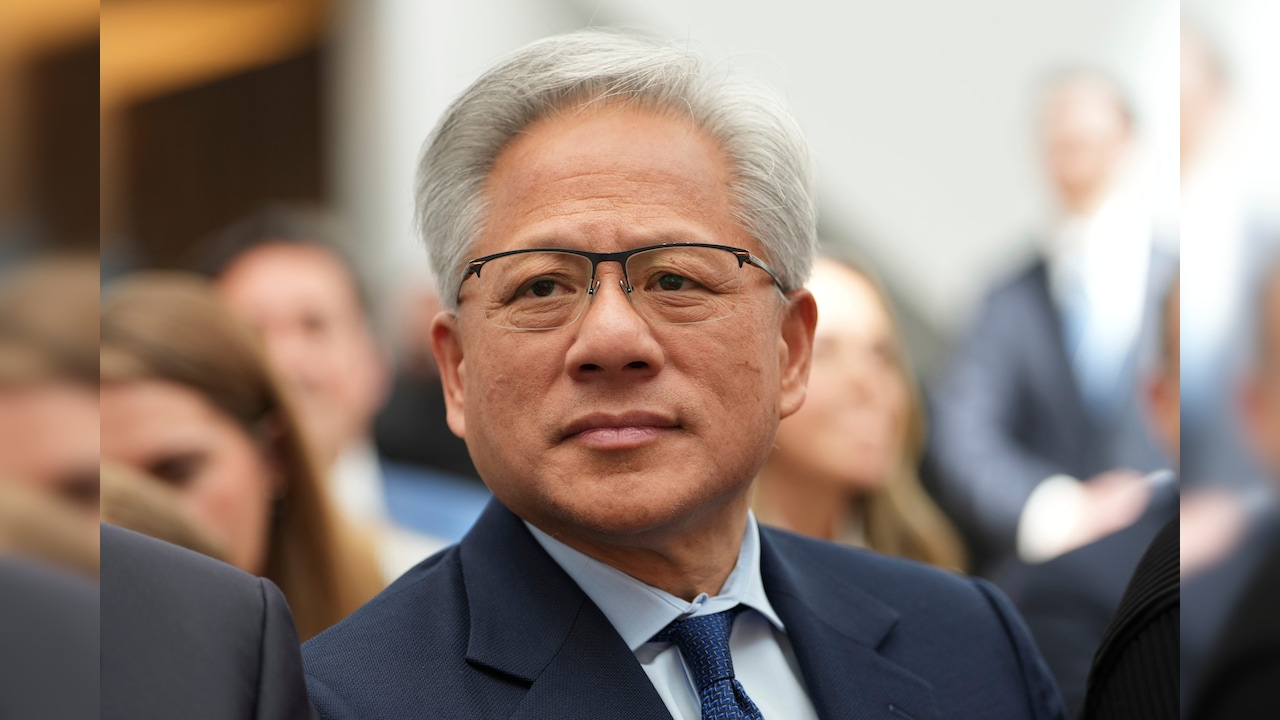
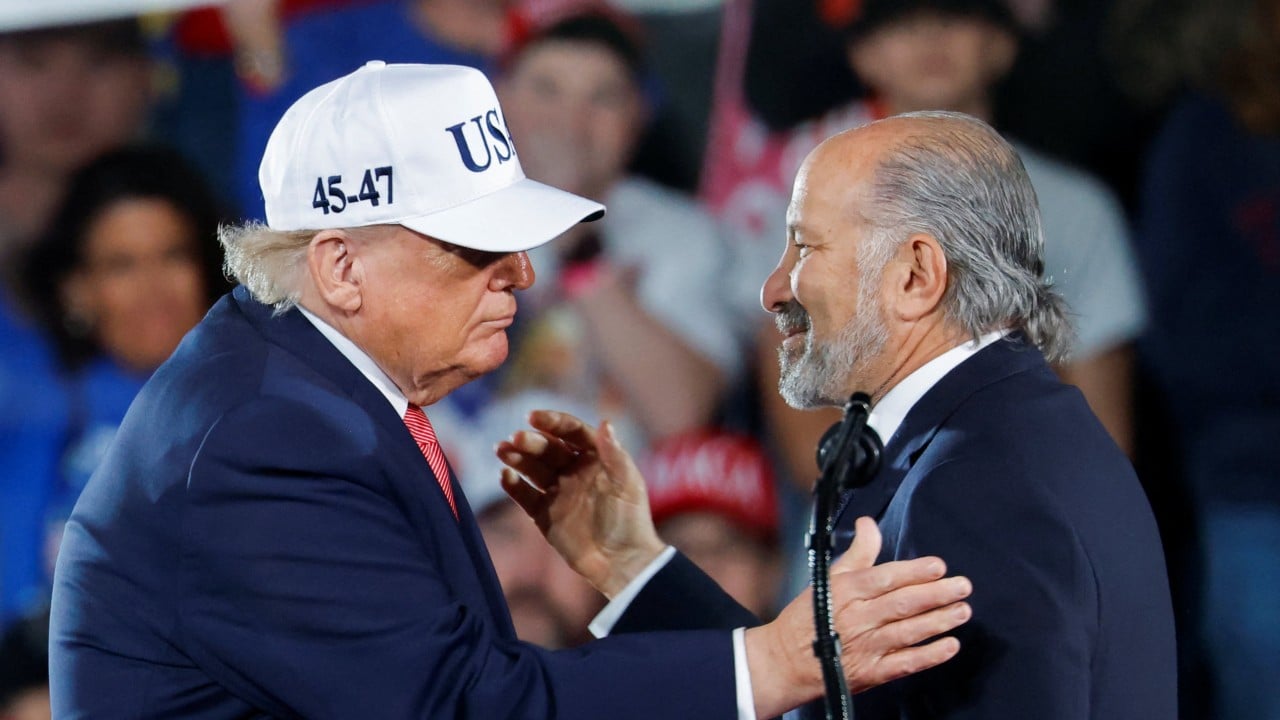
Anonymous sources whisper that the White House is weighing Howard Lutnick’s future as Commerce Secretary. Lawmakers demand records over Nvidia chip exports to China. Pundits treat the drama like a simple morality play: a Wall Street dealmaker gets too cozy with Jensen Huang, a spy scandal erupts around Huang, and suddenly a cabinet seat looks shaky.
Lazy consensus. Pure theater.
The real story is not whether Lutnick survives the week. The real story is that the United States built an export-control and tariff machine inside the Commerce Department that turns national security into a tollbooth—and then acted shocked when commercial incentives started driving the bus.
Replacing Lutnick without fixing the statutory machinery behind Bureau of Industry and Security licensing and Section 232 tariffs changes the actor, not the script.
The Lazy Consensus Around Lutnick’s Exit
Read the standard Washington coverage on Lutnick’s precarious standing and you will see the same two tropes repeated until they numb the brain.
Tropes one: Lutnick is a transactional billionaire who treats trade policy like a Cantor Fitzgerald trading desk, blurring lines between public enforcement, family business interests, and chipmakers pushing for access. Tropes two: if senior officials push him out, hardline hawks will suddenly lock down advanced compute flows to China and restore "discipline" to technology policy.
Both arguments miss how export controls actually fail in the real world.
Over years of advising industrial clients, watching supply chains re-route, and seeing compliance teams burn millions of dollars chasing moving targets, one rule stands out above all others: a control regime that relies on discretionary licensing and ad-hoc political deals invites lobbying by design. When a government creates a narrow exception, a high-value tariff mechanism, or a pauseable enforcement inquiry, every well-funded player in the market hires sharper lawyers, opens shell entities in third countries, and works the room at the top.
Blaming one secretary for the friction of discretionary statecraft is like blaming the referee for players diving in the penalty box. The incentives were baked into the rules long before Lutnick walked into 1401 Constitution Avenue.
What Export Controls and Tariffs Actually Do
To see why firing Lutnick is a distraction, look at the two levers sitting at the center of this storm: export licensing under the Export Control Reform Act and national-security tariffs under Section 232 of the Trade Expansion Act of 1962.
Congress designed export controls to keep dual-use and sensitive technologies—such as advanced AI accelerators and semiconductor manufacturing gear—out of adversarial hands. Section 232 was written to let the president adjust imports when a product threatens to impair national security.
When those tools get stitched together—routing foreign-made chips through U.S. review and collecting a 25% Section 232 levy before re-export, while lawmakers scrutinize license approvals, suspended inquiries into alleged smuggling networks, and potential family or firm ties—national security stops looking like a clean firewall. It starts looking like a negotiated toll.
And once a toll exists, two predictable distortions follow:
- Compliance becomes political theater: Companies spend fortunes building audit trails while policymakers argue over who got a fast track and who got blocked.
- Enforcement loses credibility: When an investigation pauses or a license clears a buyer with questionable ties or thin physical footprints, allies doubt U.S. seriousness and rivals see loopholes worth exploiting.
Think about the structural tension inside the Commerce Department itself. The same cabinet office is tasked with promoting American commercial competitiveness and policing sensitive technology transfers. Those goals pull in opposite directions every single day. Asking any single appointee—whether a Wall Street veteran like Lutnick or a career bureaucrat—to square that circle without clear statutory guardrails guarantees constant turf wars with the Treasury, State, and Defense departments.
Addressing the Questions Everyone Keeps Asking
Is Howard Lutnick actually on his way out?
Nobody outside the innermost circle knows whether a public vote of confidence is a prelude to a quiet exit or genuine backing. In Washington, loyalty pledges often age like milk right before a resignation letter drops.
More importantly, the probability of his removal is the wrong metric. If the White House keeps him, critics will claim the administration is protecting cronyism and weak enforcement. If the White House ousts him, the next secretary will inherit the exact same statutory gray zones, congressional subpoenas and record-preservation demands, and fierce lobbying from both chipmakers and national-security hawks.
Did Nvidia’s China chip dealings break the system, or just expose it?
They exposed it.
Advanced semiconductors are the bottleneck of modern computing, which makes them magnet-grade bait for espionage, front companies, and gray-market diversion. Whenever enforcement relies heavily on case-by-case approvals and discretionary exemptions rather than bright-line rules and verifiable end-use checks, pressure builds at the top.
Imagine a scenario where a company faces a choice between walking away from billions in revenue and lobbying for a specialized license or tariff arrangement. Any fiduciary board in capitalism knows which way that pressure pushes management. The flaw is expecting corporate boards to act like intelligence officers when the regulatory framework leaves room for deals.
Would a tougher Commerce Secretary fix AI chip security?
Not by sheer willpower alone.
A tougher secretary can sign more denial letters, add more names to entity lists, and speak more harshly in hearings. That matters at the margins. It does not magically solve transshipment through third countries, shell addresses, or conflicting priorities across agencies like Treasury and State.
Real enforcement requires clean authority, transparent rules, and tight coordination across intelligence, customs, and export-control investigators—not just a louder voice at the cabinet table.
What Heavy Hitters Get Right—and Where My View Has Teeth
Serious observers of trade and national security, from former export-control officials to congressional oversight leaders, have long warned that mixing discretionary commercial favors with security reviews corrodes trust in U.S. policy. Lawmakers pressing for preserved records and clearer accountability on chip licensing and conflicts of interest are raising real governance questions, not inventing them out of thin air.
At the same time, veteran trade practitioners know the flip side: over-broad unilateral rules without allied alignment can backfire, pushing foreign buyers to design around American technology entirely.
Here is the honest downside to my own contrarian take: treating this primarily as a structural and statutory design flaw can sound clinical when voters and lawmakers see personal entanglements and national-security risks. If officials actually abused public office for private gain or compromised security oversight, institutional excuses do not erase individual accountability. Both matter. You cannot let bad rules excuse bad conduct, and you cannot let personnel shakeups blind you to bad rules.
What You Should Do Instead of Chasing Rumors
If you run a hardware company, manage an institutional portfolio, or track policy risk for a living, stop refreshing leak trackers for "sources say" cabinet gossip. Do three practical things instead:
- Audit your supply chain for political exposure, not just legal compliance. Legal box-checking rarely saves a deal when congressional letters fly. Map every customer, distributor, and data-center partner whose business touches sensitive compute or contested jurisdictions.
- Price in licensing whiplash. Build financial models assuming export rules, tariff interpretations, and enforcement priorities will shift mid-cycle regardless of who sits in the Commerce chair.
- Separate headline risk from operational reality. A cabinet shakeup changes tone fast; changing regulations and enforcement workflows takes months. Watch rulemaking dockets, end-user screening standards, and interagency moves—not cable-news soap operas.
Fix the tollbooth, or keep watching people argue over who collects the change.