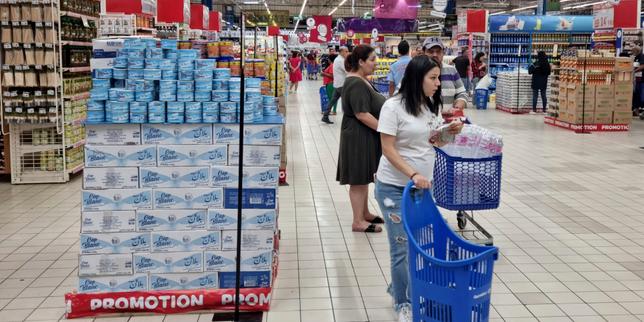
Trudge into any neighborhood corner shop across Tunis or Sousse on a scorching afternoon, and you'll likely hit a wall of frustration. Empty shelves where mineral water packs used to sit have become the defining image of late summer. The quiet dependence on bottled water in Tunisia turned into an open-air stress test as August temperatures pushed grids, supply chains, and consumer nerves to the absolute limit.
You're told it's just a temporary heatwave effect. But scratching beneath the surface reveals a messy tangle of surging consumption, electrical grid failures, speculative hoarding, and systemic financing knots that caught everyone flat-footed.
When Demand Outpaces Reality
Tunisia ranks among the highest global consumers of bottled water per capita, a habit largely driven by persistent doubts over the drinkability of residential tap water in many areas. When summer temperatures spike, consumption doesn't just edge upward—it explodes. Industry data indicates that demand jumped by roughly thirty percent compared to typical periods.
Factories claim they're running at maximum capacity. Yet, the math simply stopped working. Winter stockpiles, usually meant to cushion the blow of the predictable summer surge, vanished weeks ahead of schedule. When every household tries to buy extra packs simultaneously, the commercial plumbing of the country dries up fast.
The Hidden Bottlenecks Behind the Empty Shelves
Blaming the weather is easy, but it's lazy. Several mechanical failures compounded the crisis behind closed doors:
- Electrical Instability: Frequent power cuts forced sudden shutdowns across key production facilities, halting bottling lines right when output needed peak momentum.
- The Cash Flow Squeeze: New regulatory shifts regarding commercial checks altered how wholesalers and distributors finance large purchases, tightening liquidity across informal networks.
- Predatory Speculation: Unscrupulous intermediaries seized the moment. Authorities cracked down on illegal warehouses hoarding tens of thousands of liters, diverting essential goods away from legal circuits to inflate prices artificially.
Government intervention came hard and fast. Ministries stepped in to cap retail prices—setting strict limits like 850 millimes for a standard 1.5-liter bottle—and flooded major urban centers like the Grand Tunis area with millions of emergency bottles. Police raids on unauthorized storage units netted massive seizures of hidden stock.
Surviving the Supply Crunch
Navigating these shortages requires breaking old shopping habits. Buying water shouldn't feel like a treasure hunt, but until distribution networks fully restabilize, smart navigation keeps frustration low.
Stop hoarding. Panic-buying three extra carts of water only guarantees that the elderly neighbor down the street finds completely bare aisles. Instead, buy what you need for the day and trust that emergency injections by regional authorities are making their way slowly back into standard grocery stores. Keep an eye on local independent retailers rather than massive hypermarkets where stock vanishes within minutes of delivery.
The cooling weather will naturally dial down the frantic consumer panic. But the underlying vulnerabilities in energy reliability and distribution transparency won't fix themselves before the next heat wave hits.