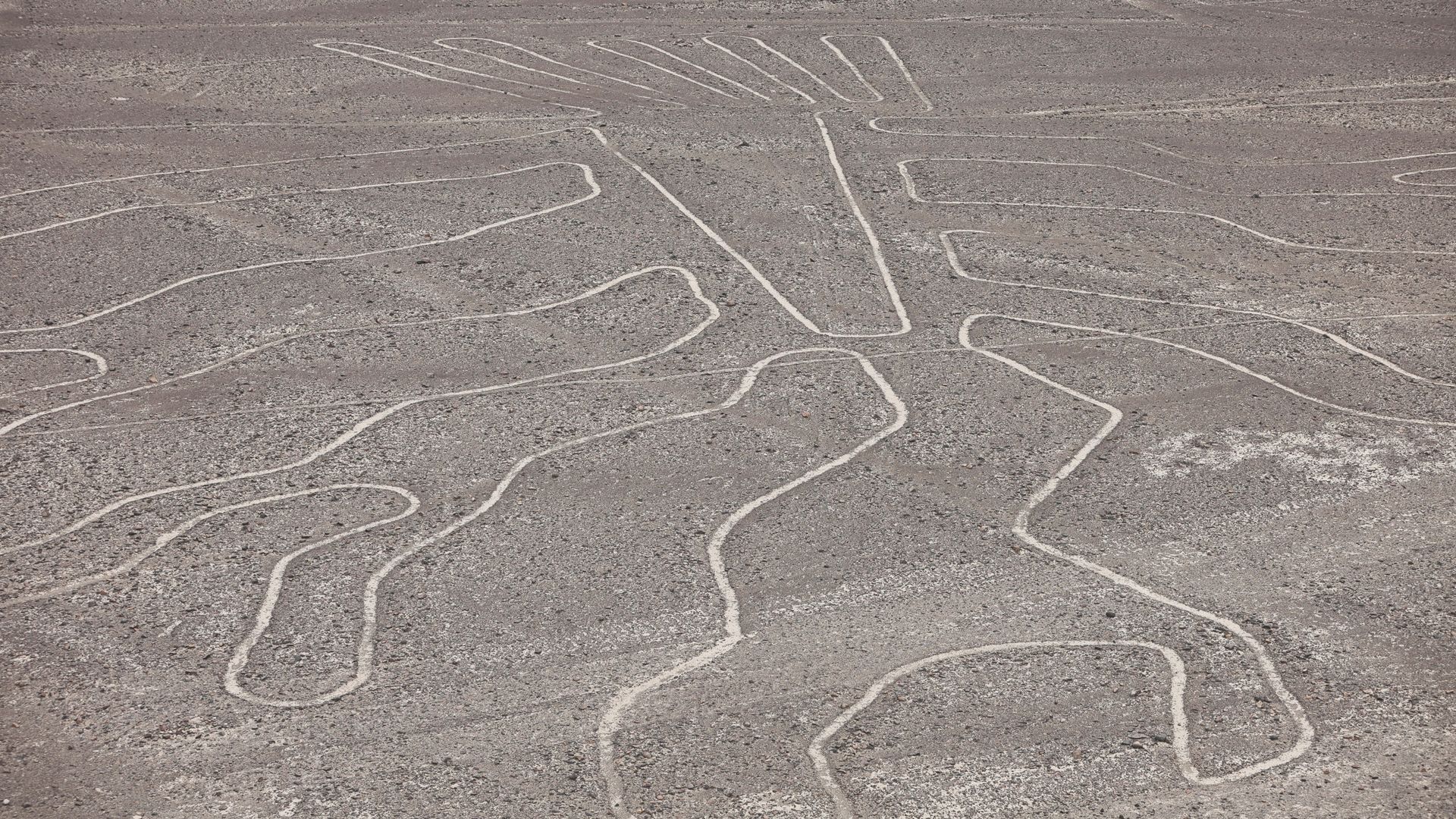
The desert does not keep secrets; it only buries them beneath a glare so fierce it flattens the horizon. From the ground, the pampa of southern Peru looks like an eternity of baked earth and wind-scoured stone. But look down from an altitude of a few thousand feet, and the desert transforms. It becomes an enormous, ancient manuscript written by hands that vanished a thousand years ago. Massive hummingbirds, straight-lined trapezoids, and spiders stretching hundreds of feet wide materialize from the monochrome dust.
To see them, you have to leave the earth.
Thirteen people climbed into a Cessna Grand Caravan belonging to the local airline Aerodiana on a Saturday afternoon, trusting the sky to grant them a glimpse of history. Among them were eleven passengers—foreign travelers including seven Italians, two Germans, and two Spanish citizens—who had traded the predictable comforts of home for the raw, high-altitude magic of the Andes and the coast. At the controls sat two pilots, Americo Salazar Cuellar and Irenka Del Carpio, professionals accustomed to the fickle coastal winds and the thermal currents dancing off the arid soil.
They departed Pisco Airport just after midday, their flight plan a familiar routine replicated thousands of times by tourism operators in the region. Sightseeing flights over the Nazca Lines are a rite of passage for visitors navigating Peru’s vast cultural landscape. Passengers lean hard against cabin windows, cameras clicking rhythmically, as the aircraft banks sharply to offer everyone a view of the monumental geoglyphs etched between five hundred BC and five hundred AD.
Then, the geometry of the routine broke.
Consider what happens next in the quiet control rooms miles below. At approximately one o'clock, a crackle of radio static brought an emergency call from the cockpit. Then, silence.
Within minutes of losing contact with the tower, the aircraft came down near Pueblo Viejo, roughly four miles from the city of Nazca and a short distance from the archaeological site itself. The impact was catastrophic. Local authorities and police officers arriving at the scene found a brutal landscape of smoking wreckage swallowed by the desert floor. The fire that erupted upon impact left no room for miracles. All thirteen souls onboard were gone, instantly turning a journey of discovery into a global tragedy.
The immediate aftermath is a familiar machinery of grief and bureaucracy. Investigators from civil aviation authorities descended on the dust-choked plains to comb through twisted metal, searching for answers in flight data recorders, maintenance logs, and weather reports. Questions linger about the atmospheric conditions of that afternoon—wind shears and thermal inversions that routinely challenge small aircraft navigating the desert canyons. Only a day prior, regional authorities had suspended flights at nearby airstrips due to high winds and plummeting visibility. Whether nature dealt a fatal hand or mechanical failure intervened remains under active investigation.
Yet, statistics and investigation reports fail to capture the weight of what was lost. Behind every passport number released by consular officials lies an unfinished life. A German couple sharing a final vacation; Italian and Spanish travelers who packed their bags with anticipation, completely unaware that their final moments would be framed by ancient symbols carved by a civilization they came halfway across the world to understand.
Travel is fundamentally an act of faith. We step into aluminum tubes, climb into small bush planes, and surrender control to strangers in uniform, all for the fleeting privilege of witnessing the world's profound beauty. We trust the maintenance checks, the weather forecasts, and the quiet expertise of pilots whose names we rarely learn until tragedy makes them headlines.
Down on the pampa, the ancient lines remain undisturbed by the fire a few miles away. The giant spider and the condor continue to stretch across the desert, indifferent to the transient nature of the creatures who fly above them. They have watched civilizations rise, fracture, and blow away like sand for millennia. But for the families scattered across Europe and the heartbroken communities in Peru, the horizon will never look the same again.
The wind sweeps across the southern coast, carrying the dust away from the charred earth, leaving behind only the vast, silent sky and the memory of thirteen lives that vanished into the blue.