Bulletproof vests don't stop a virus. Health workers in the Democratic Republic of the Congo know this better than anyone. They face a double threat every single day. On one side, a deadly hemorrhagic fever. On the other, active gunfire from rebel militias.
World Health Organization Director-General Dr. Tedros Adhanom Ghebreyesus made the reality clear. He called for an immediate ceasefire in the conflict zones of the DRC. The reason is simple. You cannot track a deadly virus when you are dodging bullets.
This isn't just about global health policy. It's about basic survival on the ground. When fighting intensifies, public health efforts grind to a halt. Contact tracing stops. Vaccination clinics close down. The virus wins every time the guns fire.
Understanding this crisis means looking at how conflict fuels disease transmission.
The Impossible Task of Containment in a War Zone
Ebola response relies on speed and trust. Medical teams must identify infected individuals quickly. They need to trace every single person who came into contact with the patient. Then, they administer the Ervebo vaccine to create a buffer zone.
Active warfare breaks this system completely.
Imagine trying to monitor a feverish patient while an armed rebel group launches an attack down the street. It doesn't work. Health workers have to flee. Patients scatter into the jungle or cross porous borders into neighboring countries like Uganda or Rwanda.
Ebola Outbreak Response Pillars:
1. Rapid Case Detection (Requires safe access to communities)
2. Ring Vaccination (Requires stable tracking of contacts)
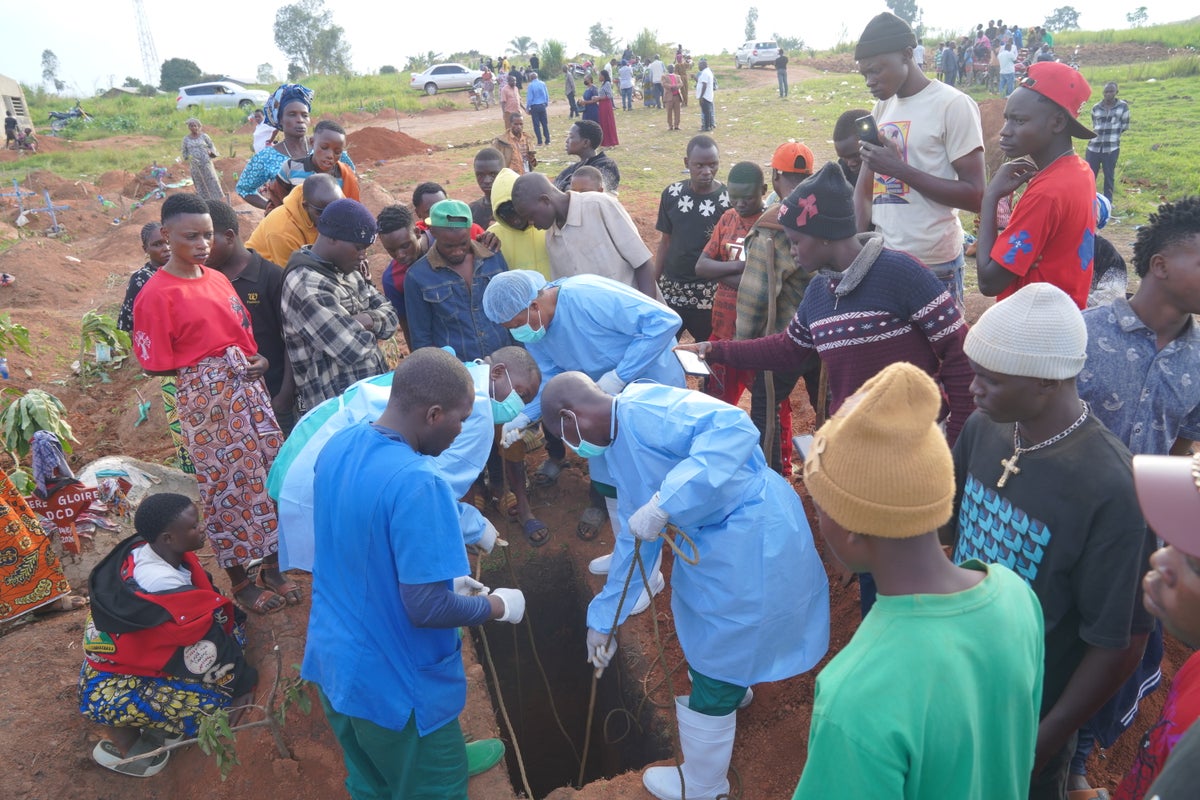
3. Safe Burials (Requires community trust and access)
4. Treatment Centers (Requires secure supply lines)
During previous major outbreaks in North Kivu and Ituri provinces, dozens of attacks targeted health facilities. Rebel groups like the Allied Democratic Forces frequently operate in these areas. They view international aid workers and government forces with deep suspicion. When a clinic gets torched, the community loses its defense line against the disease.
Why a Ceasefire is the Only Viable Strategy
A temporary truce isn't a political favor. It's a medical necessity. Dr. Tedros emphasized that unless all warring parties lay down their weapons, the outbreak could spill over. It can easily become a regional catastrophe.
History shows us what happens when we ignore this link.
The 2018–2020 DRC outbreak became the second-largest in history, recording over 3,400 cases and more than 2,200 deaths. Security incidents directly caused spikes in cases. Every time a town fell to a rebel offensive or a riot erupted, a new cluster of Ebola cases emerged a few weeks later.
A ceasefire changes the game on the ground by allowing three things to happen.
Restoring the Ring Vaccination Chain
The Ebola vaccine requires a strict cold chain to remain effective. It needs ultra-low temperature storage. Power grids are nonexistent in deep conflict zones, so teams rely on generators and specialized transport. Gunfire blocks the roads. A ceasefire opens the transit corridors.
Rebuilding Fractured Community Trust
Decades of war breed intense distrust. When local populations see armed military escorts accompanying foreign doctors in hazmat suits, they panic. They hide their sick relatives. A truce allows community leaders, local pastors, and elders to step in. They can explain the medical interventions without the shadow of military intimidation.
Ensuring Safe and Dignified Burials
The bodies of Ebola victims are highly contagious. Traditional burial practices often involve washing the deceased, which spreads the virus rapidly. Specially trained teams must handle these burials. Without a ceasefire, these teams cannot reach remote villages, leading families to bury their dead secretly and ignite new chains of infection.
The Global Cost of Inaction
We often treat distant outbreaks as local problems. That is a massive mistake. In an interconnected world, a breakdown in containment anywhere is a threat everywhere.
The WHO allocates millions from its Contingency Fund for Emergencies to deploy staff, equipment, and therapeutics like Ebanga and Inmazeb. But money is useless if personnel cannot step out of their compounds.
International donors pour cash into high-tech solutions. Yet, the bottleneck remains entirely human and political. The international community must pressure regional actors and rebel backers to honor humanitarian corridors.
If the security vacuum remains, the virus mutates, spreads, and claims more lives.
Shifting Focus From Treatment to Access
We have the science to beat Ebola. The medical tools exist. Monoclonal antibodies save lives if administered early. The vaccine works incredibly well. The failure to stop an outbreak in the DRC is rarely a failure of medicine. It is a failure of access.
To protect vulnerable populations, international diplomacy must align with epidemiological realities. Health agencies need to negotiate directly with local factions for humanitarian access, independent of state politics.
If you want to track the current response efforts or support organizations providing direct ground-level healthcare in conflict zones, look into groups operating alongside local structures. Support the International Rescue Committee or Médecins Sans Frontières. They frequently navigate these complex security terrains to keep clinics open.
Demand that international foreign policy treating the DRC focuses on brokering localized health truces. Without them, the next outbreak will always be just one gunshot away from spiraling out of control. Ensure pressure stays on regional political bodies to enforce humanitarian neutrality for all medical personnel. It's the only way to let the doctors do their jobs.