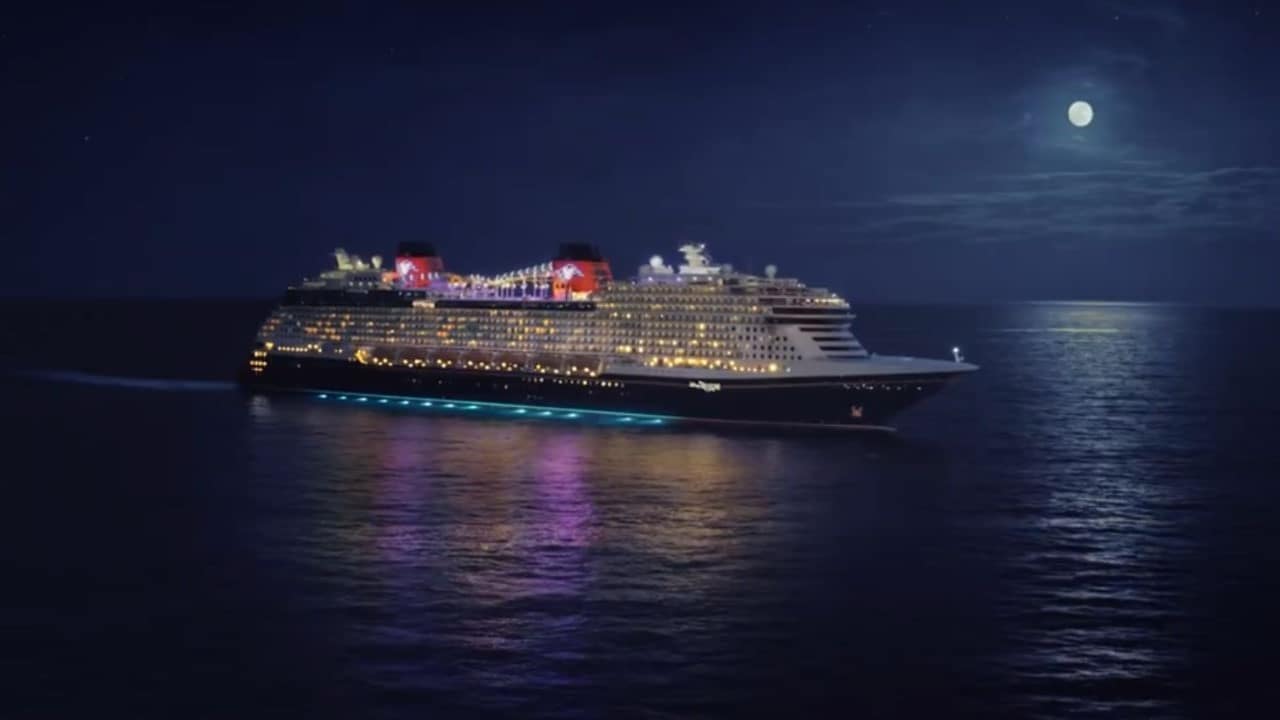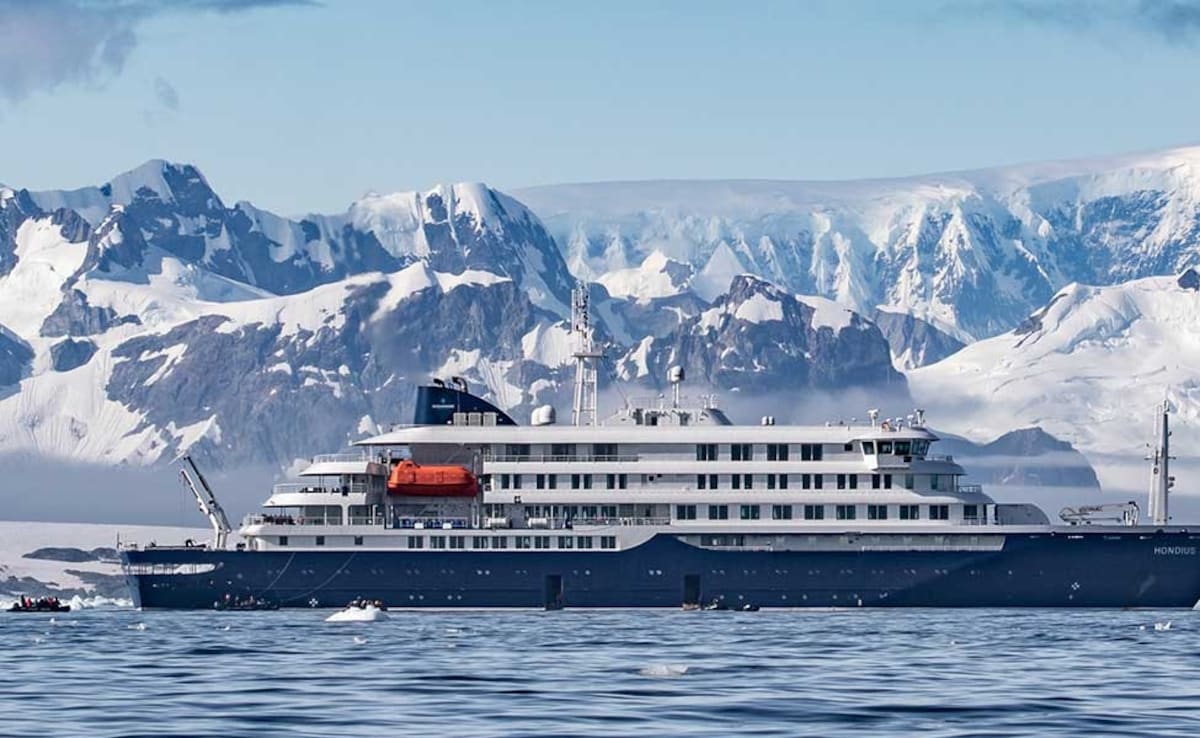
Panic sells cabins. Or rather, panic sells the news cycles that keep you from booking them.
The headlines currently screaming about a "Hantavirus-hit" cruise ship are a masterclass in biological illiteracy. Media outlets are feeding a narrative of trapped passengers, floating petri dishes, and a looming domestic apocalypse. They want you to envision a silent, rodent-borne killer stalking the Lido deck. They want you to fear the homecoming.
They are wrong. Not just slightly off—fundamentally, scientifically, and logically wrong.
If you are shivering in your stateroom because of a headline, you aren't a victim of a virus. You’re a victim of bad math. The "lazy consensus" suggests that a cruise ship is a uniquely dangerous vector for Hantavirus. The reality? You are statistically safer sharing a cabin with a dusty suitcase than you are hiking in a suburban park.
The Geography of Ignorance
Hantavirus Pulmonary Syndrome (HPS) is not the flu. It doesn't jump from person to person because someone coughed on the breakfast buffet. In the Americas, transmission is almost exclusively through the inhalation of aerosolized droppings, urine, or saliva from specific rodents—primarily the deer mouse.
Unless your cruise ship is currently navigating through a grain silo in the rural Southwest or a shed in the Rockies, the risk profile is non-existent. Hantavirus is a disease of the rural interior, not the high seas. To suggest a ship is a breeding ground for this specific pathogen ignores the basic ecology of the virus.
I have spent two decades analyzing maritime risk and public health logistics. I’ve seen ships quarantined for Norovirus—which is a legitimate, high-velocity threat in closed environments. But Hantavirus? That’s like worrying about a shark attack in a mountain lake. The biology simply doesn't support the hysteria.
The Myth of the Floating Petri Dish
The standard argument is that ships are "enclosed systems" that accelerate outbreaks. While true for respiratory viruses like Rhinovirus or gastrointestinal nightmares like Norovirus, this logic collapses when applied to Hantavirus.
- Species Specificity: Deer mice do not live on cruise ships. Shipping containers and port facilities are monitored with a level of aggression that would make a prison warden blush. The "vectors" required for Hantavirus don't survive the industrial cleaning protocols of a modern vessel.
- Environmental Degradation: The virus is fragile. It doesn't survive long-term exposure to the UV light and salty air that define the maritime environment.
- Human-to-Human Stasis: With the exception of the Andes virus in South America, Hantavirus does not spread between humans. The fear of "what awaits back home" implies a contagion risk to the public. That risk is zero. You cannot start a Hantavirus epidemic in a suburb by getting off a boat.
The media paints a picture of a ticking biological clock. In reality, the clock isn't even wound.
Why We Crave the Scare
We love a cruise ship horror story because it touches on a primal fear: the loss of agency. You are on a vessel in the middle of the ocean. You can’t leave. This makes for great cinema but terrible epidemiology.
The "Passengers Fear What Awaits" angle is a cheap psychological trick. It shifts the focus from the actual risk (which is negligible) to the stigma of the risk. People aren't afraid of the virus; they are afraid of the quarantine. They are afraid of being the "outcast" returning from the plague ship.
This is where the industry fails. Cruise lines spend millions on "wellness" branding and "enhanced cleaning" but pennies on actual risk communication. They allow the vacuum of information to be filled by sensationalist rags. By playing defense, they validate the fear.
The Real Numbers Nobody Mentions
Let’s talk about $P$, the probability of infection.
For a standard passenger, the math looks like this:
$$P = (V \times E \times C)$$
Where:
- $V$ is the presence of a viable viral load in the environment.
- $E$ is the exposure time to aerosolized particulates.
- $C$ is the concentration of the specific rodent vector.
On a cruise ship, $C$ is effectively zero. Therefore, $P$ is zero.
Compare this to the 2012 Yosemite outbreak. In that instance, the $C$ variable was high because people were sleeping in "signature tent cabins" that had mouse nests in the insulation. That was a localized, environmental failure. A cruise ship, with its steel bulkheads, HEPA filtration, and constant chemical sanitization, is the literal antithesis of a Hantavirus habitat.
Stop Trying to "Sanitize" the Narrative
If you want to be a savvy traveler, stop looking for "all-clear" signals from the news. Start looking at the mechanics of the threat.
The unconventional truth is that a "Hantavirus-hit" ship is likely the cleanest place on earth. Why? Because the moment a single case is suspected—rightly or wrongly—the crew goes into a localized scorched-earth cleaning protocol. The surfaces on that ship are currently more sterile than an operating room in a mid-tier hospital.
The danger isn't the virus. The danger is the regulatory overreaction.
When port authorities and health agencies panic, they make decisions based on political optics, not clinical data. They hold ships at anchor to "appear" proactive. This creates the very misery the passengers fear. The suffering is man-made, manufactured by bureaucrats who don't understand the difference between a rodent-borne pathogen and a common cold.
The Actionable Reality
If you are on that ship, or planning to board one:
- Ignore the "What-If" Contagion: You are not a walking biohazard. Stop acting like one.
- Focus on the Real Risks: You are 10,000 times more likely to suffer from dehydration or a slip-and-fall in the shower than you are to contract HPS.
- Demand Data, Not Vibes: If the cruise line or the media can't identify the specific environmental source of the rodent exposure, the "outbreak" is likely a misdiagnosis or an isolated incident involving a pre-existing condition.
The status quo of travel reporting is built on a foundation of "what if." What if it spreads? What if we're trapped?
Start asking "How?" How does a land-based, rodent-specific virus survive on a steel vessel? How does a non-communicable disease threaten a home population?
It doesn't.
The fear isn't just misplaced; it's an insult to your intelligence. The next time you see a headline about a ship-borne apocalypse, remember that the ocean is deep, but the media's understanding of virology is incredibly shallow.
Go to the buffet. The only thing you should be worried about catching is a tan.