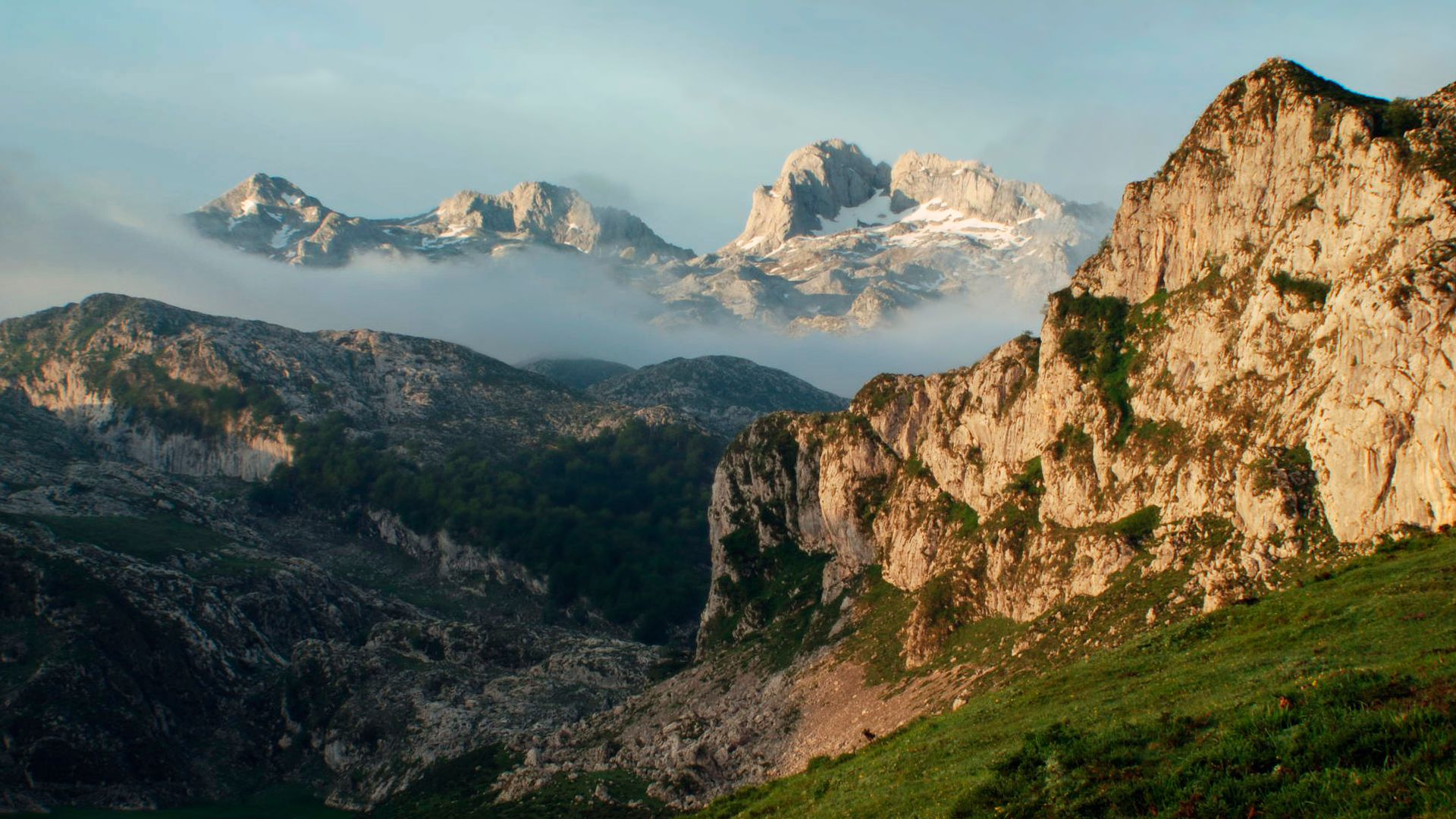
A twenty-eight-year-old British climber lost his life following a fall near the summit of a prominent Spanish peak, an incident that once again exposes the unforgiving nature of winter mountaineering in the Pyrenees. Emergency rescue teams recovered the body after a perilous operation dictated by treacherous weather windows and unstable terrain. While routine news cycles treat such events as isolated anomalies or tragic misadventures, veteran alpine analysts recognize a familiar, systemic pattern of miscalculation, shifting environmental baselines, and the dangerous illusion of accessibility that modern outdoor marketing projects onto serious alpine environments.
The incident unfolded on the slopes of the Pyrenean range, a terrain frequently underestimated by foreign visitors who mistake its southern European latitude for a benign climate. Unlike the towering giants of the western Alps, the Pyrenees present unique technical challenges. Rapidly shifting weather systems can transform a clear morning ascent into a blinding whiteout within minutes. Steep gullies, hard-packed snowfields, and concealed ice demand absolute technical proficiency, proper winter gear, and an acute awareness of micro-meteorological shifts. When a climber slips near a high-altitude ridge, margins for error shrink to absolute zero. The physical reality of the mountain does not negotiate with experience levels or intentions.
The Illusion of Accessibility in Modern Mountaineering
Commercialization and digital route-sharing platforms have fundamentally altered how people approach remote wilderness. Social media algorithms reward exposure, turning technical peaks into aesthetic backdrops for digital consumption. Route descriptions online often sanitize extreme danger, reducing complex alpine routes to step-by-step checklists or weekend itineraries. This democratization of information creates a dangerous confidence gap. Ambitious hobbyists consume hours of video content, convincing themselves that familiarity with a route equates to personal mastery over its physical hazards.
Mountain rescue coordinators across Europe report a steady rise in callouts involving individuals unequipped for the sheer speed at which alpine conditions deteriorate. Navigation apps provide a false sense of security, encouraging climbers to push past safe turnaround times. When visibility drops and temperatures plummet, a smartphone screen offers zero warmth and no structural anchor against a sheer drop. The victim in this recent Pyrenean tragedy operated within a broader culture that treats high-altitude terrain as a recreational park rather than an untamed, high-risk environment.
Anatomy of an Alpine Incident
Understanding why fatal falls happen requires looking past the immediate mechanics of a slip. Mountaineering accidents are rarely caused by a single catastrophic failure. They are almost always the culmination of a hazard chain. A delayed start due to logistical friction, minor route-finding errors, subtle fatigue accumulating at altitude, and a reluctance to turn back within sight of the summit combine to push a climber past their physiological and technical threshold.
Consider the dynamics of high-altitude decision fatigue. As climbers ascend into thinner air, cognitive function declines. Complex risk assessment becomes exhausting. The psychological pull of the summit—what mountaineers call summit fever—overrides caution. When conditions turn sour just below the peak, the brain urges completion rather than retreat. Stepping onto a wind-scoured ridge with microspikes instead of fully cramponed mountaineering boots, or failing to rope up on exposed ice, represents the lethal tipping point where convenience supersedes protocol.
Rescue operations in the Pyrenees highlight the logistical nightmare of high-altitude recovery. Spanish rescue units, specifically the Guardia Civil's GREIM, operate with exceptional skill, but physics dictates their timeline. Helicopters cannot fly in high winds or zero-visibility fog. Ground teams must climb into the danger zone on foot, carrying heavy medical and extraction gear. Every hour spent waiting for weather to clear or teams to mobilize exponentially lowers survival rates for trauma victims suffering from hypothermia or severe impact injuries.
The Changing Face of Pyrenean Climbs
Climate disruption has introduced new variables into traditional European mountaineering routes. Warmer autumns and erratic winter snowpacks mean traditional ice routes are melting out earlier, exposing unstable rock and loose scree. Freeze-thaw cycles weaken rock anchors, leading to unpredictable rockfall in areas previously considered stable. Climbers relying on outdated guidebooks or historical weather patterns find themselves navigating terrain that behaves entirely differently than it did a decade ago.
This environmental volatility demands a higher caliber of situational awareness. Veteran guides note that modern climbers often lack the intuitive mountain sense forged through years of gradual apprenticeship in local clubs. Instead, many transition rapidly from indoor climbing gyms to high-consequence alpine routes, bypassing the necessary intermediate phases of learning how mountains weather, how snowpack transforms under solar radiation, and how to read the physical language of a deteriorating ridge.
Navigating the Risk Matrix
Mitigating risk in the high mountains requires a fundamental shift in mindset. It demands treating every forecast as a worst-case scenario and viewing the summit as an optional bonus rather than the primary objective. Experienced mountaineers build strict safety margins into their itineraries, establishing hard turnaround times regardless of how close they are to the peak. They accept failure as a valid, intelligent outcome of a day in the hills.
The tragedy in the Pyrenees serves as a stark reminder that nature remains entirely indifferent to human ambition. As long as mountains are marketed as conquerable commodities rather than hostile, beautiful sanctuaries requiring deep respect, young climbers will continue to pay the ultimate price for miscalculated margins. The ridges of the Pyrenees will continue to stand, indifferent, watching those who pass beneath their jagged crests.