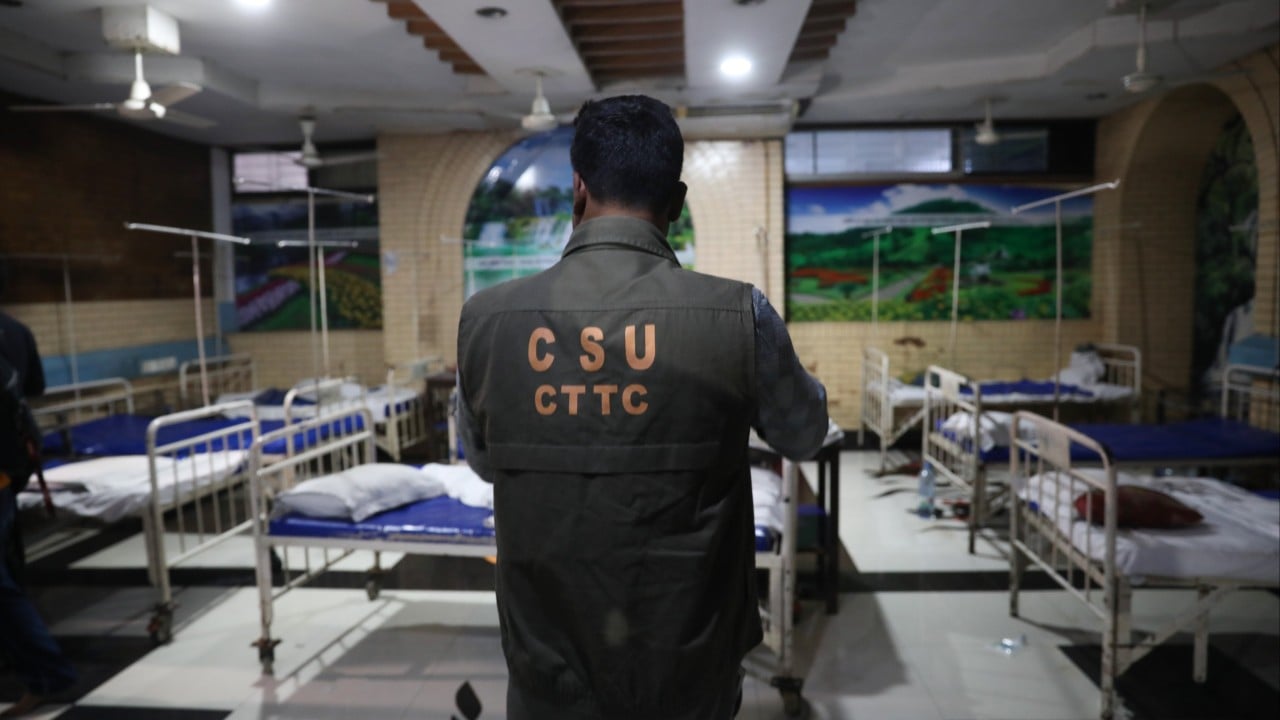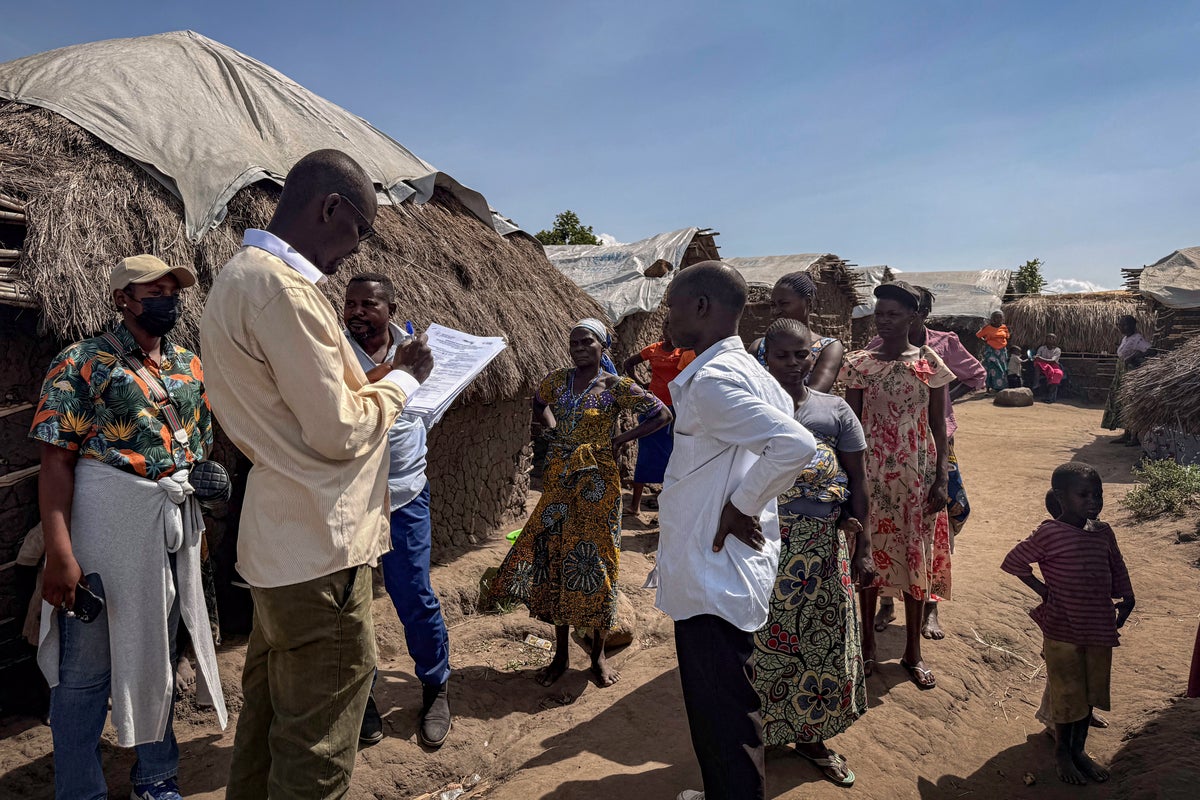
The tragic burial of another front-line physician in the Democratic Republic of Congo is treated by international media as an inevitable, heroic sacrifice. The narrative is always identical. A brave doctor fights Ebola on the ground, succumbs to the virus, and is buried in a somber, highly secure ceremony while international agencies wring their hands and call for more funding.
This framing is not just lazy. It is dangerous. Recently making waves in related news: Stop Blaming the AC: The Real Reason Newborns Are Dying in Private Hospitals.
The Western obsession with treating outbreak response as a series of individualized, heroic battles obscures a systemic failure in global health architecture. We have turned infectious disease management into a martyrdom pipeline. By focusing the spotlight on the tragedy of the fallen expert, the global health apparatus evades a much uglier truth: the current operational model for managing hemorrhagic fevers in developing nations is fundamentally flawed, paternalistic, and mathematically unsustainable.
The Myth of the Indispensable Foreign Intervention
When an Ebola outbreak hits sub-Saharan Africa, the standard playbook deploys an army of external experts, non-governmental organizations (NGOs), and specialized clinical teams. The underlying assumption—the quiet consensus nobody wants to say out loud—is that local infrastructure is entirely incapable of managing the threat without Western supervision. Further insights regarding the matter are covered by WebMD.
This top-down, savior-complex approach creates a fragile ecosystem.
Consider the mechanics of a standard Ebola Treatment Unit (ETU). These are often high-tech, isolated fortresses built with foreign capital. They operate under protocols designed in Geneva or Atlanta. While they provide excellent bio-containment on paper, they completely ignore the anthropological reality of the communities they occupy.
When a local doctor dies within this system, the media laments the loss of "scarce medical expertise." What they miss is that the system itself engineered the vulnerability. By pulling local clinicians out of primary care networks and thrusting them into poorly integrated, high-risk foreign containment zones without long-term structural backing, we isolate them from the very communities they need to protect.
The Mathematics of Containment vs. Treatment
Global health funding pouring into the DRC consistently over-allocates capital to reactive treatment facilities rather than proactive, decentralized surveillance.
Let's look at the raw epidemiological data. Hemorrhagic fevers like Ebola are highly lethal but structurally inefficient multipliers compared to respiratory pathogens. Transmission requires direct contact with bodily fluids. Therefore, the primary driver of an outbreak is not a lack of intensive care beds; it is a breakdown in community trust and early detection.
$$\text{Basic Reproduction Number } (R_0) = \beta \times c \times d$$
Where:
- $\beta$ is the transmissibility (probability of infection per contact).
- $c$ is the contact rate.
- $d$ is the duration of the infectious period.
Western interventions pour millions into altering the clinical environment to decrease mortality for the individual patient (modifying the duration of the illness or the outcome). However, they routinely fail to suppress the contact rate ($c$) because the community views the foreign-run ETU as a black hole where loved ones go to die and disappear into body bags.
When a prominent local physician dies, it doesn't just reduce the healthcare workforce by one. It triggers a massive spike in community resistance. The local population reasons: If the Western medicine cannot save the doctor, the Western medicine is either useless or malicious. The contact rate shoots up as patients hide their sick relatives at home, entirely undoing the utility of the multi-million-dollar treatment unit.
The Decentralization Alternative
I have watched international agencies burn through budgets on chartered flights, specialized field hospitals, and expatriate hazard pay while local clinics down the road lack basic personal protective equipment (PPE) like nitrile gloves and clean running water.
We must stop building temporary medical cathedrals in the middle of outbreaks. Instead, the entire strategy needs to pivot toward aggressive decentralization and radical transparency.
Shift Capital to the Perimeter
Instead of funding centralized, foreign-managed containment zones, capital must be permanently diverted to the lowest tier of existing healthcare delivery: rural dispensaries and community health workers. If a local clinic has the resources to practice standard barrier nursing every single day, an Ebola case is isolated before it ever becomes an outbreak.
Demolish the Securitized Burial Protocol
The "safe and dignified burials" managed by international teams are a flashpoint for violence and distrust. Forcing grieving families to watch strangers in white biohazard suits spray chemicals on their dead relatives destroys any chance of epidemiological cooperation. Protocols must be rewritten to hand ownership of the biological mitigation back to local religious and tribal leaders, equipping them with the tools rather than policing them with foreign security forces.
The Downside of Disruption
To be completely transparent, a decentralized approach means accepting higher variance in initial clinical outcomes. Western NGOs prefer centralized units because they can control every variable, limit their own liability, and produce clean metrics for donors. Decentralization means trusting local networks that may suffer from supply chain leakages or inconsistent data reporting. It is messy, it is politically difficult to justify to a board of directors in London or New York, and it forces the West to cede control. But it is the only way to stop the body count.
The Premise of Your Questions is Wrong
If you look at public forums and "People Also Ask" metrics regarding Ebola outbreaks in the DRC, the queries are invariably defensive and panicked:
- How can we protect international doctors traveling to outbreak zones?
- What new vaccines can Western pharmaceutical companies deploy?
- When will the World Health Organization declare an international emergency?
These questions assume that the solution to an African health crisis is more Western intervention, faster. They ask how to make the savior model safer, rather than asking why the savior model is still our default setting.
The question we should be asking is: Why are we still requiring doctors to be heroes?
Heroism is a sign of a structural deficit. You do not need heroic sacrifices in a system that possesses baseline operational integrity. When a physician dies of Ebola in 2026, it should not be celebrated as a noble martyrdom on the pages of international news sites. It should be investigated as a catastrophic regulatory and architectural failure by the global health bodies that forced that clinician to operate in a broken, reactive framework.
Stop romanticizing the deaths of frontline medical workers in the global South to validate an ineffective, top-down funding apparatus. Stop building temporary fortresses of Western expertise that collapse the moment the international cameras turn off. Equip the local clinics, hand over the resources without strings attached, and get out of the way.