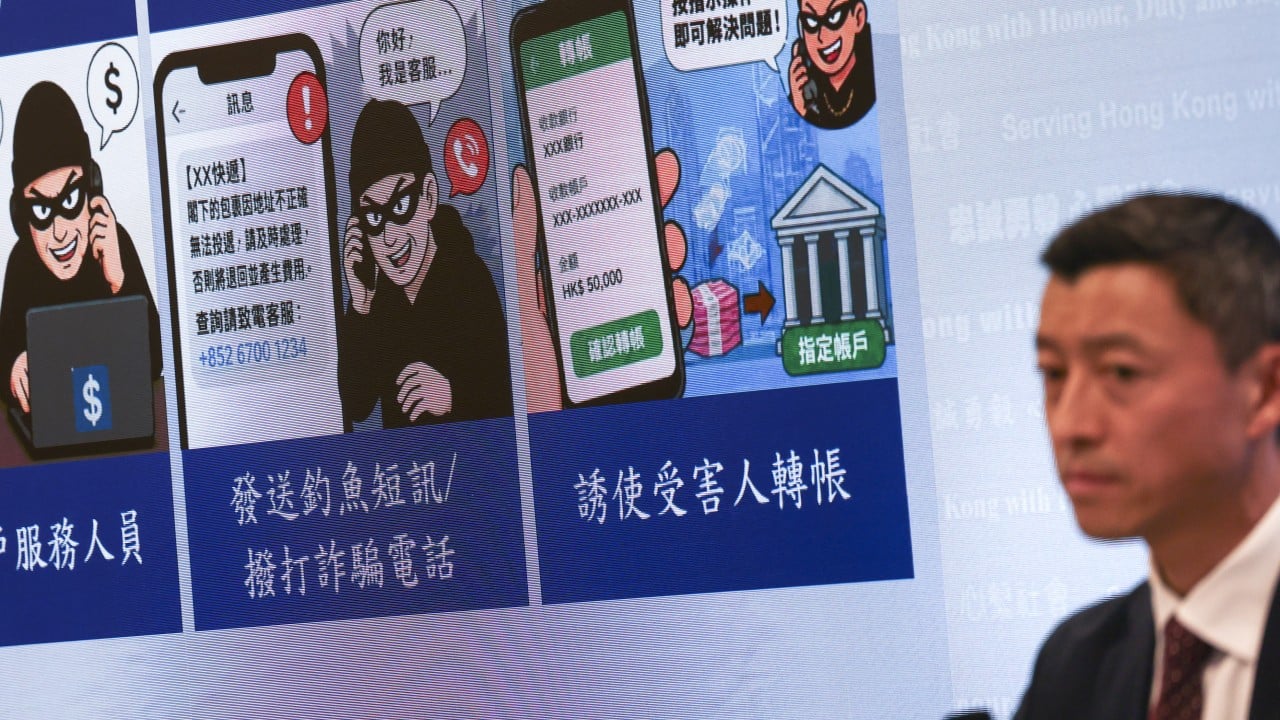
You pick up the phone, and a polished voice claims to be from a major logistics firm or e-platform. They tell you a package got damaged, or an account needs verification. Before you know it, you are handing over personal data, installing random apps, and watching your savings vanish.
Phone scam losses in Hong Kong surged by 56 percent, reaching a staggering HK$900 million. Impersonating corporate support teams has quickly become the primary weapon for organized fraud syndicates. Police data shows these specific fraud cases jumped by 45 percent to 4,830 incidents in just the first half of the year. For an alternative view, read: this related article.
How the Fake Customer Service Trap Works
The mechanics of these schemes rely heavily on psychological manipulation and social engineering. Fraudsters rarely start by asking for money. Instead, they offer help.
A typical cycle begins with an unexpected phone call or text message regarding a lost parcel, a billing error, or a cancelled subscription. Once they hook your attention, they quickly push you off traditional communication channels onto encrypted apps like WhatsApp. This isolation prevents banks or family members from interrupting the interaction. Similar insight regarding this has been provided by The New York Times.
From there, the technical execution gets creative. Recent police alerts highlighted extreme cases where victims were tricked into turning their own mobile phones into portable payment terminals. Scammers had victims install malicious Android application packages (APKs) and enable Near Field Communication (NFC). By holding a physical credit card against the back of the phone, the malware allowed criminals to execute unauthorized overseas transactions directly from the device.
Other variations involve fake video calls where victims are coaxed into live-streaming their online banking sessions, handing over credentials in real-time.
Why Traditional Warnings Fail
People think they are too smart to fall for tricks. That arrogance leaves them vulnerable. Scammers do not sound like bumbling amateurs anymore. They use polished scripts, spoofed caller IDs, and professional-looking web portals that mirror legitimate corporate domains.
When a fraudster claims you are due for a compensation payout, greed or relief kicks in. You want the money back, so you ignore the red flags. Major logistics providers like SF Express have stopped making unsolicited customer service phone calls or sending SMS notifications with links, yet people still trust random numbers because the caller sounds convincing.
Practical Steps to Protect Your Money
Defending yourself requires changing how you handle inbound communication. Real companies do not care if you hang up and call back through official channels. Fraudsters do.
- Never click links in text messages regarding parcels, refunds, or account freezes. Go directly to the official website or mobile application by typing the URL yourself.
- Refuse to download unknown apps or APK files sent via chat links. Official customer service teams will never ask you to sideload software onto your phone.
- Keep NFC and screen-sharing disabled unless you are actively using them for a trusted, local transaction.
- Verify through official apps. Platforms like Alipay and major couriers log official interactions internally. If a representative calls you outside the app, assume it is hostile.
Stop trusting inbound callers who create immediate urgency. Verify every claim independently before taking a single step.