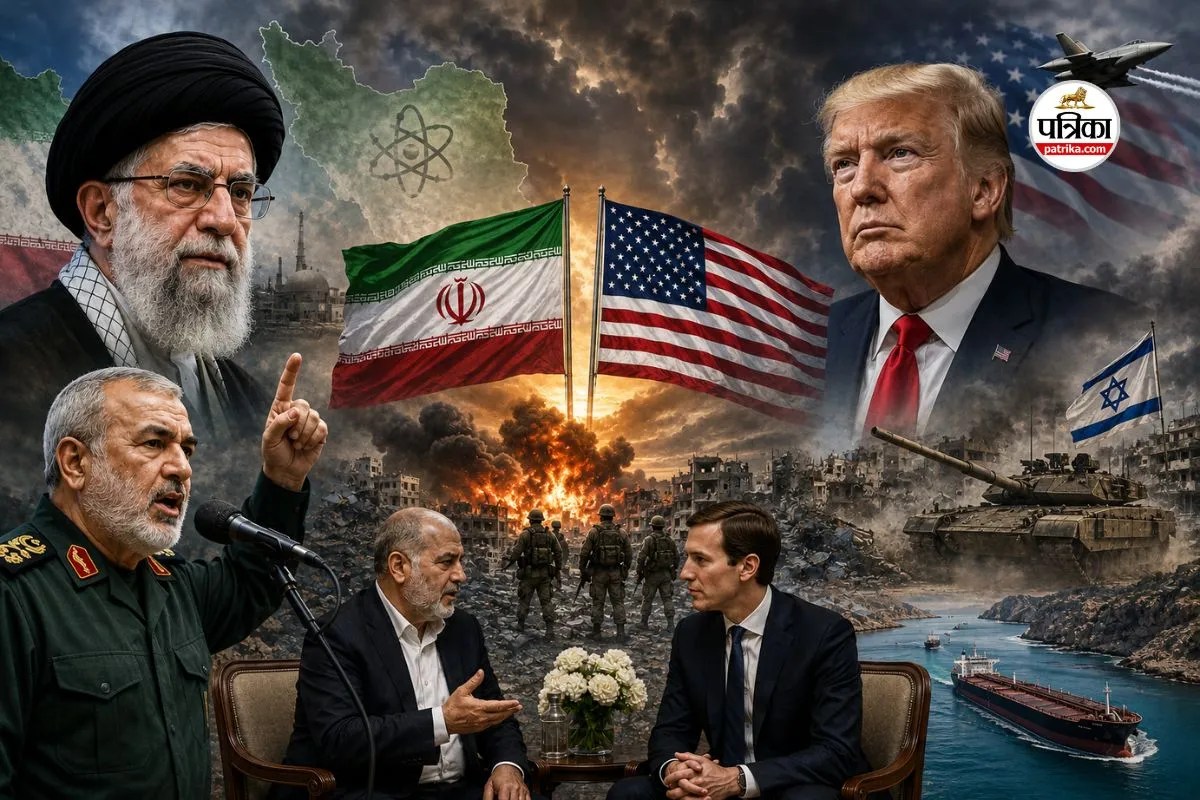
The sixty-day clock has officially run out, and the much-hyped interim accord between Washington and Tehran is dead in the water. When a tentative memorandum of understanding was signed in June, optimists claimed an end to months of brutal conflict was finally insight. Reality proved far more stubborn. Today, the United States and Iran find themselves even further apart than they were when the ink dried at Versailles.
If you're wondering why every diplomatic push hits a brick wall, look no further than the Strait of Hormuz. This narrow waterway carries roughly a fifth of the world's traded oil and gas, making it the ultimate geopolitical choke point. Washington expected the route to open completely and unconditionally. Tehran viewed the loose wording of the June pact as a green light to claim administrative control and potentially levy fees. That fundamental disagreement shattered the diplomatic framework within weeks.
The Battle Over the Strait of Hormuz
Control over maritime traffic defines the entire standoff. Following the June agreement, Iran quickly began targeting commercial vessels utilizing bypass routes near the coast of Oman, prompting immediate retaliatory strikes from the United States. Washington responded by reinstating severe port blockades and canceling oil export waivers, while Tehran retaliated through regional proxies targeting nations hosting American military assets.
Neither side is willing to blink. Giving in to Tehran's sweeping demands—which include lifting all American blockades, withdrawing U.S. forces, and paying war reparations—would look like an absolute defeat for the White House. On the flip side, Iran's rulers believe sustained economic pressure won't force them to surrender sovereign control over their maritime backyard.
Why Nuclear Talks Never Even Started
The grand vision behind the summer deal was a two-step dance: stop the active fighting, reopen shipping lanes, and then tackle the thorny nuclear dispute. Because step one completely unraveled, the heavy diplomatic lifting on nuclear safeguards never even commenced.
- The Core Impasse: Washington demands verifiable nuclear constraints before any permanent sanctions relief takes effect.
- The Iranian Stance: Tehran insists that the United States initiated the military aggression and therefore holds zero moral high ground to dictate terms.
- The Regional Fallout: Ongoing friction in Lebanon and across Gulf states keeps regional proxy networks primed for escalation at a moment's notice.
What Happens Next in the Region
With the deadline expired and mediation efforts by nations like Pakistan facing severe hurdles, the playbook shifts back to maximum economic coercion. U.S. officials are plotting unprecedented financial measures designed to cripple Iran's remaining crude exports. Meanwhile, everyday citizens across the globe bear the brunt of volatile energy markets as fuel prices react to ongoing security threats in the Persian Gulf.
Don't expect a sudden diplomatic breakthrough. Watch the actual tanker traffic data moving through regional checkpoints rather than diplomatic communiqués. When maritime movement resumes its normal volume without military escort interference, you'll know a real shift is happening. Until then, the stalemate remains the status quo.
Trump Iran deadline: US threatens massive strikes as Tehran rejects ceasefire deal
This video provides an in-depth look at the escalating ultimatums and strategic stakes surrounding the US-Iran deadline and maritime tensions in the Middle East.
http://googleusercontent.com/youtube_content/1

:max_bytes(150000):strip_icc()/lake-mead-173940030-5c25228846e0fb00014e8584.jpg)
