Desperation makes people do wild things to their bodies. When the scale refuses to budge, crash diets look like a lifeline. But dropping twenty kilograms in a matter of weeks through a water-only diet isn't discipline. It's a physiological disaster waiting to happen.
We need to talk about the 31-year-old Chinese woman who recently made headlines after losing twenty kilos through a brutal water-only routine. The result wasn't a sustainable transformation. It was a severe, irreversible blow to her physical mobility. She now faces lifelong walking issues. Her story highlights a dangerous cultural blind spot around rapid weight loss. In related updates, we also covered: Why Free Home Testing Kits For Cervical Cancer Change Everything.
People want quick fixes. Society rewards rapid physical changes with praise. Nobody asks about the hidden biological cost.
The Myth of Fast Results
Crash diets promise the impossible. Lose weight fast. Clear your system. Reset your metabolism. It sounds appealing. Your biology disagrees. Everyday Health has analyzed this critical subject in great detail.
When you cut out all food and consume only water, your body doesn't just burn stubborn fat. It panics. It enters a survival state. It targets your glycogen stores first, then rapidly devours muscle tissue alongside fat. Muscle loss isn't just about strength. It includes cardiac muscle, skeletal muscle, and the deep core stabilizers that keep your skeleton aligned and functional.
You aren't just shrinking. You are starving your structural integrity.
Why do people fall for this? Because the scale drops fast. That immediate gratification tricks the brain. You see lower numbers and assume health. That is a massive misconception. That drop is mostly water weight, glycogen depletion, and precious lean mass.
- Metabolic slowdown hits almost immediately.
- Electrolyte balances collapse without food intake.
- Vital organs lose structural support.
What Happens When You Starve Your Muscles
Muscles need fuel, amino acids, and micro-nutrients to function and repair. Deprive them entirely, and they degrade. When you drop weight as fast as twenty kilograms in a few weeks, your body strips muscle at an alarming rate.
Think about your joints. Your knees, hips, and spine rely on surrounding muscle mass to absorb impact and maintain posture. Strip that muscle away overnight, and your skeletal system takes the brunt of your body weight without any natural shock absorbers.
That is what happened in this high-profile case. The rapid weight drop destroyed the muscular framework supporting her lower limbs. Cartilage, ligaments, and tendons weakened. Once that damage hits a certain threshold, the body cannot simply rebuild it. You are left with chronic pain, joint instability, and permanent walking difficulties.
It is terrifying how fast permanent damage occurs.
Why Water Fasts Are Not Cleanses
Internet wellness culture loves to rebrand starvation as a cleanse. They call it detoxing or resting the gut. Doctors call it severe malnutrition.
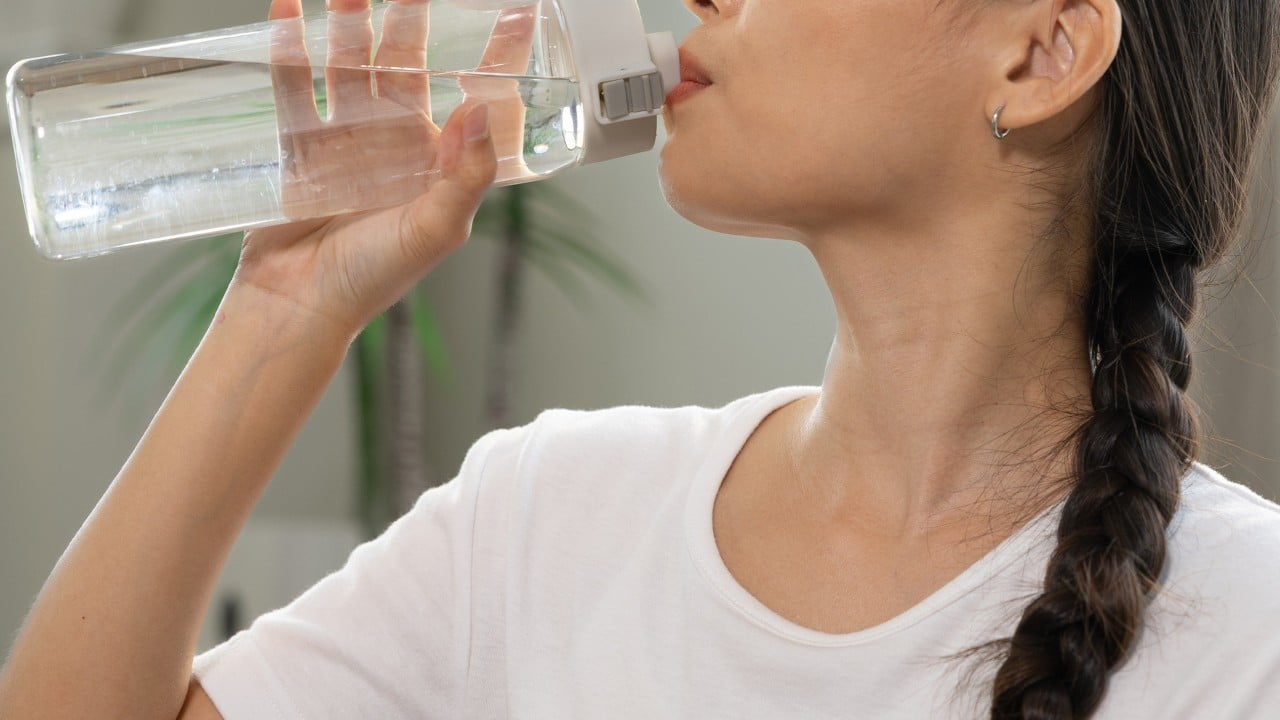
Water is essential. Food is also essential. Your kidneys and liver handle detoxification naturally. They do not need you to stop eating for weeks to do their jobs. When you consume only water, you starve your body of sodium, potassium, magnesium, and essential fatty acids.
Without potassium and sodium, your nerves misfire. Your heart rhythm fluctuates. Your muscles cramp, weaken, and eventually fail.
Starving yourself doesn't heal your body. It forces your body to consume itself from the inside out.
People often ask if short-term fasting is safe. Intermittent fasting with proper nutrition is entirely different from a weeks-long water-only starvation protocol. Conflating the two is dangerous. True health requires adequate protein, micronutrients, and balanced energy intake.
The Psychological Trap of Severe Restriction
Physical damage is only half the battle. Extreme diets rewire your relationship with food and your own body image.
When you subject yourself to extreme deprivation, psychological fallout is guaranteed. Food obsession sets in. Binge eating cycles follow. You feel immense guilt for eating anything at all. The mental burden matches the physical toll.
- Anxiety spikes around meal times.
- Social isolation grows because you cannot share meals.
- Body dysmorphia intensifies even after dramatic weight loss.
We need a cultural shift. Stop celebrating extreme weight loss transformations on social media without knowing the backstory. Many of those dramatic drops come from dangerous medical extremes or unsustainable crash protocols.
How to Lose Weight Without Destroying Your Future
Sustainable weight loss is boring. It lacks the dramatic narrative of dropping twenty kilos in a month. But boring works.
If you want to change your body composition, you have to play the long game. Crash dieting fails because it fights your biology. Sustainable habits work because they cooperate with your metabolism.
Here is what actually works:
- Prioritize protein: Keep your muscle mass intact while dropping fat.
- Create a modest caloric deficit: Aim for a sustainable drop of 300 to 500 calories daily, not a complete shutdown of food intake.
- Lift weights: Resistance training signals your body to keep muscle while burning fat.
- Move daily: Walking and everyday movement matter far more than punishing workouts.
Your body has to carry you through life for decades. Treat it like a partner, not an enemy to be punished into submission. One drastic shortcut can cost you your mobility forever. Eat real food, protect your muscles, and ignore the quick-fix noise.