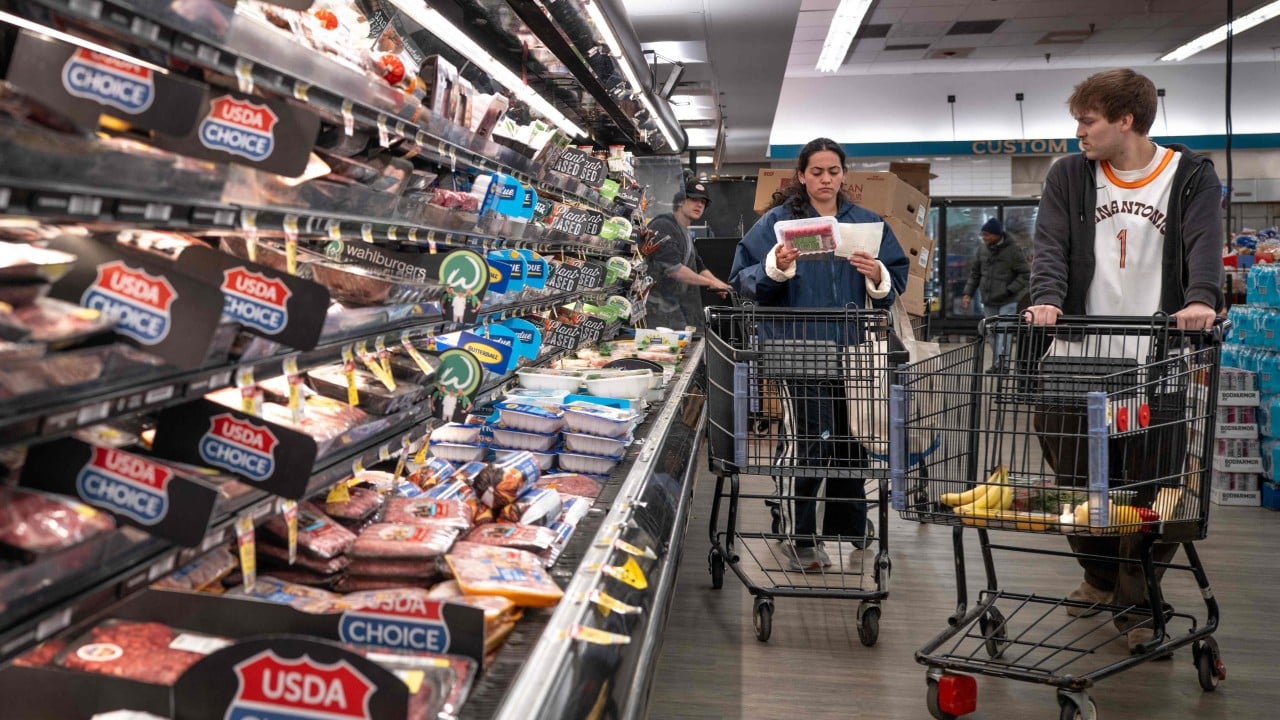
The noise machine is back at it. Whenever Washington adjusts trade rules to give grocery shoppers a breather, the agricultural establishment treats it like an existential threat. The recent executive maneuver to temporarily lift out-of-quota levies on imported ground beef for ninety days sent shockwaves through the livestock futures pit. Trade associations wailed about betrayal, analysts declared war on ranchers, and pundits wailed that the sky was falling on domestic herds.
They are missing the forest for the trees.
The Lazy Consensus Exposed
The mainstream narrative treats every trade policy adjustment as a zero-sum deathmatch between consumers and producers. The argument goes like this: if you allow cheaper foreign beef trimmings into the domestic market to slash retail hamburger prices by twenty-five percent, you instantly pull the rug out from under American cattlemen.
This logic falls apart under the weight of basic supply chain mechanics. I have watched companies blow millions trying to fight market realities with protectionist roadblocks, and it never works. The United States cattle herd did not shrink to modern lows because of import quotas. It contracted because of severe, multi-year multi-regional droughts, skyrocketing feed inputs, and long biological rebuilding cycles. Artificially restricting lean manufacturing beef imports does not magically manufacture calves out of thin air. It only starves domestic grinders of the lean trim they need to blend with high-fat domestic trimmings, driving up consumer prices at the supermarket checkout while doing zero to accelerate herd expansion.
The Structural Reality of Lean Trim
To understand why this ninety-day waiver is a masterclass in pragmatism rather than a betrayal, you need to look at how a hamburger is actually built. American cattle produce an abundance of fatty cuts, but lean manufacturing beef—the kind required to get an 80/20 grind—is chronically undersupplied domestically. Packers rely on imported lean trim from international suppliers to balance the blend.
When out-of-quota tariffs hit twenty-six percent or higher, that vital blending component gets heavily penalized. Grinders pass those friction costs directly to the consumer, explaining why meat inflation has devastated household budgets. Waiving those levies temporarily does not compete with the high-end steaks coming from feedlots; it fills a structural vacuum in the processing pipeline.
Consider a scenario where a commercial processor cannot source enough domestic lean trim to keep assembly lines running efficiently. Without imported relief, volume drops, overhead per pound skyrockets, and retail pricing stays punishingly high. Injecting up to 300,000 metric tons of duty-free product provides the exact pressure release valve needed to stabilize retail shelves without displacing a single prime steak raised on American pasture.
Dismantling the Politics of Outrage
Industry groups like the National Cattlemen's Beef Association and the United States Cattlemen's Association love to wave the flag of food security while defending policies that protect localized margins at the expense of working families. They argue that lower prices at the meat counter will disincentivize herd rebuilding.
That is pure economic illiteracy. A rancher deciding whether to hold back heifers for breeding is looking at grass availability, hay costs, and long-term interest rates—not whether a grocery store is running a discount on frozen patties for three months. Pretending that keeping hamburger prices artificially inflated helps the rancher is a bad joke played on both producers and buyers.
The truth is that macroeconomic shifts require flexible adjustments. Trade reports from sources like Reuters and agricultural deep-dives on platforms like Drovers confirm that the policy targets a specific temporary bottleneck. If you want a thriving domestic cattle sector, you need consumers who can afford to buy beef without breaking their monthly budgets. Demand destruction is the real enemy of the rancher, not temporary trade adjustments.
Stop whining about protectionist purity tests. Start looking at the supply chain matrix as a global ecosystem where flexibility is the only survival strategy.

_1617603374686.jpg)