The White House says a massive diplomatic breakthrough happened over the weekend, but the details are missing.
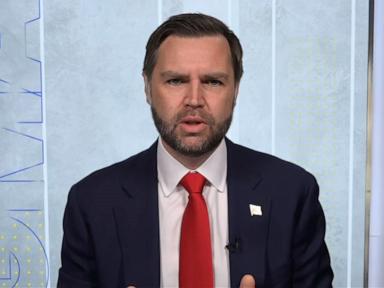
Vice President JD Vance shocked political observers on Monday by announcing that the United States and Iran have already signed a major memorandum of understanding. They didn't wait for the cameras or the formal Swiss summit scheduled for Friday. They used digital signatures.
While President Donald Trump boasts on social media about a completed peace deal that will instantly lower global oil prices, the reality on the ground is messy, highly transactional, and intentionally vague. If you look past the political theater, you see an incredibly fragile 60-day experiment that could fall apart before the digital ink even dries.
Let's look at what actually happened, what the administration is hiding, and why America's closest allies are furious.
The Performance Based Trap
Vance went on ABC's Good Morning America to defend the agreement against critics who claim Washington is writing a blank check to Tehran. Hardliners in Congress immediately raised alarms that billions of dollars in frozen assets were about to be handed over to the Iranian regime.
Vance pushed back hard. He stated that the US has already signed the deal digitally, but no money has been released. He insisted that status won't change.
According to the administration, this isn't the 2015 nuclear deal that Trump spent years tearing down. This is what Vance calls a performance-based framework.
- No upfront cash: Iran doesn't get a single dollar of American money or immediate access to its frozen foreign reserves.
- Action for relief: Verification must come first. If Tehran wants sanctions lifted, it must destroy its existing stockpiles of enriched uranium.
- Total access: International inspectors must be given total, unhindered access to verify that Iran isn't building a weapon.
It sounds great on television. If they perform, they get the cash. If they don't, they stay broke.
But there's a massive catch. The administration hasn't released the actual text of the agreement. Trump says the public will see it some time after the formal Friday ceremony in Switzerland. By keeping the specific metrics vague, the White House gives itself total political flexibility—and zero public accountability.
Reopening the Strait of Hormuz
The immediate motivation for this sudden digital signature isn't just long-term regional peace. It's about inflation, energy markets, and the global economy.
The three-month-old naval war between the US and Iran has battered global supply chains. A strict US naval blockade on Iran and continuous fighting had effectively choked off the world's most critical energy corridor.
Trump announced that the agreement means an immediate end to the naval blockade and the reopening of the Strait of Hormuz. The White House expects oil to flow immediately, which they predict will quickly drive down gas prices for consumers back home.
But senior military officials are quietly urging caution. The Strait of Hormuz isn't a light switch you can just flip back on. The waterway is currently littered with naval mines deployed during the recent months of intense fighting.
A senior US official confirmed that while the agreement technically went into effect via electronic signature on Sunday, operationalizing it will take time. Mine-clearing operations have to happen first. Commercial shipping companies have already stated they won't send massive oil tankers back into the strait until their own security teams evaluate the risk. The economic relief Trump is promising won't happen overnight.
Israel Considers the Agreement a Slap in the Face
The biggest threat to this digital pact doesn't come from Tehran. It comes from Jerusalem.
Part of the underlying framework of this 60-day ceasefire includes an end to cross-border fighting, which includes Israeli operations against Hezbollah targets inside Lebanon. Iran has fiercely insisted that Lebanon must be included in any security arrangement.
Israel is absolutely furious. National Security Minister Itamar Ben-Gvir took to social media to declare that the agreement doesn't bind Israel, reminding Washington that Israel is an independent, sovereign nation. Israeli officials are calling the order to halt strikes in Lebanon a resounding slap in the face from the Trump administration.
When pushed on whether Israel will actively sabotage the deal before the formal Swiss summit on Friday, Vance didn't deny the friction. He acknowledged that everything in the Middle East complicates diplomacy. He noted that even ceasefires are often a little bit dirty, moving from shooting a lot, to shooting a little, to eventually shooting not at all.
The administration is betting that Israel will ultimately fall in line once the broader benefits of the deal stabilize the region. That's a massive, dangerous gamble. If Israel continues its military campaign against Iranian proxies over the next 48 hours, the entire digital framework will collapse before Vance even boards his plane to Switzerland.
The 60 Day Countdown Begins Now
Don't confuse this memorandum of understanding with a permanent peace treaty. It's a temporary, high-stakes pause.
Iranian Foreign Minister Abbas Araghchi made it clear to lawmakers in Tehran that they are entering this process with absolute distrust based on past American actions. Iran views this purely as a short-term economic window to achieve breakthroughs for their crippled domestic economy.
A senior US official stated that technical discussions are starting immediately, but the US military posture in the region will remain completely unchanged. The warships and troops stay exactly where they are until a permanent, verifiable treaty is negotiated.
The next two to three weeks will tell the real story. If Iran doesn't immediately slow down its enrichment facilities and allow inspectors in, the US will maintain the economic squeeze. If shipping lines refuse to enter the Strait of Hormuz due to mine risks, the economic win Trump needs will vanish.
If you want to track whether this deal is actually working, ignore the political speeches coming out of Washington and Tehran this week. Watch these three indicators instead:
- Look for the deployment of specialized mine-sweeping vessels in the Strait of Hormuz. Commercial ships won't move until the water is completely clear.
- Monitor Israeli military activity in southern Lebanon. If strikes continue, the ceasefire is effectively dead.
- Watch for the International Atomic Energy Agency (IAEA) flight schedules. The moment inspectors get unrestricted access to Iranian facilities, you'll know Tehran is actually playing ball to get their hands on that $300 billion reconstruction fund.
The electronic signatures are locked in, but the real test starts now.