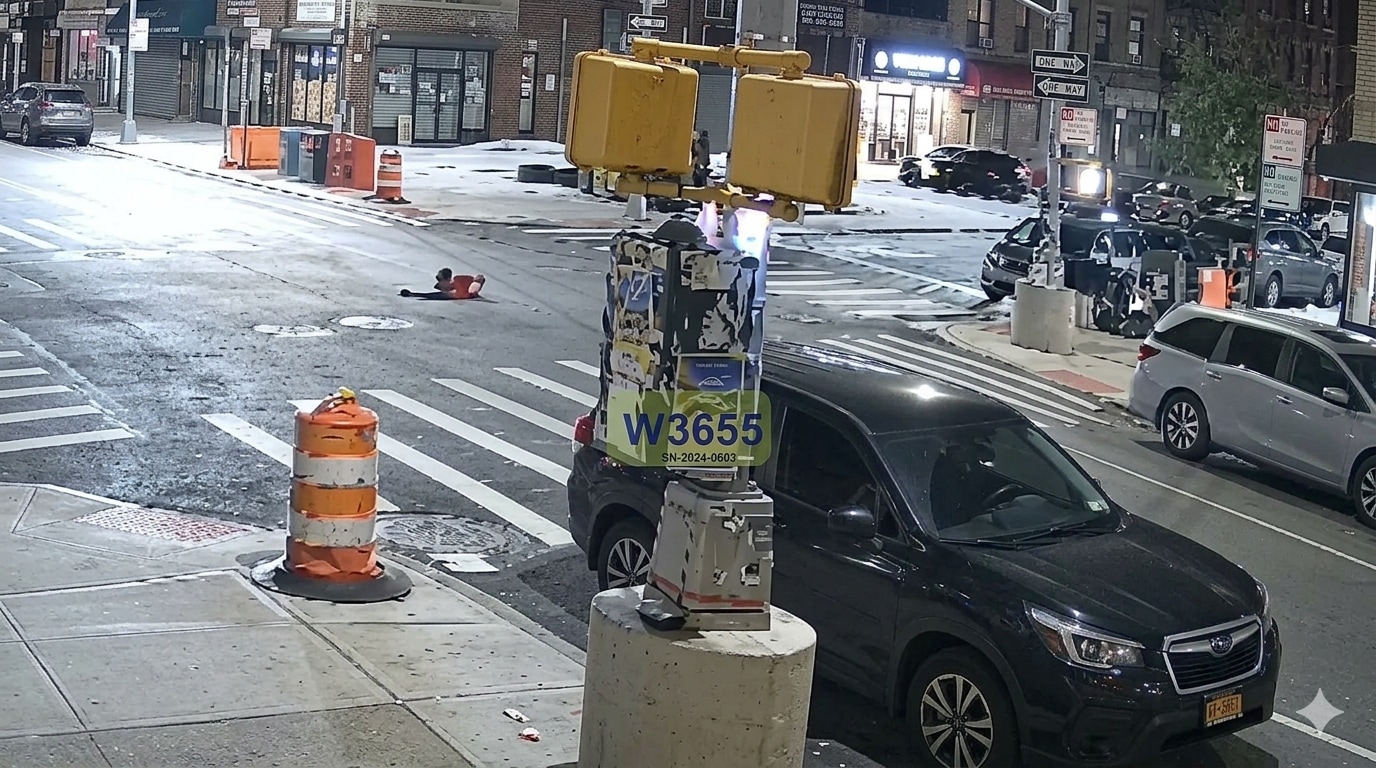
Imagine walking down a busy Manhattan sidewalk during rush hour. You hear the usual screech of brakes, the yell of a street vendor, and the heavy thump of footsteps. Then, right in front of you, a heavy iron grate lifts up. A man climbs out of the subterranean darkness, shakes off some dust, and calmly walks into the crowd.
It sounds like a scene from a gritty superhero flick. But it happened. In fact, it keeps happening.
New York City police are currently scrambling to figure out why a string of unauthorized people are emerging from the city’s complex underground network via street-level manholes. The media loves a spooky mystery. Tabloids are spinning wild yarns about mole people secret societies or underground crime syndicates.
They are missing the point entirely.
This isn't a supernatural mystery. It is a massive, flashing red light exposing a breakdown in municipal infrastructure security and a surging urban exploration subculture fueled by social media clout. If you think this is just a quirky New York anomaly, you don't understand how vulnerable our cities actually are.
The Reality of New York's Subterranean Breaches
Let's clear up the facts first. The New York City Police Department (NYPD) recently launched investigations into multiple separate incidents where men were filmed or spotted climbing out of manholes in broad daylight. One notable incident occurred in midtown Manhattan, where a man in casual clothing lifted a heavy iron cover from the inside, stepped onto the asphalt, and vanished into the tourist crowd.
This isn't an isolated prank. The Metropolitan Transportation Authority (MTA) and utility companies like Con Edison manage hundreds of thousands of manholes across the five boroughs. These portals lead to a sprawling labyrinth. We're talking active subway tunnels, abandoned transit stations, water mains, and high-voltage electrical conduits.
Why is this happening now? The answer lies at the intersection of aging infrastructure and digital dopamine loops.
For decades, the city's underbelly stayed hidden. It belonged to transit workers, utility crews, and a small, highly secretive community of traditional urban explorers. These old-school explorers abided by a strict code: take nothing but pictures, leave nothing but footprints, and never share access points.
That code is dead.
Today, TikTok and YouTube algorithms reward maximum shock value. A quick search on any major video platform yields hundreds of high-definition videos of teenagers and young adults dodging third rails, spray-painting century-old transit arches, and popping manhole covers from the inside for a dramatic exit frame.
The Shocking Lack of Underground Security
Most people assume that accessing a manhole requires specialized tools or brute strength. That's a myth. While a standard utility cover weighs anywhere from 100 to 150 pounds, a motivated adult can easily push one open from below if it isn't locked down.
And guess what? The vast majority of them aren't locked.
Securing a subterranean system as massive as New York's is an absolute nightmare. The city features over 600 miles of subway track alone. When you factor in the thousands of miles of water, sewer, and electrical tunnels, the scale becomes mind-boggling.
The structural vulnerabilities break down into three main categories.
Unmonitored Emergency Exits
Many street-level grates and manholes serve as emergency egress points for subway passengers. By law, these must allow people to escape from the inside out in case of a fire or train derailment. Adventurous trespassers know exactly which exits have broken alarms or weak latches. They enter through standard station portals, walk the dark tracks, and pop out of these emergency hatches onto the street.
Outdated Utility Access
Con Edison and various telecommunications firms own thousands of street access points. While some high-security zones use electronic locking mechanisms, thousands of peripheral covers rely on mechanical weight alone to keep people out.
Abandoned Infrastructure Network
New York is built on top of its own history. Right beneath the modern pavement sit abandoned trolley tunnels, forgotten water systems like the old Croton Aqueduct, and defunct subway platforms like the famous City Hall station. These dead zones often connect directly to active tunnels, creating a Swiss-cheese effect where an intruder can enter a quiet, abandoned basement and emerge hours later on an active train line.
Why This Urban Exploration Trend Is Deadly
It's easy to watch a slickly edited internet video and think this is victimless fun. It isn't. The people pulling these stunts are playing Russian roulette with municipal utilities.
The underground environment is intensely hostile. The most immediate danger isn't getting caught by the NYPD; it's the invisible killers lurking beneath the concrete.
- Atmospheric Hazards: Deep utility tunnels frequently trap toxic gases. Hydrogen sulfide, carbon monoxide, and methane can pool in low-lying areas. A person stepping into an unventilated vault can lose consciousness in seconds due to a lack of oxygen.
- High-Voltage Electrocution: The subway system relies on a 600-volt third rail to power trains. Con Ed distribution vaults contain cables carrying thousands of volts of electricity. Touching the wrong conduit in the dark leads to instant death or catastrophic burns.
- Flash Flooding: New York's storm drain system can fill completely within minutes during a heavy downpour. An explorer caught in a drainage pipe during a sudden summer thunderstorm stands almost zero chance of survival.
The systemic cost is also enormous. Every time a track walker or train operator spots an unauthorized person in a tunnel, the MTA has to cut power to the third rail. This triggers massive delays that ripple across entire transit lines, stranding hundreds of thousands of commuters because someone wanted to film a ten-second video for social media.
The Fixing of a Subterranean Security Crisis
The city can't just weld every manhole shut. Emergency services need fast access, and utility workers must perform routine maintenance daily. So how do you solve a security crisis when your entire city is built on top of a porous underground maze?
It requires a total shift from passive physical barriers to active digital monitoring.
Municipalities need to invest heavily in smart manhole technology. Companies now manufacture smart covers equipped with fiber-optic sensors, tilt switches, and electronic locking systems. These sensors detect the exact moment a cover is shifted even a fraction of an inch and instantly broadcast an alert to transit security or local police precincts.
At the same time, transit authorities must step up pressure on major social media platforms to geoblock or demonetize content that explicitly depicts illegal trespassing in active transit zones. If you take away the views, you take away the primary incentive for the vast majority of these modern trespassers.
If you happen to spot someone emerging from a manhole or lifting a street grate without high-visibility city gear or a marked utility truck nearby, don't just stand there and film it for your group chat. Call emergency services immediately. Give them the exact cross streets and a description of the individual. It might look like a harmless piece of performance art, but it's a major security breach that puts the entire city's infrastructure at risk.